Here's what nobody tells you about arousal after 40
Arousal doesn't stop. It shifts gears. For most people, that shift starts somewhere between 38 and 45, and it has nothing to do with desire or capacity. It's pure physiology. Estrogen and testosterone both decline gradually, and one of the first changes you'll notice is that your body takes longer to warm up. Where you used to get there in five minutes, now it's fifteen or twenty. Or longer.
This isn't a problem. It's information. And once you have it, you can actually use it to your advantage.
Why arousal timing changes
Blood flow to the clitoris is estrogen-dependent. When estrogen drops, that process slows down. Your vulva still becomes engorged, tissues still swell, lubrication still happens. It just takes time. At the same time, psychological arousal often needs more real estate too. You might need more mental foreplay, more context, fewer distractions competing for your attention.
This is where a lot of people get stuck. They assume the slowness means something is broken, so they try to speed it up. They skip warm-up. They jump straight to intense stimulation. And then nothing happens, which confirms their suspicion that something's wrong. In reality, they've just worked against their body's timeline instead of with it.
The fix is less complicated than you think.
The arousal reset: timing and temperature
First, give yourself permission to take 20 to 30 minutes instead of five. This isn't a penalty. This is honoring how your body actually works right now. It means building in actual foreplay, not as a ritual, but as a genuine extension of what turns you on.
Second, start with lower intensity. If you're used to jumping to setting five on a clitoral vibrator, start at two or three. The idea here isn't to be cautious. It's to let your body build sensation gradually, which actually intensifies the whole experience. When arousal builds slowly, the peak is often higher. This is textbook neuroscience. Your nervous system has time to register each layer of sensation before moving to the next.
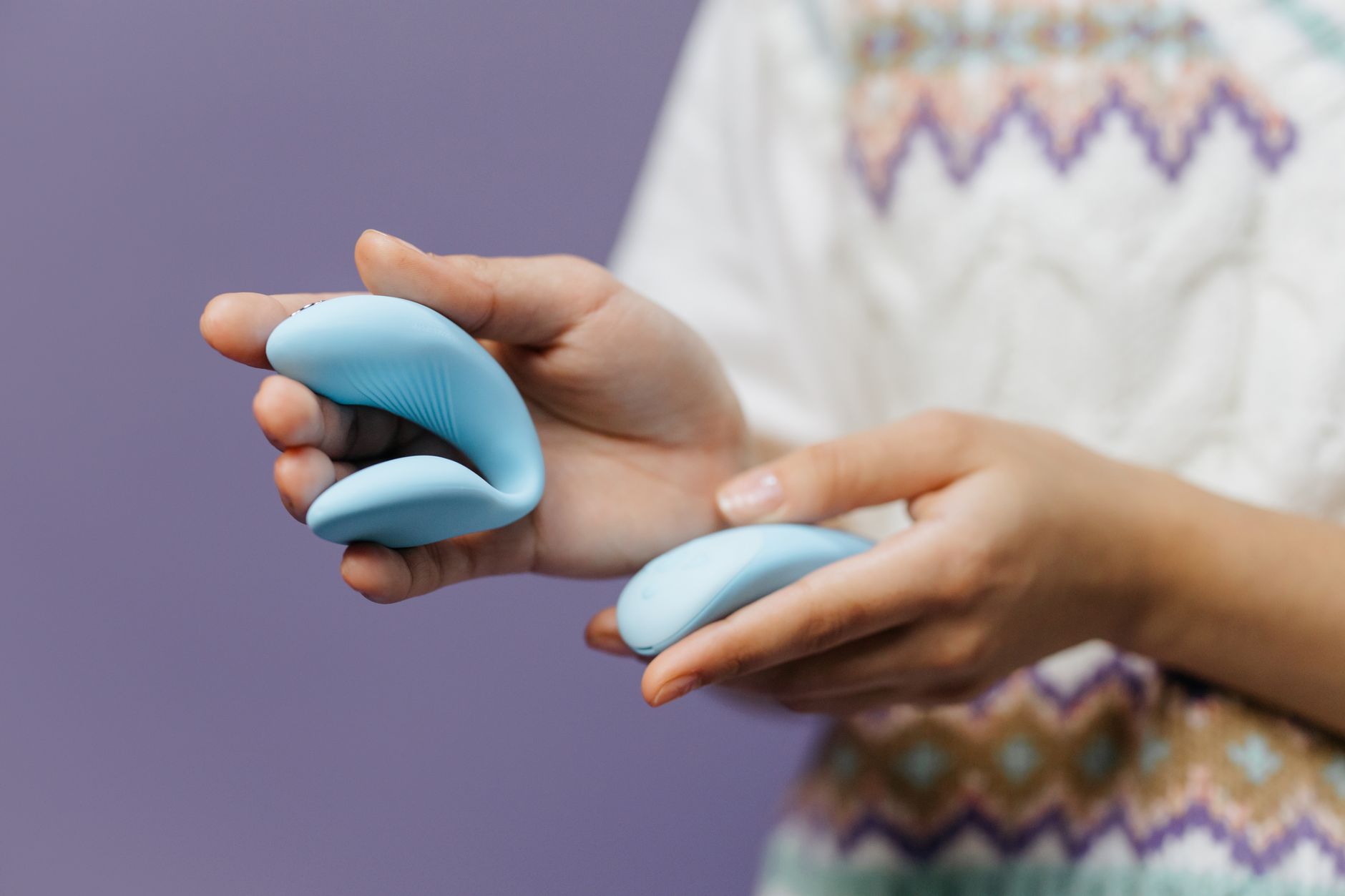
With a lemon vibrator like the Lem, which uses gentle suction rather than direct vibration, this works beautifully. You can start at a low setting and feel your arousal building in real time. Many people find that pattern one or two on the Lem, sustained for several minutes, does more for them than jumping straight to high intensity ever did.
The warmth factor
Here's something most sex advice misses entirely: your body temperature matters. As you age, blood vessel responsiveness changes. Warming up your body before sex helps increase blood flow where it matters. This could mean a bath beforehand, or even just 10 minutes of movement. Dance to music. Stretch. Walk around. Your clitoris will thank you.
Some people also find that external warmth helps. A heating pad on your lower belly or thighs for a few minutes before solo time can genuinely shift how quickly arousal builds. It sounds simple because it is. But it works.
Solo warm-up changes everything
If you're exploring with a partner, the conversation usually gets stuck on "we need more foreplay." Which is true, but it leaves the labor entirely on your partner. An alternative: spend 10 to 15 minutes alone first. Use your lemon clitoral vibrator on a low setting. Get yourself halfway there. Then invite your partner in.
This does several things at once. Your body's already warming up, so you get to the good part faster with them. Your nervous system is already engaged, which usually makes partnered touch feel more intense. And you've proven to yourself that you can still get aroused, which is psychologically enormous if you've been worried.
This matters because when desire feels complicated in long-term relationships, part of the problem is often that you're trying to have arousal happen on someone else's timeline. Taking ownership of your own warm-up separates that conversation entirely.
Lemon vibrators and the slow-burn advantage
Air-suction devices like lemon adult toys have a specific advantage here. They don't require the same level of clitoral engorgement that direct vibrators do. This means they work well even when you're in the earlier stages of arousal. You can start using the Lem when you're at 40 percent of the way there, rather than waiting until you're fully aroused. That actually speeds up the process because the stimulation itself helps bring the blood flow.
The suction also provides consistent, broad stimulation rather than sharp buzz, which many people find easier to feel when arousal is building slowly. You're not fighting against a vibration that feels too intense for tissues that haven't fully responded yet.
Mental load and the arousal clock
Physical changes aren't the whole story. Midlife often brings a mental load that younger years didn't. Caregiving responsibilities, work stress, partner dynamics that have shifted over decades, grief. Your brain has a harder time dropping into pleasure when there's 47 other things competing for real estate.
This is where you have to get ruthless about removing friction. That might mean: do not check your phone. Do not think about tomorrow. Do not wait for "the right moment." It has to be intentional. You're not waiting for arousal to happen to you. You're creating conditions where it can.
When caregiving stress kills your libido, the fix isn't more foreplay. It's removing the mental weight first. A few minutes of actual meditation, not guided meditation but just breathing in the dark, changes what's possible in the next 20 minutes.
The lube upgrade you haven't tried
At 40-plus, thinner tissue means lubrication matters more. Not because something's wrong with you, but because a water-based lube reduces friction and makes arousal feel less like work. Apply it before you start. Let it sit. Your body will do its own thing on top of it.
This is one of those things that feels small and is actually huge. A lot of people avoid lube because they think it means something's broken. No. It means you're working with your body's actual physiology, which is smarter than pretending that physiology doesn't exist.
When arousal still doesn't come
If you're doing all this and arousal is still nowhere, that's different information. It might be hormonal. It might be a medication side effect. It might be relationship stuff that can't be fixed with better technique. But here's the key: try the slow-burn approach for at least three weeks before assuming nothing's going to change. Arousal can be trained. Your body can learn that it's safe to respond again. This takes time, but it works.
Putting it together
So here's the actual playbook. Set aside 25 to 30 minutes. Warm your body first, movement or heat. Start with your lemon clitoral vibrator on a low setting. Use lube. Breathe. Let yourself feel each sensation fully before pushing for more intensity. If your partner is involved, consider going solo for the first 15 minutes. Then bring them in. Notice what changes when you stop rushing and start building.
Arousal after 40 isn't slower because you're broken. It's slower because blood flow works differently, tissues are more delicate, and your nervous system needs real estate to warm up. Work with those facts and you'll find that pleasure doesn't decline with age. It just gets different. Often better.
FAQ
How long should I budget for arousal when I'm over 40?
Most people find 20 to 30 minutes is realistic for arousal to build fully. This includes solo warm-up time and partnered touch. If you're used to five minutes, this feels shocking at first. But arousal that builds slowly tends to peak higher, so the extended timeline actually improves the experience overall.
Does using a lemon vibrator on a low setting for a long time actually work better than high intensity?
Yes. Sustained stimulation at lower intensity allows your nervous system to register each layer of sensation. For aging bodies especially, this creates more noticeable arousal than jumping to high intensity when tissue hasn't fully responded yet. Start low, stay there for several minutes, then increase if you want.
Can I use a lemon sucker if I still feel pretty numb down there?
Absolutely. Air-suction devices don't require the same level of engorgement that direct vibrators do. You can start using the Lem even when you're only halfway aroused, and the stimulation itself helps bring blood flow to the area. This actually speeds up arousal buildup for some people.
Is it normal for arousal to take longer if I'm on hormonal medication or antidepressants?
Yes. Both hormones and certain medications can affect blood flow and sensation. If you've recently changed medications or dosages, give your body at least three to four weeks to adapt before assuming something's permanently different. If it hasn't improved by then, it's worth talking to your doctor about alternatives or adjustments.
Should I try to speed up arousal or just accept it takes longer now?
Accept it, then work within that timeline. Trying to speed up arousal usually backfires. It increases pressure on yourself and your partner, which actually slows things down further. When you stop fighting the timeline and start building into it deliberately, arousal often surprises you by feeling more intense than it used to.
Does lubrication mean something's wrong with me at 40-plus?
No. It means your body's actual physiology has changed, and you're smart enough to work with it instead of pretending it hasn't. Thinner tissue after 40 is completely normal. Water-based lube reduces friction and makes arousal feel less effortful. Using it is a feature, not a sign of failure.
The real story about arousal and time
Arousal doesn't end after 40. It transforms. Your body's timeline shifts, your mind's needs change, and the whole experience often becomes richer because you're no longer chasing someone else's pace. A lemon clitoral vibrator like the Lem works beautifully in this new timeline because it lets you build arousal gradually, without forcing intensity before your body's ready. When you stop treating slowness as a problem and start using it as design, everything shifts. Your pleasure is still there. It's just asking for more room to arrive.