Let's talk about the invisible part of caregiving
You're cooking dinner, answering emails, driving to appointments, managing medications, listening to your partner vent, handling insurance forms. By the time you're alone, your nervous system is screaming. The last thing that sounds appealing is sex. Even solo pleasure feels like another obligation on an already-full plate.
This isn't laziness. This isn't a dead relationship or a broken body. This is what chronic stress does to desire. And if you're in the middle of caregiving for a parent, a sick partner, or both, you're living this reality right now.
Here's the thing: you don't need an hour-long spa day to reconnect with pleasure. You need a tool that meets you where you actually are. That's where lemon vibrators, specifically the kind designed for quick, efficient clitoral stimulation, become genuinely useful. Not as a fix for a broken marriage or a solution to deeper exhaustion, but as a practical way to access your own nervous system when everything else is pulling you under.
Why caregiving stress tanks desire in the first place
When you're in chronic caregiver mode, your body stays in low-level fight-or-flight. Your cortisol is elevated. Your parasympathetic nervous system, the one responsible for rest and arousal, barely gets a chance to activate. Desire requires feeling safe enough to be vulnerable. Caregiving doesn't feel safe. It feels like you're one crisis away from disaster.
Then there's the mental load. You can't get turned on if half your brain is tracking your parent's medication schedule or worrying about whether your partner's symptoms are getting worse. Even if you want to feel desire, it doesn't come. You might experience:
Complete lack of libido for weeks or months at a time. Orgasms that feel distant or muted when you do try. Touch feeling irritating instead of pleasurable because you're already touched out. A sense of disconnection from your body, which has become primarily a tool for caregiving rather than a source of pleasure.
Add to this the guilt. You feel selfish for wanting pleasure when someone you love is struggling. But denying yourself that outlet doesn't help them. It just leaves you more depleted.
Why lemon vibrators work for exhausted caregivers
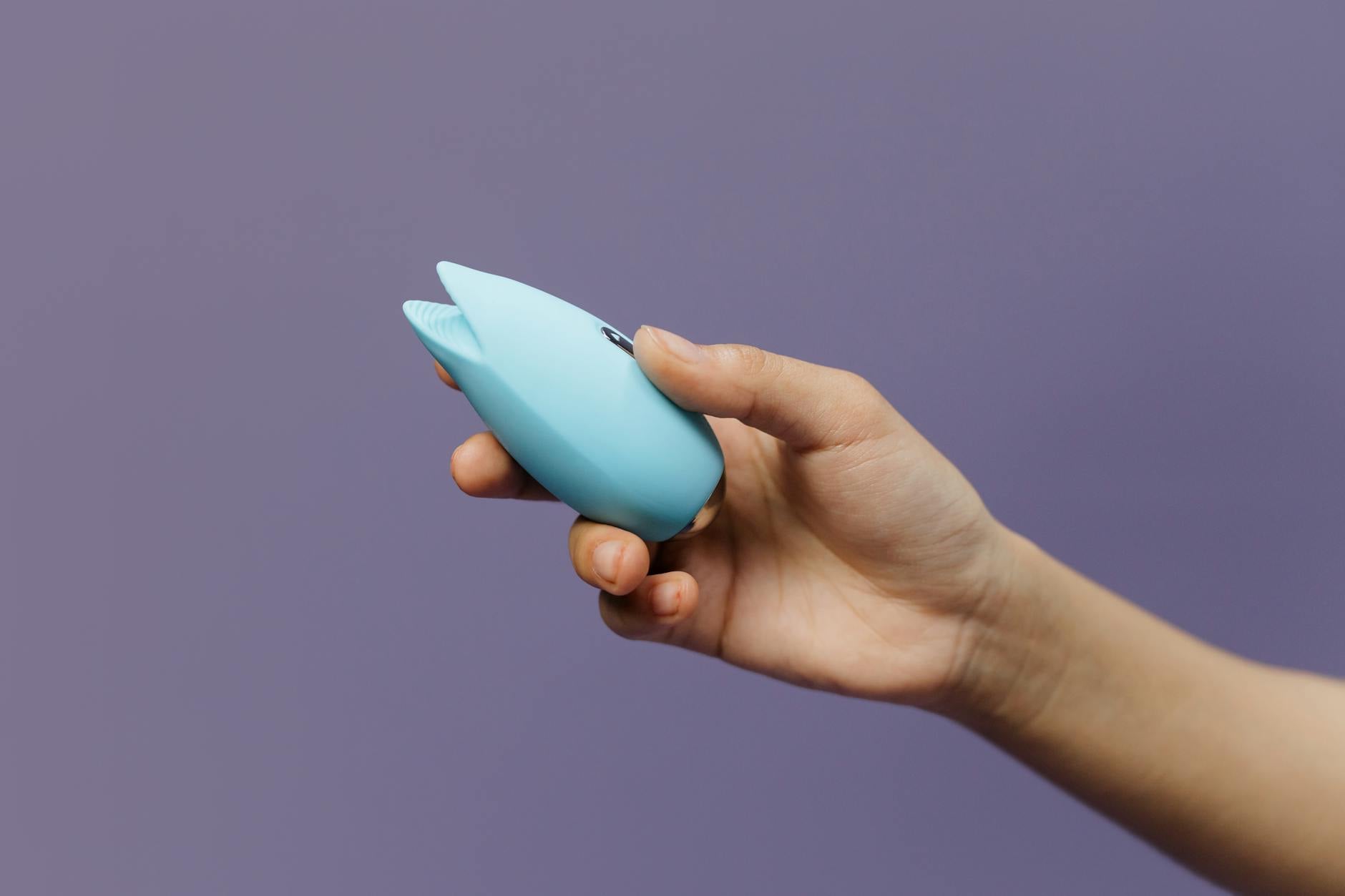
Speed matters when your energy is finite. A lemon clitoral vibrator like the Lem uses suction and gentle vibration to create arousal and orgasm without requiring sustained intensity or lengthy warm-up time. You're not waiting 20 minutes to feel something. You're getting results in 5 to 10 minutes if your nervous system cooperates.
That efficiency is radical when you're exhausted. You can take 10 minutes of your own time without it feeling like you're shirking your responsibilities.
Secondly, lemon sexual toys work through suction and pattern variation rather than demanding a specific type of stimulation from you. You don't have to figure out what your body needs. The toy does some of that work. This matters when your brain is too full to focus on sensation.
Third, the physical relief is real. Orgasm releases oxytocin and floods your system with opioids. For a brief window, your nervous system steps out of crisis mode. You get a break from the constant background hum of worry. That break isn't selfish. It's maintenance.
The timing question: when to actually use a lemon vibrator
Here's the honest challenge: you probably don't have extended pockets of free time. So the goal isn't finding the perfect moment. It's finding any moment.
Early morning, before everyone else wakes up, is often the sweet spot. Ten minutes with your lemon clitoral vibrator while your coffee brews gives you a physical reset before the day's demands hit. Your nervous system is slightly calmer. You've reminded yourself that you still exist as a person with pleasure, not just a function.
If that doesn't work, late evening after everyone's asleep is the fallback, even if you're tired. Tired is actually okay for this. You're not looking for performance. You're looking for release. A lemon vibrator gives you both with minimal effort.
Some caregivers find that using a clitoral vibrator on busy weekends works because they don't have to go to work, which frees up maybe 15 minutes. Others do it once a week rather than trying for daily. The frequency that matters is whatever you can actually sustain without it becoming another source of guilt or pressure.
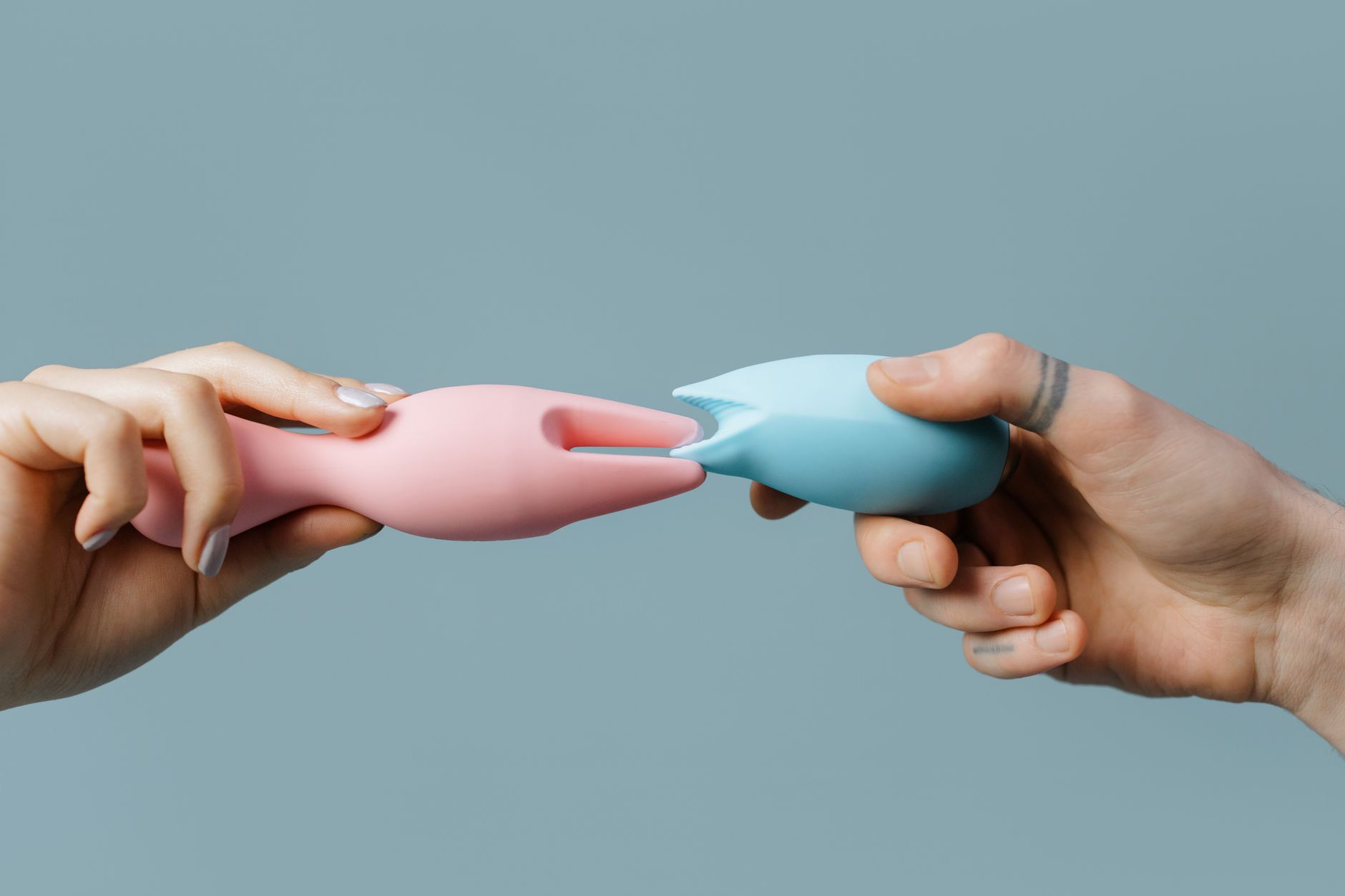
Photo by cottonbro studio on Pexels
How to actually use a lemon sucker when you're burnt out
Forget complex techniques. You're not trying to be a sexual gymnast.
Start with the lower intensity settings. Your body probably needs gentleness right now, not intensity. The Lem and similar lemon adult toys typically have 3 to 5 pattern options. Start at pattern one and stay there until something shifts. You might find that the lowest setting is all you need.
Set a time limit. Knowing you have 10 minutes removes the pressure to perform and gives your brain permission to relax into it. Use a timer if that helps.
Don't require yourself to have an orgasm. I know that sounds backwards, but caregivers often turn even self-pleasure into a task that has to be completed. If an orgasm happens, great. If you just feel some warmth and release, that's also a win. The point is interrupting the stress response, not achieving a specific outcome.
If your brain is too full to focus, use the toy while listening to a podcast, audiobook, or music. Your conscious mind can be occupied while your body does the actual work.
Keep the toy near your bed. Friction matters. If it's easy to access, you're more likely to actually use it when you have a spare moment.
What to do if caregiving guilt shows up
It probably will. You'll start to feel good, and then a thought will surface: "I should be doing laundry" or "What if they need me right now" or "This feels selfish."
That thought is normal. It doesn't mean you should stop.
Your nervous system needs this. Taking care of yourself isn't abandoning the person you're caring for. It's making sure you don't completely burn out, which would actually make you less available to them. A 10-minute break for pleasure is not taking away from anyone. It's keeping you in the game.
If the guilt is overwhelming, consider talking to a therapist who specializes in caregiver burnout. Sometimes the guilt points to a deeper imbalance in how responsibilities are being shared, or how boundaries are being set. But that conversation is separate from the fact that your body deserves pleasure and release.
When caregiving stress is really about relationship stress
Here's a complication worth naming: sometimes the desire loss isn't just about the caregiving itself. Sometimes it's about resentment with your partner, or grief about what illness has taken from your relationship, or the simple exhaustion of being the default caregiver while they're resting.
In those cases, a lemon vibrator isn't a relationship fix. It's a personal release valve. And that's okay. You can need physical relief while also needing to have a harder conversation with your partner about how responsibilities are being shared, or how the illness is affecting your intimacy.
Actually, sometimes taking care of yourself sexually is what gives you the energy and emotional clarity to have that conversation. You're not running on empty anymore. You have a slight buffer.
The solo pleasure question
If you're partnered, you might be wondering whether using a lemon sexual toy counts as cheating or is a betrayal of your relationship. It's not. Solo pleasure is fundamentally different from partnered sex. It's not replacing them. It's filling a well that's been drained by caregiving.
If your partner feels threatened, that's worth exploring. But their insecurity doesn't get to cost you your own nervous system regulation. You can be compassionate and also hold the boundary that your body is yours.
Practical setup for exhausted caregivers
You need almost nothing, but what you do need should be frictionless.
Choose a lemon clitoral vibrator that's quiet, charges quickly, and is easy to clean. The Lem is specifically designed for this. It's intuitive, quiet enough that others won't hear it if you're in a shared space, and charges in about an hour. Keep it charged and accessible. Not hidden away where you have to excavate it. On a nightstand or in a drawer near your bed is perfect. This removes the friction of searching for it when you have limited time.
Water-based lubricant helps, especially if stress has reduced natural lubrication. Keep a small bottle nearby. Nothing fancy. Any water-based lube works.
Give yourself permission to keep it simple. You're not building an elaborate ritual. You're taking 10 minutes to remind your body it still exists as a source of pleasure, not just a function.
What changes when you prioritize this
You won't suddenly have more energy. You won't be a caregiver without stress. But something shifts. Your nervous system gets small moments of relief. You remember that pleasure is still available to you. That you still matter as a person with needs.
Over time, small acts of self-care compound. They're not the solution to caregiving burnout. But they're part of it. And when your life is at capacity, you take the tools that actually fit.
FAQ: Caregiving Stress and Pleasure
What if I feel too guilty to use a vibrator when someone I love is suffering?
Guilt is a natural emotion in caregiving, but it shouldn't cost you your health. Taking 10 minutes for self-care is not abandonment. It's maintenance. Your nervous system needs rest and release to keep showing up for the person you care for. Denying yourself pleasure doesn't help them. It just leaves you more depleted. A short break for pleasure is actually an investment in being a more present, patient caregiver.
Can I use a lemon vibrator if I'm too tired to feel aroused?
Absolutely. Arousal doesn't have to come first. The vibrator can help create it. Start on the lowest setting and give yourself permission to not have an orgasm. Sometimes you're just looking for physical sensation and the neurochemical release that comes with it, not a full arousal arc. Tired bodies can still feel pleasure, especially with a tool designed for efficiency.
Is using a lemon clitoral vibrator while caregiving cheating if I'm in a relationship?
No. Solo pleasure is separate from partnered sex. You're not replacing your partner or betraying the relationship. You're tending to your own body and nervous system, which is your right. If your partner feels threatened, that's worth a conversation, but their discomfort doesn't get to override your bodily autonomy.
How often should I use a lemon sexual toy when I'm burnt out?
There's no prescription. Some caregivers find that once a week makes a difference. Others need more frequent access. Listen to your body. If you have time and it feels good, use it. Don't turn it into another obligation. The goal is relief, not performance, so whatever frequency you can sustain without guilt is the right frequency.
What if my partner wants to use the vibrator together?
That's a separate conversation and a different experience. Using it solo is about your nervous system. Using it with a partner is about shared pleasure and connection. Both are valid. You get to choose which you need on any given day. A tool designed for solo pleasure can be incorporated into partnered sex, but that's an addition, not a replacement.
Can caregiving stress permanently damage my ability to feel pleasure?
No. Stress suppresses desire and arousal, but it doesn't destroy them. Once the stressor changes, even slightly, or once you start creating small pockets of relief, desire often returns. It might feel different than it did before caregiving, but it's not gone. Tools like lemon vibrators and practices like prioritizing rest can help that return happen sooner.
You still deserve this
Caregiving is a generous thing. It's also depleting. You can honor both realities at the same time. Taking 10 minutes for your own pleasure isn't selfish. It's the kind of boundary that keeps you whole. If you need support navigating the harder relationship questions that come up around caregiving, reaching out to someone trained in these dynamics can help. You don't have to figure this all out alone. Get in touch with a therapist or counselor who specializes in caregiver support if you want to talk through the bigger picture alongside taking care of yourself physically.