The honest part about long-term desire
Let's be real. Ten years in, fifteen years in, desire doesn't disappear because you've stopped loving someone. It disappears because predictability rewires your nervous system. Your brain has mapped every response. Touch becomes functional instead of electric. And somewhere between the mortgage, the kids, the careers, the small resentments, and the 4 a.m. wake-ups, pleasure starts feeling like one more thing on a list instead of a reason to show up.
That's not a failing. That's neurology.
But here's what I've learned working with couples for decades. Desire doesn't have to stay flat. It can be rebuilt. And sometimes the simplest tool for rebuilding it is something that redirects pleasure back to the body in a way that bypasses the exhaustion, the scripts, and the weight of history.
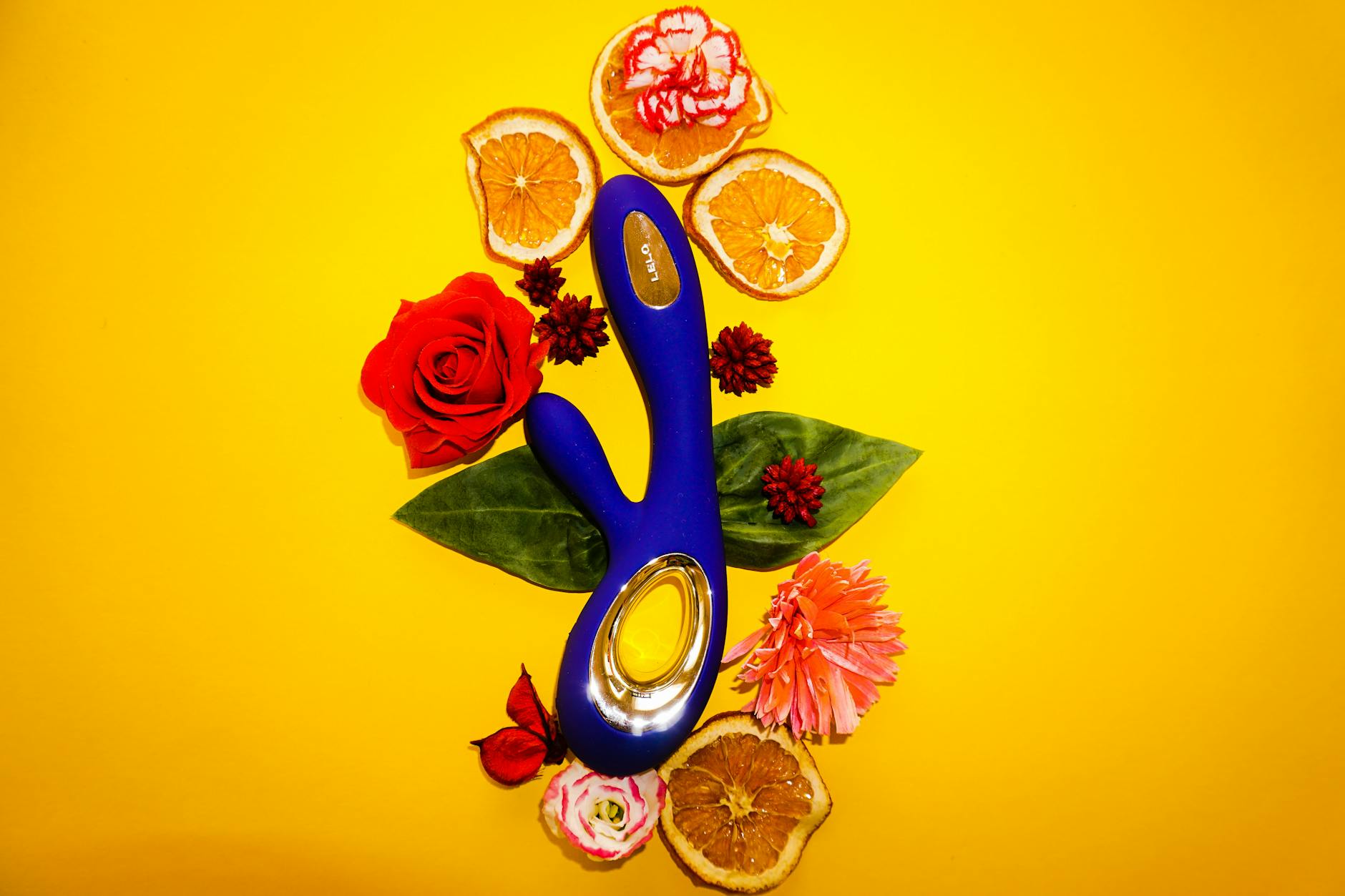
Lemon clitoral vibrators like the Lem do that work quietly and effectively. But only if you understand what you're actually trying to fix.
Why desire gets complicated in long-term partnerships
Three things happen simultaneously in long relationships:
Your body adapts. After years of the same touch, the same patterns, the same rhythm, your nervous system stops registering it as novel. You need more intensity or a completely different sensation to get the same response. This isn't boredom. It's habituation, and it's completely normal.
Your emotional scaffolding shifts. Early on, desire is fueled by uncertainty, novelty, and the fear that the other person might leave. Once you're secure, that fuel burns out. And unless you've built something new to replace it, you're left with companionship but no spark.
Your context changes. When you have kids, aging parents, career pressure, financial stress, or health changes, sex gets added to a mental load that's already maxed out. Desire requires bandwidth. When there's no bandwidth, pleasure feels like a luxury you can't afford.
Most couples think the answer is "spend more time together" or "try new positions." Both help. But what actually works fastest is redirecting attention back to solo pleasure and relearning what turns your body on without the weight of the relationship script attached.
That's where lemon vibrators come in.
How lemon sexual toys reset your arousal baseline
A lemon sucker or clitoral vibrator works differently than a partner's hand. The sensation is more focused, more intense, and entirely within your control. When you use a lemon vibrator solo, you're not performing. You're not managing someone else's arousal or waiting for their rhythm. You're reconnecting with what your own body actually wants.
This matters because after years of partnered sex, many people have lost track of that distinction. They've become so attuned to a partner's needs or pace that they've stopped knowing what solo pleasure feels like.
Start with a low-intensity lemon clitoral vibrator on the lowest setting. Spend 10 to 15 minutes exploring. Not to reach orgasm, but to notice. What pressure feels good? What rhythm? What do you prefer that your partner doesn't naturally give? Write it down if you need to. This is recalibrating data about your own body.
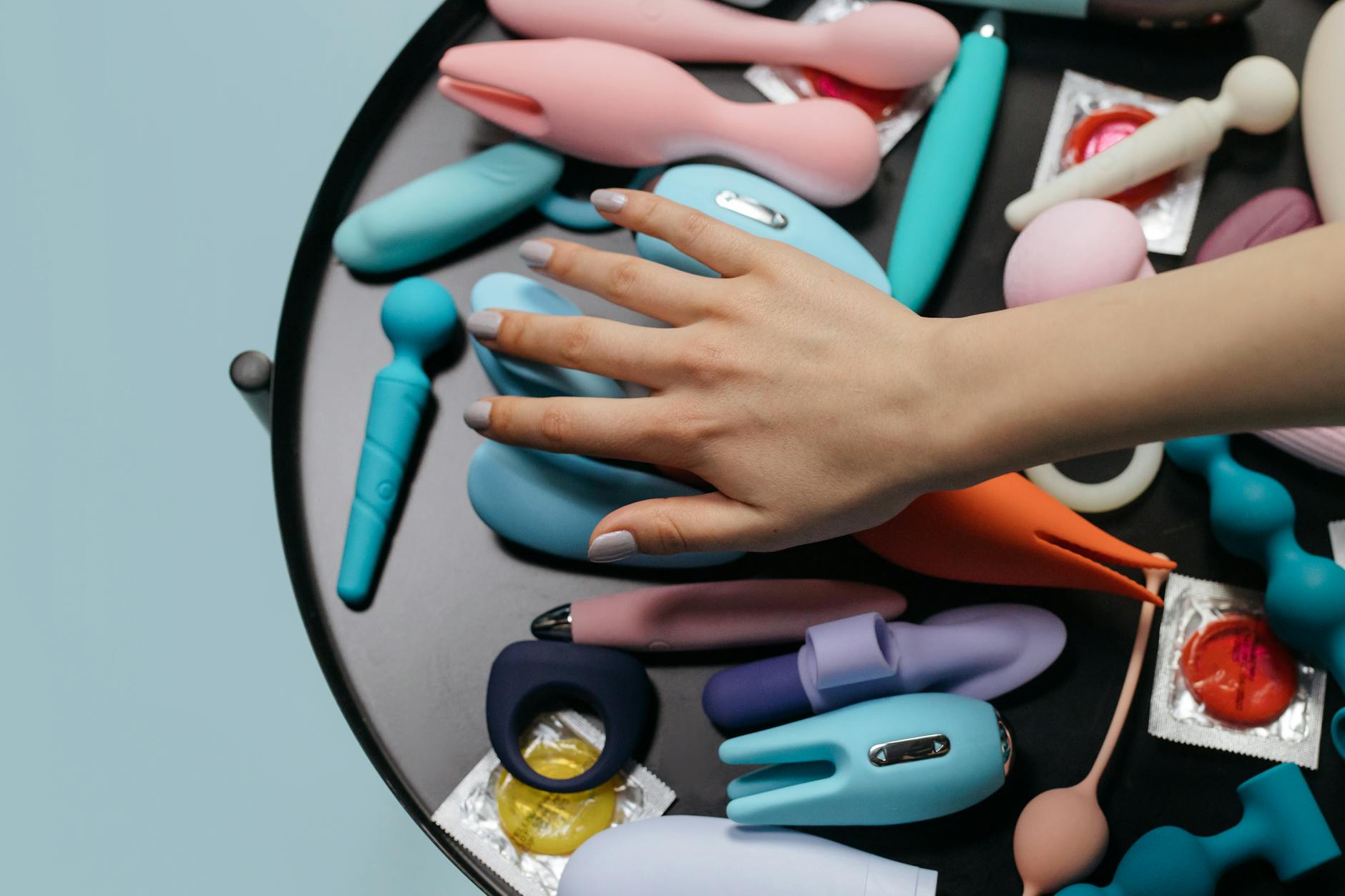
Photo by cottonbro studio on Pexels
Then bring that knowledge into partnered time. Not as a criticism. As an offering. "I've been exploring what feels good to me, and I found that I like the sensation when..." This shifts the conversation from "you're not turning me on" to "here's what's possible."
Using a lem vibrator when emotional distance is the real problem
Here's the part therapists don't always say: sometimes lack of desire is actually an emotional boundary. If you're angry, resentful, or scared of your partner, your body won't respond no matter how good the vibrator is. And that's important information.
Before you add lemon adult toys to the mix, check in with yourself. Is the desire missing because of habituation, or is it missing because something real is broken between you?
If it's something real, that needs addressing first. A vibrator can't fix contempt, repeated betrayals, or a partner who refuses to listen. What it can do is give you back access to pleasure while you work on the relationship stuff, which takes longer.
How to Use Lemon Vibrators When Communication Breaks Down With Your Partner covers this in depth. But the short version: pleasure and emotional repair aren't the same thing. You can have both going at the same time, but don't confuse one for the other.
If the desire is gone but the goodwill is still there, a lemon vibrator is genuinely useful.
The timing question most couples get wrong
Don't try to use a lemon clitoral vibrator to fix desire during partnered sex. That's backward. That's asking the vibrator to repair something that starts with novelty and vulnerability, and a toy can't do that.
Instead, use it solo. Build your own pleasure baseline back up. Let your nervous system remember what intensity feels like. Rediscover what your body wants.
Then, once you've recalibrated, bring it into partnered sex as an addition, not a replacement. Maybe your partner watches. Maybe they help control it. Maybe you use it on yourself while they touch you somewhere else. The key is that you're adding something new to the script, which is exactly what your brain needs.
Timing matters too. Use a lem vibrator when you have mental space. Not when you're exhausted. Not when there's resentment sitting on the table. Not when you're running on fumes. Pleasure requires presence. If you're not present, the vibrator won't help.
What changes when you rebuild desire this way
After 6 to 8 weeks of using lemon vibrators solo and then bringing them into partnered time, something shifts. Your partner sees you reconnecting with pleasure. They feel less responsible for being the sole source of your arousal, which takes pressure off them. And you feel less resentful because you've remembered that pleasure is something you can access and create.
Desire doesn't come roaring back like it did at the beginning. That would be unrealistic. But it becomes available again. It becomes something you can build on purpose instead of something you wait for.
How to Use Lemon Vibrators for Better Orgasms Across Different Relationship Stages digs into how this changes over decades together. The arc isn't down. It's just different.
The partner conversation you actually need to have
Many people use lemon sexual toys secretly because they're afraid of what a partner will think. They worry it means the relationship is failing, or they're rejecting their partner, or something is wrong.
None of that is true.
A lemon vibrator is a tool for solo pleasure and for bringing new sensations into shared time. It's not a referendum on your partner's attractiveness or ability. It's not cheating. It's not saying "you're not enough."
But here's the thing: your partner probably needs to know. Not as a confession or a defensive explanation. Just as information. "I've been using a vibrator on my own. It's helped me reconnect with what my body enjoys. I'd like to experiment with it together sometimes."
How they react tells you something important about whether they see pleasure as collaborative or competitive. Most partners who love you will be relieved. Someone else's pleasure takes pressure off them. Someone else's agency is sexy.
Some partners will feel threatened. That's worth exploring separately, probably with help.
When to use clitoral vibrators in partnered sex
Once you've rebuilt solo pleasure, you have options. You can use a lem vibrator while your partner is inside you. You can use it while they're touching you elsewhere. You can take turns controlling it. You can build it into foreplay before anything else happens.
The shape that works depends entirely on what you both enjoy. But the principle is the same: adding novelty and sensation back into a script that's become predictable.
Start with lower intensity. The combination of sensations takes some adjustment. What feels good changes when there's more going on.
People also ask
Will using a lemon vibrator make my partner feel inadequate?
Not if you frame it right. Most partners feel relief. They're no longer solely responsible for your pleasure. That's actually a huge relief for someone who loves you. What makes partners feel inadequate is if you use the vibrator secretly and they find out, or if you frame it as "you don't do this for me." Keep it collaborative. Make it an addition, not a replacement.
How often should I use a lemon clitoral vibrator when desire is low?
Solo use, maybe 3 to 4 times a week, for 15 to 20 minutes. Not with the goal of orgasm, but with the goal of reconnection. You're remapping your own pleasure. That takes repetition and presence. In partnered sex, maybe once a week to start, then more if it becomes part of your rhythm.
Can a lem vibrator actually rebuild desire in a marriage that's emotionally distant?
No. A vibrator can rebuild physical pleasure. But if the emotional distance is deep, you need relationship work alongside it. A lemon vibrator helps with habituation and sensation. It doesn't fix betrayal, ongoing conflict, or disconnection. Use it while you're also addressing the real stuff, not instead of it.
What if my partner wants to use the vibrator but I'm not interested?
That's completely fine. Your pleasure doesn't have to look like your partner's. They can explore what they enjoy on their own. That's also part of rebuilding desire. When both people in a long-term relationship have separate, active pleasure lives, the shared time tends to feel fresher.
Is it normal for desire to come back slowly?
Completely normal. You've spent years in one neural groove. It takes time to widen it. Most couples notice a real shift in 8 to 12 weeks of consistent practice. But slow doesn't mean nothing's happening. Small increases in desire are the real thing. Don't wait for the fireworks.
Should we talk to a therapist about this?
If the emotional stuff is tangled up with the desire issue, absolutely yes. If it's just habituation, a lemon vibrator and intentional time together can work. But if there's resentment, avoidance, or old hurt sitting underneath, therapy will make the vibrator work better. You're not avoiding one or the other. You're doing both.
What happens next
Desire in long-term relationships isn't something that stays static. It either atrophies or it evolves. Using lemon clitoral vibrators is one part of evolution. The other part is actually showing up, creating novelty, and treating pleasure as something worth protecting.
A lemon vibrator like the Lem won't save a relationship that's fundamentally broken. But it will absolutely help rebuild sensation and arousal in a partnership that's solid but flat. And that matters. Pleasure matters. Your body matters. Your desire matters.
If you're stuck on how to start the conversation with your partner, or if you need to untangle the emotional stuff underneath the desire issue, reach out. That's what I'm here for.