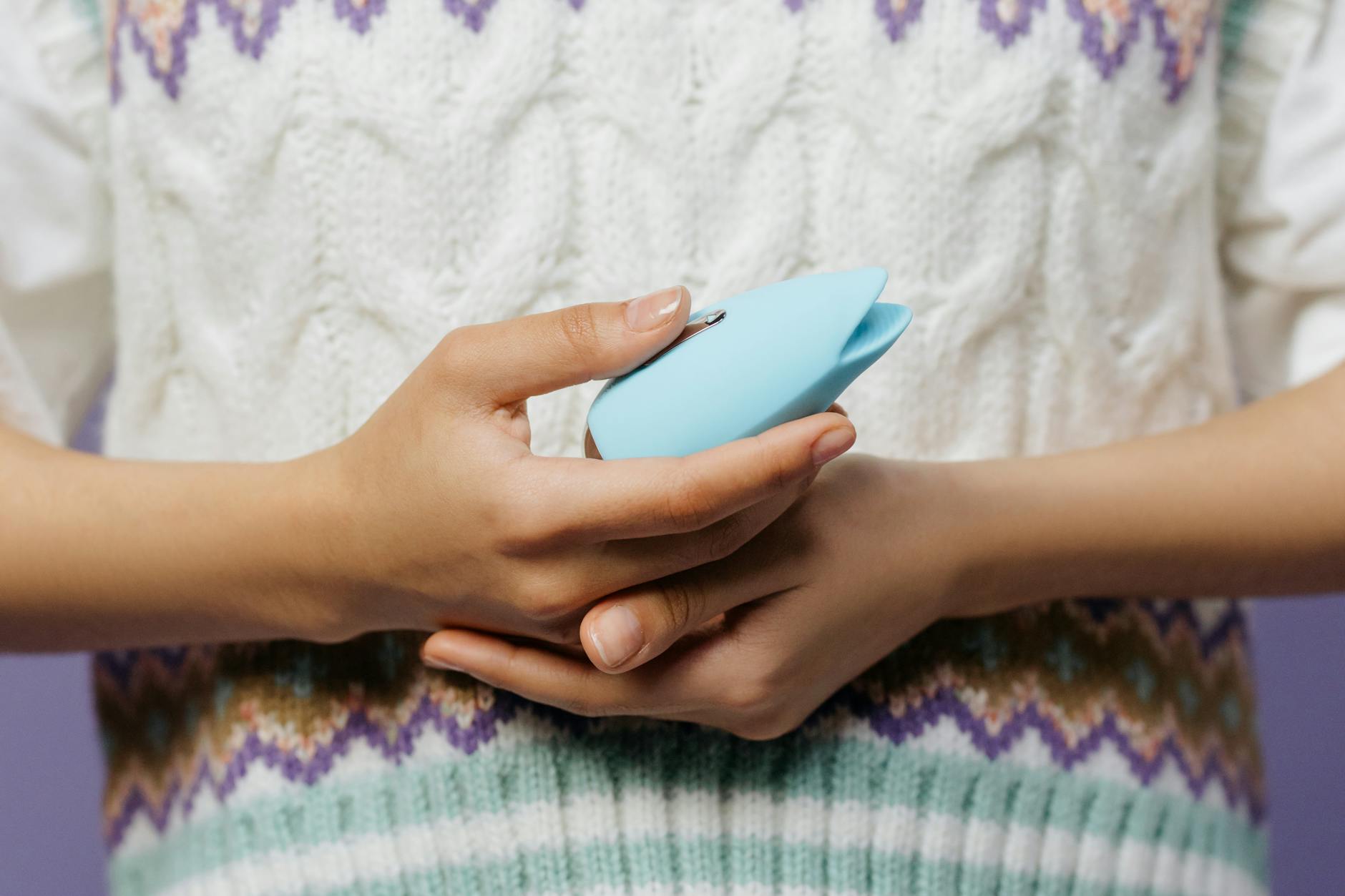
When grief turns off everything
Your body goes first. Grief doesn't just live in your chest or your thoughts.it hijacks your nervous system, pulling resources away from anything that feels like pleasure or sensation. Your skin feels numb. Food tastes like nothing. Sex or solo pleasure might feel impossible.not because you don't want it, but because the signal from your brain to your body got cut off somewhere in the loss.
Here's what actually happens: grief triggers a protective shutdown. Your parasympathetic nervous system.the one that powers arousal, desire, and sensation.goes quiet so your body can focus on survival mode. This isn't weakness. It's not depression (though it can travel alongside it). It's your nervous system doing its job, which is to protect you when everything feels unsafe.
But here's what no one tells you: that numbness doesn't have to be permanent. And pleasure, when it comes back, often feels different.softer, less goal-oriented, more about sensation than performance.
Why grief blocks sensation differently than other numbing
When you're grieving, the issue isn't mechanical. Your clitoris doesn't stop working. Your nerve endings don't disappear. What changes is the neural pathway from sensation to pleasure.the part of your brain that says "yes, this feels good" goes offline.
This is different from numbness after medication, where a specific neural pathway is chemically dulled. Grief numbs at a deeper level.it tells your whole system that feeling good isn't safe right now, that pleasure might be disrespectful to the person you lost, or that you don't deserve it.
That belief matters. I've worked with clients months into grief who described pleasure as almost guilty.not physically impossible, but psychologically blocked. A lemon clitoral vibrator can't fix the grief itself, but it can help your nervous system understand that sensation and pleasure are still available to you when you're ready.
The case for lemon vibrators specifically during grief recovery
Lemon vibrators like the Lem work differently than traditional vibrators. The suction mechanism doesn't rely on intense, direct friction. It creates gentle, rhythmic pressure that mimics something closer to oral stimulation. For someone whose nervous system is in protective shutdown, that matters.
Why? Because aggressive stimulation can feel threatening when you're grieving. Your body is already hypervigilant. Adding intense sensation can feel like violation rather than pleasure. Suction-based stimulation is gentler. It can be started at lower intensities. It feels more like massage than assault.
The Lem specifically offers multiple intensity levels, which means you can meet your body where it actually is on any given day.not where you think it should be. On days when everything feels flat, you might use pattern 1 or 2 for five minutes, not as a goal but as a data point.your body saying "okay, I can still feel that."
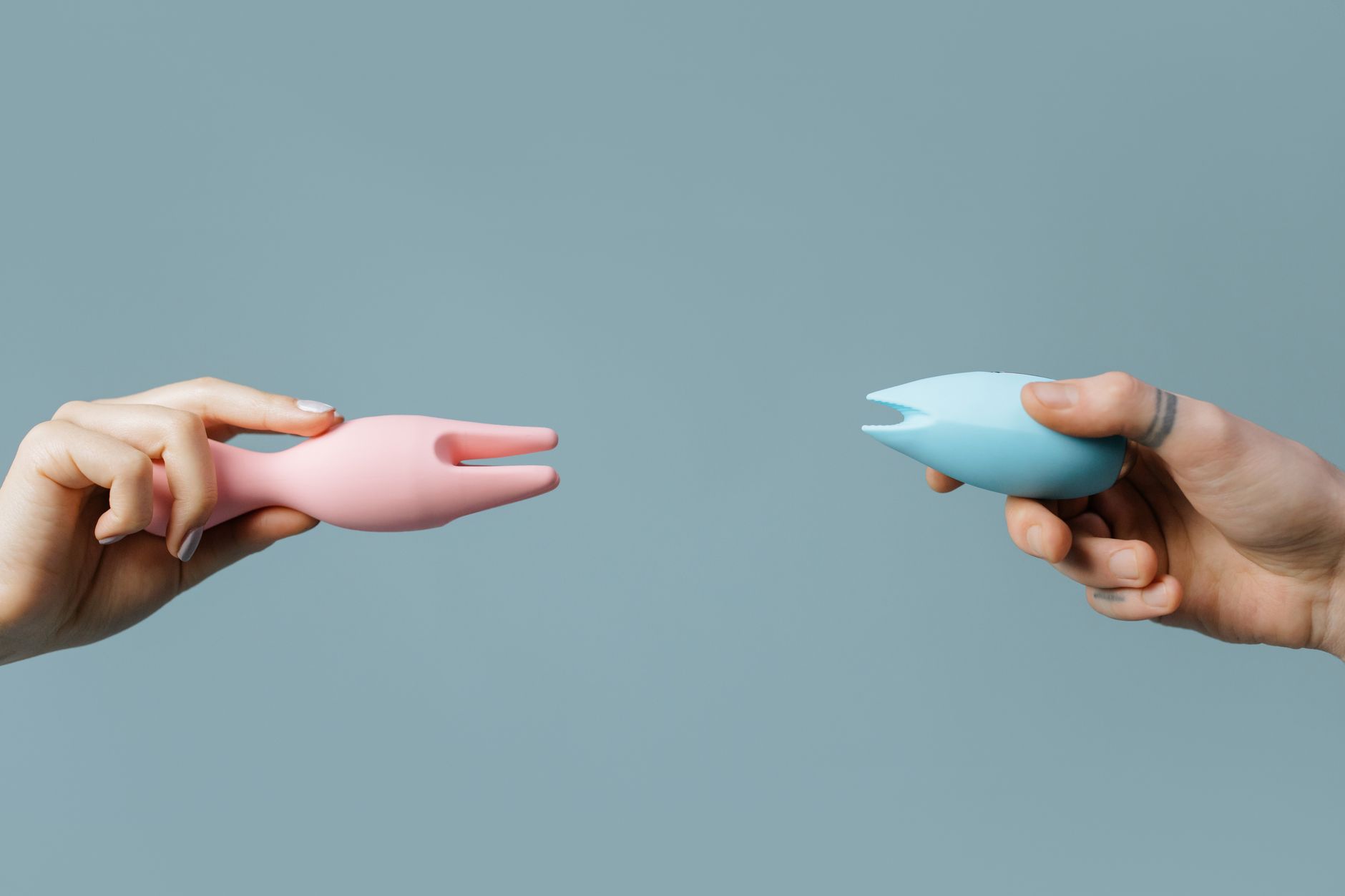
Photo by cottonbro studio on Pexels
How to actually start when everything feels hollow
First, don't aim for an orgasm. That's the most important thing I can tell you. The goal isn't pleasure in the traditional sense.it's reconnection with sensation. Orgasm might come. It might not. Either way is fine.
Set aside maybe fifteen minutes when you have genuine privacy and aren't rushing toward sleep or another task. Grief makes time feel weird.either it moves too fast or doesn't move at all. Don't fight that. Just pick a time that feels low-pressure.
Start clothed. Seriously. Hold your Lem fully clothed against the outside of your underwear or pajama pants for a minute. You're not trying to feel anything huge. You're just teaching your nervous system "this is a safe object. It's here. It exists."
Then move skin-to-skin if that feels okay. Slow intensities first.usually intensities 1 through 3 on the Lem. Spend two or three minutes at each level before moving up. You're not rushing. This is about time, not temperature.
If nothing happens, that's the win. You did the thing. Your body registered sensation. That's the only goal right now.
What happens emotionally when sensation starts returning
This part catches people off guard. When your body starts reconnecting with pleasure again, sometimes grief comes up. You might feel relief, then suddenly feel guilty for feeling relief. You might cry. You might feel angry that you can feel good when the person you lost can't.
All of that is normal. Pleasure returning after loss can feel like you're betraying the person or "moving on too fast."
You're not. Pleasure returning is your nervous system healing. It's not a statement about how much you loved someone or how much their loss matters. It's your body saying "I can survive this. I can still be okay."
If you have a partner, this is a good moment to tell them what's happening.not for permission, but for context. "I'm working on feeling something again. Sometimes that feels complicated." That conversation prevents shame from creeping back in.
When to reach out for actual support
A lemon vibrator is a tool for reconnecting with your body. It's not therapy. If your grief is keeping you in bed most days, if you feel actively suicidal, or if you can't engage with pleasure at all after three or four months, please talk to a grief counselor or therapist.
Grief has a timeline, but not a race. There's no "moving on" in the timeline sense.there's just integration. You learn to carry the loss differently. A tool like a Lem can help you feel alive again during that process, but it can't replace actual support.
If numbness is paired with depression, medication might help unlock sensation in a way vibrators can't. That's worth discussing with your doctor alongside a therapist.
The long view
Many people tell me their pleasure feels different after loss.deeper, less performative, more honestly theirs. The numbness eventually lifts. Not because you tried hard enough or used the right vibrator, but because time and intention and your nervous system slowly understanding "I'm safe again."
A lemon clitoral vibrator can be part of that journey.a gentle, pressure-based way to rebuild the pathway from sensation to pleasure when grief has shut everything down. You're not trying to erase what happened. You're just slowly telling your body it's okay to feel good again.
That matters. You matter. And your pleasure, when it's ready to come back, deserves to come home gently.
People also ask
Is it normal to feel nothing when using a lemon vibrator after experiencing grief?
Completely normal. Grief can genuinely numb sensation for weeks or months. Your nervous system isn't being stubborn.it's protecting you. If you're feeling nothing after a few sessions, that's information, not failure. Try using your Lem at the lowest intensity while thinking about something neutral.not trying to get aroused, just tracking whether you can sense the vibration at all. Sometimes that's the first step.sensation without the pressure of pleasure.
Can using a lemon sucker actually help rebuild pleasure pathways after loss?
Yes, with the right approach. The key is that suction-based stimulation like the Lem is gentler than traditional vibration. It doesn't assault a grieving nervous system. Regular, low-intensity use over weeks can help your brain remember that sensation and pleasure are available. But it works best alongside other support.therapy, time, sometimes medication. The vibrator isn't the whole solution.it's part of permission.
Should I tell my partner I'm using a lemon vibrator to process grief?
If you have a partner and you're grieving together, yes, usually it helps. Not because they need to participate, but because isolation makes grief heavier. A simple "I'm trying to feel things again. I'm using a vibrator to help my body remember sensation" removes the shame component. If you're grieving alone or your partner is part of the loss, that's different. You don't owe anyone access to your process. You owe yourself honesty.
What if I feel guilty using a lemon clitoral vibrator after loss?
Grief often tells us that pleasure is disrespectful, that feeling good means we didn't love the person enough or we're forgetting them. That's a lie grief tells. Using a lemon vibrator, having pleasure, moving through your day.none of that means the loss doesn't matter. It means you're healing. If guilt is strong, that's worth exploring with a therapist. Sometimes grief is mixed with depression or trauma, and guilt can be a symptom of that.
How long before sensation feels normal again after grief?
There's no timeline. Some people feel reconnection with sensation within weeks. Others take months. It depends on the depth of the loss, your support system, whether you're in therapy, and your overall resilience. Using a lemon vibrator consistently can speed up the process, but "normal" is also going to feel different than it did before. Grief changes you. Pleasure after grief tends to be less about performance and more about genuine sensation. That shift isn't bad. It's just different.
Can I use a lemon vibrator if I'm also taking grief medication or antidepressants?
Yes. In fact, if your doctor prescribed medication to help with grief or depression, that might actually help sensation return. Some antidepressants do numb sensation, but others don't. If medication is blocking feeling, talk to your doctor.there are alternatives. Using a Lem alongside medication is fine. They're not competing. The vibrator is about nervous system reconnection. The medication is about chemical balance. Both can work together.
Finding your way back
Lemon vibrators are tools for sensing, not for performing. When grief has numbed you, reconnecting with pleasure after major life changes often means starting gentle. Starting small. Starting with no expectations.
Your body remembers how to feel good. It just needs time, permission, and maybe something as simple as the gentle suction of a lemon clitoral vibrator to help the signal travel again.
If you're navigating this alone and need support, reach out to Heilonancy. We're here to help you find tools that work for your body and your healing journey. Contact us to talk about what might help right now.