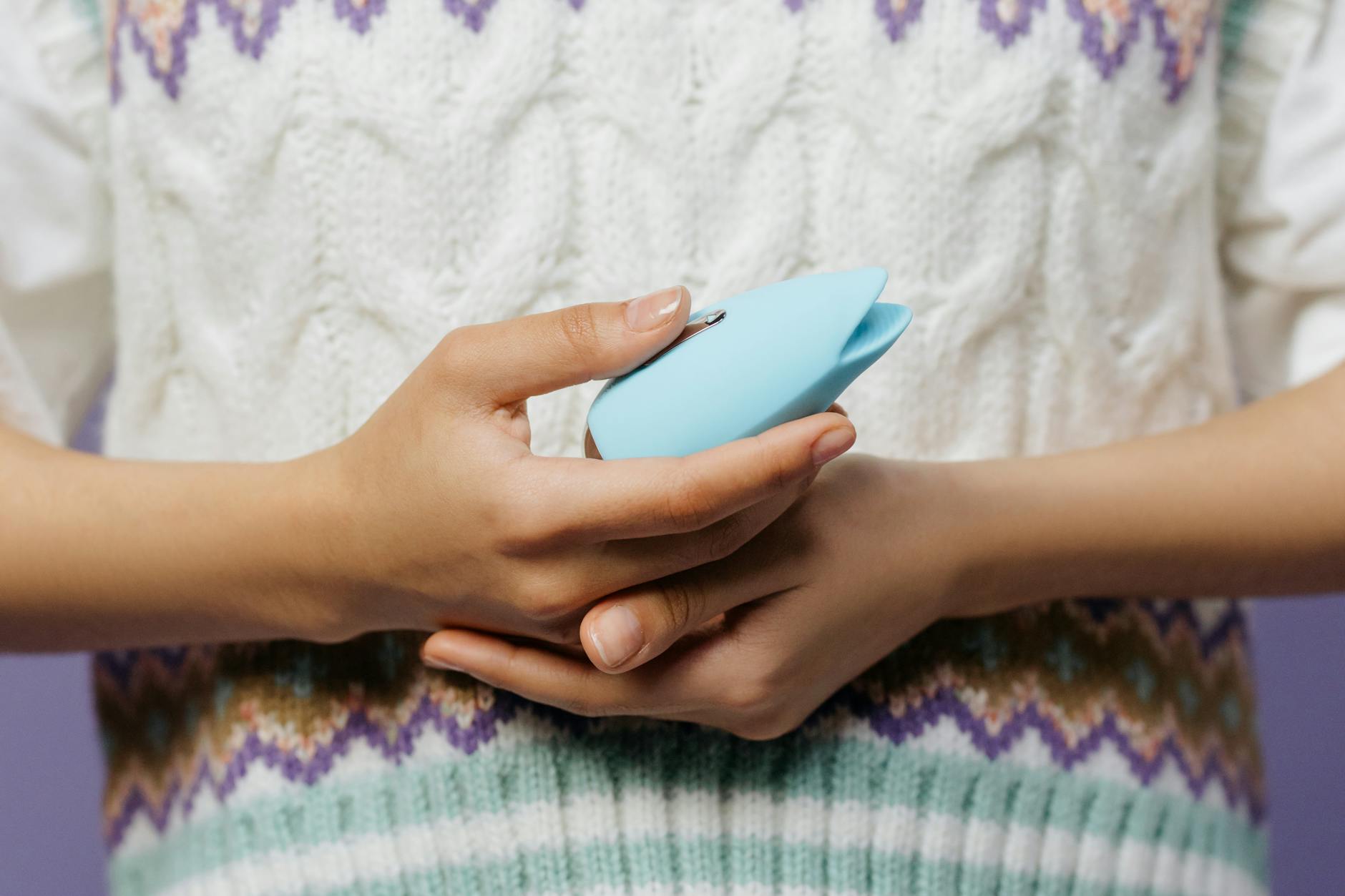
How to Use Lemon Vibrators When Aging Reduces Natural Lubrication
Let's be real: your body changes. Natural vaginal lubrication shifts with time, and that's not weakness or failure. It's a normal part of aging that happens to most people with vulvas at some point. The friction that used to feel good starts to feel uncomfortable. You might notice it takes longer to get wet. Or maybe you don't get as naturally lubricated as you used to, period.
Here's what matters: lemon vibrators, specifically air-suction devices like the Lem, are among the best tools for pleasure when lubrication decreases. Not because they're magical, but because they work with your body's current reality instead of fighting it.
Understanding why lubrication changes with age
Your vulva produces natural lubrication through a combination of glandular secretion and blood flow response to arousal. As estrogen declines over time (whether through natural aging, surgical menopause, or medication), the tissues that produce lubrication become thinner and less vascular. Blood flow takes longer to increase. The glands produce less fluid. This is not permanent damage. It's a shift.
The timing varies wildly. Some people notice changes in their 40s. Others don't see much difference until their 60s or 70s. Stress, medications, relationship dynamics, and overall health all play a role too. A person on certain antidepressants or antihistamines might experience dryness in their 30s. Someone managing chronic stress might find natural lubrication decreases earlier than expected.
What doesn't change: your capacity for arousal, pleasure, or orgasm. The infrastructure is still there. It just needs different support.
Why lemon vibrators work better when lubrication decreases
There are three reasons traditional vibrators can feel uncomfortable when natural lubrication is lower. First, direct friction against drying tissue irritates. Second, penetrative vibration requires more lubrication to feel good. Third, repetitive mechanical pressure fatigues sensitive skin faster.
Lemon clitoral vibrators using air-suction technology (like the Lem) bypass all three problems. They create a gentle suction seal around the clitoral area and deliver rhythmic pulses without direct friction or penetration. The stimulation is broad and diffuse, not concentrated pressure on one spot. This means you get intense sensation without the mechanical wear that happens with traditional vibration.
For aging bodies with reduced lubrication, that's a game-changer. You're not asking dry tissue to withstand sustained friction. You're stimulating nerve clusters through suction and pulsation. The experience feels completely different. And honestly? Many people find it more intense and more satisfying than what they had before.
The role of external lubrication
Here's the part that matters: use external lubrication. Not because you're broken, but because it helps. Water-based lubricants are your friend when you're using lemon vibrators, especially as you age.
A good water-based lube reduces any residual friction between your skin and the device, helps the air seal work more effectively, and prevents the pulling sensation that can happen on drier tissue. Apply it generously around the clitoral area before you start. You can reapply mid-session if you need to.
Silicone-based lubes feel richer and last longer, but they can damage silicone toys. Stick with water-based. If you have sensitive skin or are prone to yeast infections, look for a lube with a short ingredient list: usually just water, glycerin, and a thickener. Brands matter less than finding one that doesn't irritate you.
You're not using extra lube because your body failed. You're using it because your body changed, and this is how you adapt. That's not a compromise. That's intelligence.
Adjusting your technique
Using a lemon vibrator effectively when natural lubrication is lower comes down to three technique shifts.
Start lower and go slower. Arousal still happens. It just takes longer. Instead of jumping to intensity level 5 on your Lem, start at levels 1 or 2. Let your body respond for 10 to 15 minutes before increasing intensity. You'll likely find that what felt boring at level 1 a few years ago now feels satisfying when you give your body actual time to build.
Use longer warm-up sessions. The clitoris still engorges with blood when aroused. It still has 8,000 nerve endings. But the mechanism is slower now. A 5-minute warm-up that worked when you were 25 won't work at 55. Budget 15 to 25 minutes minimum before expecting strong sensations. This isn't longer because you're broken. It's longer because the biology of arousal shifts. Some people find that extended warm-up actually produces more intense orgasms than the quick sessions they used to have.
Experiment with pattern, not just intensity. The Lem has multiple pulse patterns, not just steady vibration. Patterns feel different than straight speed. Try moving through them instead of blasting one intensity level. Rhythm often works better than raw power when tissue is less lubricated and more sensitive.
Recognizing discomfort versus challenge
There's an important difference between sensation that's uncomfortable and sensation that's challenging. Discomfort is sharp, burning, or pulling. It feels bad during and feels worse after. Challenge is sensation that takes focus and attention, maybe even some initial intensity you're not used to. It feels intense during and feels good after.
If you're experiencing real discomfort with a lemon vibrator, stop. Back off intensity, add more lubrication, and try again. If you're still uncomfortable, see a gynecologist. Low lubrication sometimes comes with tissue changes (genitourinary syndrome of menopause) that respond well to topical treatments.
If you're experiencing challenge, push through for a few sessions. Your nerves need time to remember how to respond. Orgasms often come easier after you've had a few "warm-up" sessions with the device.
Partner considerations
If you have a partner, this conversation matters. Reduced natural lubrication sometimes gets framed as a personal problem. It's not. It's a shared experience that affects both of you.
Having a lemon vibrator isn't about replacing your partner. It's about creating the conditions where you can both feel good. If penetration has become uncomfortable or requires more effort, a lemon clitoral vibrator can be part of foreplay that works for both of you. Some partners find they actually prefer the dynamics that shift when external toys are involved. Communication helps. "My body's lubrication has changed, and here's what I need to feel good" is honest information, not rejection.
When to get additional support
If reduced lubrication comes with pain, see a doctor. If it comes with bleeding or unusual discharge, see a doctor. If you've adjusted technique, added external lubrication, and given yourself weeks to adapt, and you're still experiencing discomfort, see a doctor.
Genitourinary syndrome of menopause (GSM) is common, treatable, and shouldn't be something you just suffer through. Topical estrogen creams work. Vaginal moisturizers help. Systemic hormone therapy sometimes helps. Your healthcare provider can help you figure out what's right for your situation.
Beyond medical issues, if you're struggling emotionally with the shift in how your body responds, talking to a therapist or counselor can help. Aging changes pleasure. That shift is real. So is grief. Both can exist, and both are worth acknowledging.
The longer story
Lubrication changes with time. Your capacity for pleasure doesn't. When you work with your body instead of against it, using tools that match your current reality, you often find pleasure gets richer, not dimmer. That might sound like a platitude, but it's borne out in what people experience. Extended warm-up sessions can produce deeper sensation. Slower, focused arousal sometimes leads to longer, more intense orgasms. A shift in what works isn't failure. It's evolution.
Lemon vibrators, particularly air-suction models, are specifically suited to this evolution. They work when natural lubrication is lower. They feel different from traditional vibration in ways that many people prefer. And honestly, exploring your pleasure at any age, with real attention and good tools, often reveals things you missed when sensation was automatic.
People also ask
Can aging reduce natural lubrication permanently?
Reduced lubrication is typically not permanent in the sense that it can't be managed. However, the underlying tissue changes (lower estrogen, thinner vaginal epithelium) do usually persist as you age. That said, lubrication can fluctuate based on stress, relationship quality, medication, and overall health. Some people find that addressing stress, improving sleep, or adjusting medication helps. Others find topical treatments helpful. The reduction isn't usually reversible to exactly what it was at 25, but it's absolutely manageable and compatible with satisfying pleasure.
Is water-based lubricant safe to use with lemon vibrators?
Yes, absolutely. Water-based lubricants are ideal with silicone toys like the Lem because they don't degrade the material. Apply generously around the clitoral area before use. You can reapply mid-session if needed. Some people find water-based lubes absorb into skin quickly and need reapplication more than silicone-based lubes do. That's not a problem. Just keep the lube nearby and add more as needed.
Do orgasms change as natural lubrication decreases?
Orgasms change, but not necessarily in a bad way. Some people report that orgasms feel different—sometimes more localized, sometimes less intense initially, but often more satisfying when the right stimulation is present. The clitoral nerve endings don't disappear. The mechanism of arousal doesn't vanish. It's slower and it works differently, but many people find that with proper technique and tools like lemon vibrators, orgasms become more intense than they were before. Individual variation is huge here.
Should I try a lemon vibrator before trying medication or topical treatments?
They're not either-or. You can use a lemon vibrator while also using topical treatments or other medical interventions. In fact, many people find they work best together. A good topical moisturizer or estrogen cream can help with tissue health and comfort, while a lemon vibrator provides the stimulation and sensation. Talk to your healthcare provider about what combination might work best for your situation.
How long does it typically take to adjust to using a lemon vibrator as lubrication changes?
Most people find 2 to 4 sessions before sensation becomes really clear and comfortable. That means giving yourself several weeks if you're using it once a week, or several sessions in closer succession if you prefer. Your nervous system needs time to recalibrate how it's receiving stimulation. The first few times might feel odd or unclear. That changes quickly.
Can reduced lubrication happen suddenly or is it always gradual?
It can be both. Some people notice gradual changes over months or years. Others experience sudden shifts tied to medication changes, surgery, major stress, or hormonal shifts. If you notice a sudden significant change in lubrication, it's worth mentioning to your doctor to rule out medical causes. Gradual aging-related changes are normal and manageable with the right approach.
The bottom line
Your body changing is not your body failing. Lemon vibrators, particularly air-suction devices, work especially well when natural lubrication decreases because they don't rely on friction. Add external lubrication, adjust your timing, and give yourself permission to explore what works now. When arousal takes longer to build with age, patient technique matters more than intensity. Your pleasure is still there. Sometimes it just needs a different approach.