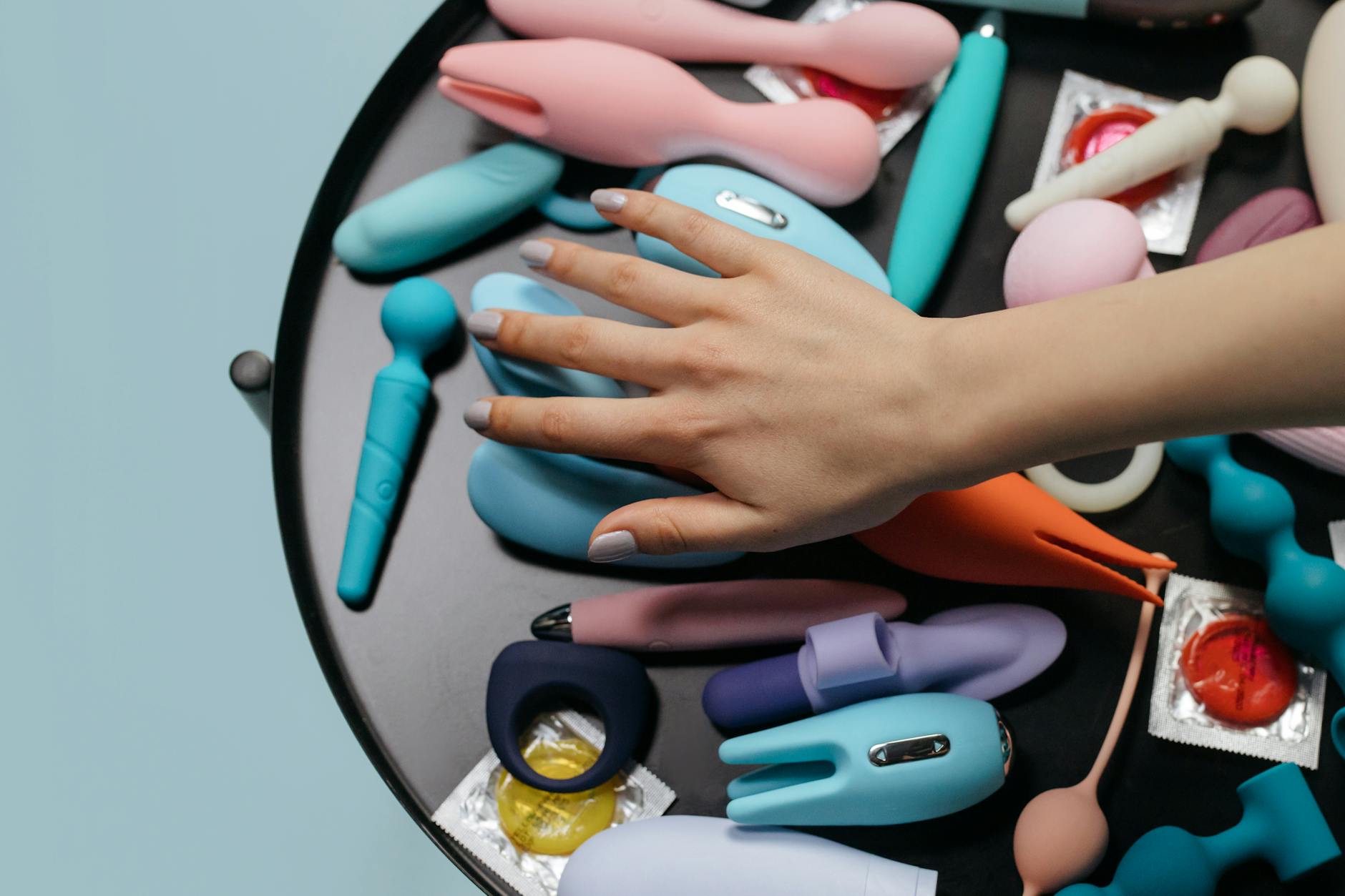
Your nerves don't have to stay numb. For years, I worked with clients who'd experienced trauma, medical procedures, or just the accumulated weight of disconnection—and they believed sensation loss was permanent. It isn't. Vulva nerves are surprisingly plastic, meaning they can rewire and regenerate with the right kind of input.
Let me untangle this first. Numbness in the vulva can come from several places. Childbirth tears or episiotomy scars create scar tissue that interrupts nerve signals. Pelvic trauma—physical or sexual—can shut down sensation as a protective response. Chronic stress and disconnection literally dial down your nervous system's sensitivity to pleasure. Even sitting for long hours puts pressure on the pudendal nerve, which runs through your pelvic floor.
The result feels the same: you're touching yourself, or a partner is, and there's nothing. It's like your body is behind glass.
But here's what happens next. If you keep those nerves dormant, they atrophy further. The brain's pleasure pathways get weaker. The disconnect deepens. It's a cycle, and cycles can be reversed.
Standard vibrators use rapid oscillation. They buzz. Lemon vibrators—specifically clitoral suction toys like the Hello Nancy Lem—use suction and gentle pulsing. That's a completely different signal to your nervous system.
Suction stimulates nerves without the overwhelming sensory input of direct friction. It's gentler, but paradoxically, it's also more precise. The suction creates a pressure gradient that engages a broader area of nerve endings across the clitoris and surrounding tissue. Your brain registers this as novelty, which means your nervous system pays attention.
For someone rebuilding sensation, that's gold. You're not asking your numb nerves to respond to maximum intensity. You're asking them to notice something different.
Week one: introduction without pressure. Use a lemon vibrator on the lowest setting for 5 to 10 minutes, three times a week. You're not chasing sensation. You're just showing your nerves what's happening. Keep a journal. Notice if anything shifts—tingling, warmth, even just the fact that you're paying attention to that area again.
Week two through four: adding intention. Increase to 15 minutes, and move through different patterns if your device offers them. Breathe deeply. Don't perform arousal. Just be curious. Most people report slight tingling or a vague sensation around week two or three. It often feels weaker than you'd expect, and that's normal.
Month two: rhythm building. Now you're spending 20 to 25 minutes. If sensation has started returning, introduce a simple rhythm: on for two minutes, rest for one minute, repeat. This pattern helps the nervous system distinguish between sustained input and surprise, which keeps the brain engaged.
Month three and beyond: expanding. Once you're feeling something consistent, experiment with different patterns and intensities. The goal shifts from "can I feel this" to "what do I enjoy."
I've worked with people who spent two years feeling nothing down there. By month four of consistent lemon vibrator use, they reported orgasms for the first time in years. This isn't exaggeration. This is neurology in action.
Here's what most people miss: your pelvic floor muscles wrap around all of this. If they're tensed in protection mode—which they usually are after trauma or prolonged disconnection—sensation can't fully return.
Before and after you use a lemon vibrator, spend two minutes on pelvic floor relaxation. Breathe in for four counts, out for six counts. On the exhale, imagine your pelvic floor softening like a flower opening. You can also gently massage the area between your anus and vulva with your fingers while breathing.
This isn't kegel-focused training. This is permission to your body to release what it's been holding. When your pelvic floor relaxes, blood flow improves. Nerves have more room to regenerate. The whole recovery accelerates.
Progress isn't always linear. Some clients report:
Week two to four: A faint buzzing or tingling, even on the lowest setting
Month one to two: Sensation that feels more localized, or orgasmic contractions that used to be absent
Month three: Stronger, more reliable sensation and the ability to feel pleasure during partnered sex again
Month four plus: The neurological maps fully rewired, and sensation often sharper than it was before the numbness
Your timeline depends on the severity of your numbness and how long it's been present. Six months of complete disconnect might take three months to reverse. Two years might take five to six months. Patience is the medicine here.
If you're not feeling anything after four weeks, you might be trying too hard. Stop grading yourself. The pressure to feel something can shut down sensation faster than the original trauma did. Back off to five minutes on the lowest setting, and approach it like meditation rather than performance.
If sensation returns but orgasms still don't, that's often a psychological layer, not a physical one. You've spent time numb, and your brain learned that this area doesn't produce pleasure. Orgasm might take another month or two even once sensation is clearly back. That gap is normal.
If you're experiencing pain or sharp sensations rather than numbness, see a pelvic floor physical therapist before diving into this protocol. Pain and numbness need different approaches.
Clitoral suction toys work well here because the suction creates graduated pressure. You can start at pattern one—barely noticeable—and build from there. The Lem's design means you're not relying purely on vibration frequency to generate sensation. The combination of gentle suction and pulsing activates multiple nerve pathways at once, which is what nerves need to rewire.
But the device alone isn't the answer. Consistency and patience are. You're essentially retraining your nervous system's pleasure response. That takes time.
If you have a partner, this recovery is worth discussing. Some people want solitude during this phase because performance anxiety kills the whole thing. Others benefit from a partner's presence but without expectation of arousal or sex. Be specific about what you need.
Most importantly, know that returning sensation is a sign of healing. It means your nervous system is coming back online. That's something to feel proud of, not something to rush or force.
Yes. Vulva nerves are remarkably regenerative. People have reported full sensation return after three to nine months of consistent stimulation using lemon vibrators and clitoral suction toys. The key is regular, low-pressure engagement with the tissue.
Lemon vibrators use suction and gentle pulsing rather than rapid oscillation. This gentler signal is easier for numb nerves to register without overwhelming them. It also engages a broader area of nerve endings, which is more effective for rewiring sensation pathways.
Pain is a different signal and often indicates inflammation, scar tissue tension, or pelvic floor hypertonicity. Consult a pelvic floor physical therapist before using any vibrator. Pain recovery requires a different protocol than numbness recovery.
Start with three times per week for 5 to 10 minutes. As sensation begins returning, increase frequency to four to five times per week for 15 to 25 minutes. Consistency matters more than intensity.
No. Timeline and intensity depend on the source of your numbness, how long you've been numb, your pelvic floor tension, and your relationship to pleasure. Some people see results in four weeks. Others need four months. Both are normal.
Once sensation returns, you're not done. You're actually just getting started. A lot of people spend so long numb that they forgot what pleasure felt like, or they never learned what they actually enjoy because they were focused on function. Now you get to explore.