Here's what nobody tells you upfront
Antidepressants save lives. They also often flatten sexual response in ways that feel unfair, isolating, and sometimes unmentionable. About 40 to 60 percent of people on SSRIs experience some shift in orgasm quality, intensity, or the time it takes to get there. The medical community calls this a "side effect." What it feels like is losing something you depended on.
The good news: this isn't permanent, it's not your fault, and there are specific tools that work.
I've worked with hundreds of couples navigating this exact tension. The pattern is always the same. Someone starts medication feeling desperate for relief from depression or anxiety. Within weeks, they feel better mentally. Within months, they notice their body isn't responding the way it used to during sex. They get quiet about it. Their partner gets confused. Nobody mentions it to their doctor because it feels embarrassing, or worse, like complaining when the medication is actually helping.
What I want you to know: this is not a choice between mental health and sexual health. You don't have to pick one.
How SSRIs change physical sensation
SSRI medications increase serotonin availability in your brain, which is why they lift depression and anxiety. But serotonin also regulates arousal, blood flow, and the sensitivity of nerve endings. When serotonin levels rise system-wide, several things can shift at once.
The delay is the most common complaint. People describe needing 20, 30, sometimes 45 minutes to reach orgasm when they used to take 10. Others say the orgasm itself feels muted, like watching pleasure happen to someone else instead of feeling it in their body. Some people notice less genital lubrication or reduced erectile response if they have a penis. All of this is neurological, not psychological.
The important part: your capacity for pleasure hasn't gone anywhere. Your brain's reward centers are still intact. The signal is just quieter, and it takes longer to build.
That's where tools designed for sensitivity recovery come in.
Why lemon vibrators work differently
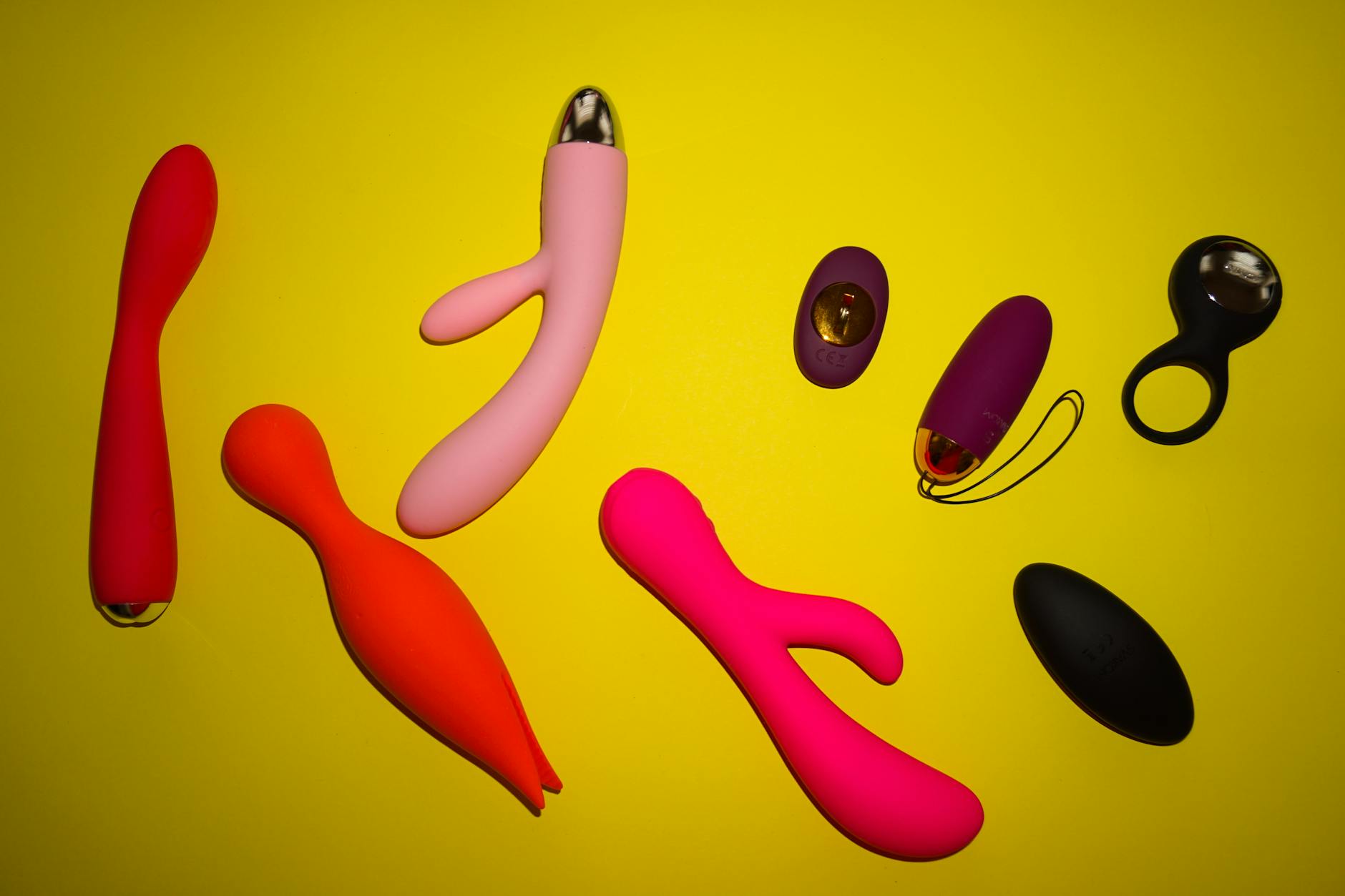
Lemon clitoral vibrators, especially models like the Lem that use air-suction technology, work on a different principle than standard vibrators. Instead of relying on rapid vibration to create stimulation, they use gentle pulsing suction that engages the clitoris and surrounding tissue in a way that's more effective when sensation is muted.
Here's why this matters for antidepressant users specifically:
Standard vibrators require constant, often intense vibration to register when your sensory system is dampened by medication. That means longer sessions, higher settings, and sometimes hand fatigue. Clitoral suction toys create a different kind of stimulation. The suction mechanism pulls blood into the tissue, literally engorging the clitoris and making it more sensitive. This works with your body's natural arousal response instead of bypassing it.
People I've worked with consistently report that lemon vibrators feel more noticeable, require less battery life, and create orgasms that feel more integrated into their body. One client described it as "finally feeling the pleasure instead of chasing it."
Starting over with sensation
If you've been on antidepressants for a while, your body has adapted to the blunted sensation as normal. Reintroducing pleasure tools isn't about going back to before medication. It's about finding new pathways now.
Start slow. Set 15 to 20 minutes aside when you're not tired or rushed. Take time to notice where you feel sensation in your body before you even pick up the toy. Some people find that mental arousal takes longer too, so reading something that turns you on or revisiting a fantasy can help. Give yourself permission for this to feel different.
When you use a lemon clitoral vibrator, begin on the lowest setting. The suction alone creates stimulation, so you might not need the vibration running. Many people find that using the toy for 2 to 3 minutes, then pausing to let sensation build, then returning to it creates a rhythm that works better than continuous stimulation. It gives your nervous system time to register what's happening.
The goal isn't speed. It's sensation you can actually feel.
Talking to your partner about this
If you're in a relationship, your partner probably noticed the change too. Sometimes they've said something gentle. Sometimes they've gone quiet, which can feel like rejection even though it's usually confusion.
The conversation doesn't have to be heavy. Something like: "The medication is helping my mental health, but it's made it harder for me to orgasm. I'm exploring some tools that help. I'd like your support with this." That's honest, specific, and invites them in without making them responsible for fixing it.
If your partner is concerned about the toy replacing them, that's worth addressing directly. Clitoral vibrators don't replace partnered sex. They're often a bridge back to it. People report that using tools during partnered sex, or using them solo to rebuild confidence, actually strengthens sexual connection over time. The tension shrinks when both people understand what's happening.
Some couples find that introducing a lemon vibrator into partnered sex creates novelty and takes pressure off performance. Others prefer using it solo first, rebuilding pleasure independently, then bringing that confidence back to their partner. There's no script here.
When to talk to your doctor
Your doctor should know about sexual side effects. This doesn't mean you have to stop your medication. It means your prescriber can help you figure out timing (some people take their dose at night so the peak effect is during sleep), can consider alternative SSRIs that sometimes have different profiles, or can discuss adding something that counteracts the sexual side effects. Buspirone, bupropion, or other medications sometimes help. But that's a conversation only your doctor can have.
What you're experiencing is not rare or weird. It's a known side effect, and medical providers are increasingly comfortable discussing it. If your doctor seems dismissive or unwilling to talk about it, that's actually important information about whether this is the right provider for you.
The patience part
Rebuliding pleasure when it's been muted by medication takes longer than you'd like. Most people see noticeable change within 2 to 4 weeks of consistent use, but real integration takes months. Your nervous system is learning new pathways while operating under neurochemical conditions it didn't ask for.
Be gentle with yourself during this. You're not broken. Your medication isn't a punishment. You're doing the work of staying mentally healthy while reclaiming a part of yourself that matters.
The people I've worked with who come out the other side of this report something interesting: their pleasure often becomes more intentional, more connected to their actual desire instead of automatic response. That's not a consolation prize. That's a different kind of good.
FAQ
Can I use a lemon vibrator if I'm also taking anxiety medication?
Absolutely. Anxiety medications and antidepressants often work together, and both can affect sexual response. The same principles apply. Start low, give yourself time, and be patient with your body. If you're on multiple medications affecting sensation, lemon clitoral vibrators often work even better because they create more noticeable stimulation.
Will my orgasms come back to normal if I stop the antidepressant?
Often, yes, but that's not a decision to make based on sexual side effects alone. Your mental health comes first. If sexual function is significantly impacted, have that conversation with your prescriber. Sometimes switching to a different SSRI helps. Sometimes adding another medication helps. Sometimes using tools like lemon vibrators alongside your current medication is the best option. Never stop antidepressants without medical guidance.
How long does it take to feel improvement with a clitoral vibrator?
Most people notice changes within 2 to 4 weeks of regular use, but real improvement takes 8 to 12 weeks. Your nervous system is relearning sensitivity while operating under medication. That takes time. Consistency matters more than intensity.
Can using a vibrator make the numbness worse?
No. In fact, consistent stimulation helps rebuild nerve sensitivity. The risk is using stimulation that's too intense too fast, which can create fatigue rather than improvement. Start on the lowest setting and work up over weeks, not days.
Is it normal to need longer warm-up time on antidepressants?
Completely normal. Mental arousal often takes longer too. Budget 15 to 25 minutes for solo exploration, not 5. This isn't a problem to fix. It's just your current reality. Many people find that longer sessions actually create deeper sensation and more satisfying orgasms.
What if the lemon vibrator still doesn't help?
Try different approaches: varying the setting and pattern, using it at different times of day, combining it with mental arousal through reading or fantasy, or using it with a partner. If nothing shifts after three months of consistent use, bring this back to your prescriber. They might recommend adjusting your medication, adding something that counteracts sexual side effects, or exploring whether a different antidepressant might work better for you. Tools help, but sometimes the solution is medical.
Your pleasure is worth advocating for. Not instead of mental health. Alongside it.