Let's talk about the numbness nobody warns you about
You bought lemon vibrators because they work. Then they worked so well that you used them every day. Now your clitoris feels almost nothing.
This is real. It happens. And it's not permanent.
Recovery
You used them too much. Now your clitoris feels nothing. Here's the exact protocol to rebuild sensation and reignite pleasure.
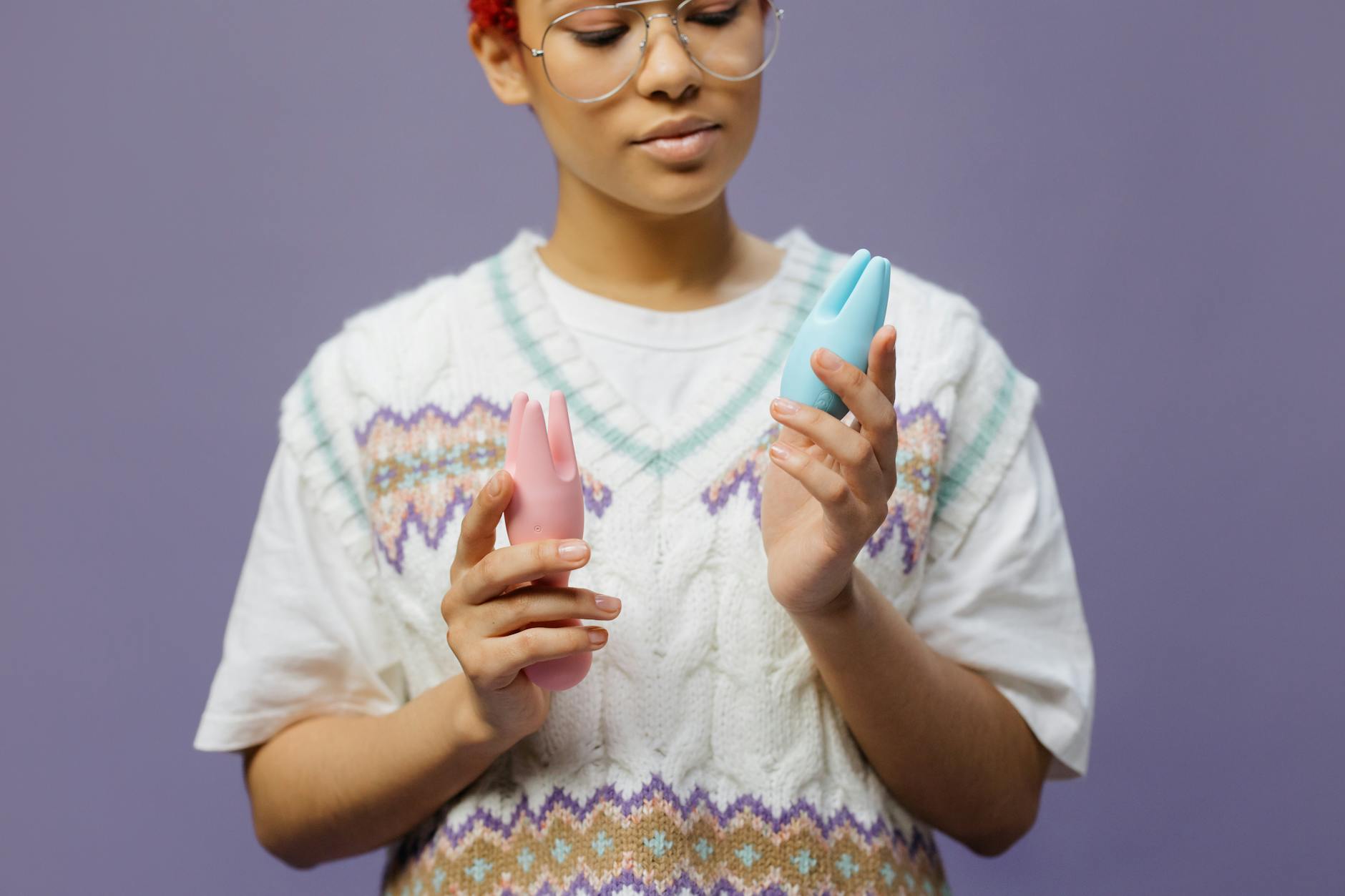
You bought lemon vibrators because they work. Then they worked so well that you used them every day. Now your clitoris feels almost nothing.
This is real. It happens. And it's not permanent.
Vibrator desensitization is a documented phenomenon, though sex educators and toy makers rarely lead with it. Your clitoris adapts to intense, consistent stimulation by downregulating nerve sensitivity. It's the same neurological mechanism that makes a repetitive sound fade into background noise. Your body is protecting itself from overstimulation. Unfortunately, that protection feels like loss.
Here's the good news: sensitivity can come back. I've worked with dozens of people who rebuilt full sensation in 2 to 8 weeks using a structured approach. What follows is that protocol.
Your clitoris contains roughly 8,000 nerve endings concentrated in a space smaller than a pea. These nerves fire in response to pressure, vibration, and rhythm. When you expose them to the same stimulus repeatedly at high intensity, they stop firing as readily. Your nervous system is essentially saying, "Okay, I've registered this 500 times. I'm turning down the volume."
This isn't about your lemon vibrators being bad. Air-pulse technology and vibrating lemon adult toys are phenomenally effective precisely because they're good at what they do. The problem emerges only when daily use becomes the default.
Some people can use the same toy daily for years without noticeable desensitization. Others feel it after two weeks of frequent use. Variables include individual nerve density, baseline sensitivity, frequency of use, and intensity settings. If you're naturally sensitive, you're more vulnerable to this.
Most people's first instinct is to put away their lemon clitoral vibrator entirely and wait for sensitivity to return. This can take months. Meanwhile, frustration builds, pleasure disappears, and the toy sits unused.
A better strategy is planned, intentional reduction combined with sensation retraining.
Weeks 1 and 2 are about breaking the daily habit and reintroducing non-vibrating sensation.
Stop using your lemon vibrators entirely. I know this feels extreme. The point is to create a clear reset. Your nervous system needs to genuinely notice the absence. For 14 days, explore sensation through touch only: your fingers, a partner's fingers, oral stimulation if you have a partner. This isn't about reaching orgasm. It's about rebuilding the signal-to-noise ratio. You're training your nervous system to respond to lighter input.
Use a water-based lubricant. Thinner tissues recover sensation faster when they're properly hydrated. The goal is to feel something in week two that you couldn't feel in week one.
During week two, most people notice a shift. The clitoris starts responding to touch again. Orgasms are possible, though they might feel less intense than before. This is progress.
Weeks 3 and 4 involve gradual reintroduction of your lemon sexual toys at lower settings.
Bring back your toy, but only on pattern 1 or 2 if your toy has numbered settings. If it's variable, use roughly 25 percent of maximum intensity. Use it only 2 to 3 times per week. This matters. Spacing creates the recovery window.
After about six minutes of low-intensity stimulation, pause and switch back to manual touch. Alternating between vibration and non-vibrating sensation helps your nervous system recalibrate the intensity scale. It's like adjusting your eyes to dim light by alternating with brightness.
By the end of week four, you should feel a noticeable difference. Your lemon clitoral vibrator will feel stronger than it did before the break, even though nothing has changed about the toy itself. Your sensitivity has increased.
Partner involvement can accelerate recovery if handled right, or derail it if not.
The key is consent and patience. Your partner needs to understand that this is not about them or your desire. It's a nervous system recalibration. If your partner has been involved in vibrator use, ask them to take the lead during weeks 1 and 2. Their touch carries different sensory information than a device. Skin-to-skin contact activates different nerve fibers than vibration does.
If penetration is part of your routine, that's fine. Sensation recovery doesn't require abstinence from partnered sex. It requires stepping back from high-intensity vibration specifically.
By week 3, if you want to reintroduce your toy with a partner present, do it together. Let them control the device at low settings while they're also touching you manually. This creates a richer sensory experience and prevents your nervous system from fixating solely on vibration again.
People often assume that because a little vibration is good, returning to their old patterns sooner is fine.
It's not. The most common failure I see happens at week 4, when someone feels better and immediately goes back to daily use at high intensity. Sensitivity collapses again within days.
After completing the four-week protocol, the new rule is: no more than 3 to 4 times per week with lemon vibrators, and rotate intensity. One session at pattern 3, the next at pattern 1. Varying the stimulus prevents habituation from rebuilding.
Orgasms do come back. They often come back stronger because you've reset your baseline. What previously felt like a 6 on your pleasure scale will feel like an 8. You've essentially returned your nervous system to factory settings.
Many people also report that their orgasms feel different in a good way during recovery. Without constant high-frequency vibration, you become aware of subtler sensations. You might notice the texture of touch, the rhythm of breathing, the buildup of arousal before climax. The experience becomes richer even as intensity returns.
The clitoris is not a button to be worn out. It's a sensitive, adaptive piece of your nervous system. Treat it with intentionality, and it responds with abundance.
If after eight weeks of following this protocol you still feel no sensation, consult a gynecologist or sexual health specialist. Desensitization usually reverses, but occasionally it indicates a circulatory issue or a medication side effect. That's rare, but worth checking.
Also see a provider if numbness is accompanied by pain, burning, or unusual discharge. Those suggest a different issue entirely.
If you're taking any medications that affect nerve function, mention your sensitivity loss to your doctor. Certain antidepressants, antihistamines, and blood pressure medications can genuinely reduce clitoral sensation. Sometimes the solution is a dosage adjustment or a different medication, not a recovery protocol.
Not in weeks 1 and 2. You need a complete break to reset your baseline. After week 2, yes, but sparingly and at genuinely low intensity. "Low" means you feel mildly stimulated, not intensely aroused. There's a difference.
You'll feel it. In week 2, you might notice that a light touch creates a sensation you couldn't feel before. By week 3, lighter vibration patterns will feel noticeably more intense. By week 4, you'll be genuinely aroused from stimulation that felt dead weeks earlier.
No. But it can persist for months if you keep the same habits. The longer you use high-intensity lemon sexual toys daily, the longer recovery takes. Start early.
Yes. Desensitization happens with any repeated high-intensity vibration on sensitive nerve tissue. The recovery protocol is the same: complete break, then gradual reintroduction with variation.
The mechanism is different. Suction stimulates nerves through negative pressure rather than direct vibration, so desensitization is less common. But it can still happen with obsessive daily use. If it does, the same protocol applies.
During weeks 1 and 2, no. Switching to a different vibrator just maintains the overstimulation under a different name. Non-vibrating sensation is what resets your system. After week 2, varying your toy selection is actually helpful. Using different patterns and intensities prevents habituation to any single device.
Desensitization feels like loss, but it's actually feedback. Your body is telling you that intensity without variation creates diminishing returns. The recovery period is short. The pleasure that comes back is often deeper.
If you're struggling with this, you're not broken. Your nervous system is exactly as it should be. It adapts. And it recovers.
For more on rebuilding pleasure after changes to your body, read about how to use lemon vibrators for stronger orgasms after pelvic floor changes or explore strategies for building pleasure confidence with lemon vibrators as a beginner. Both cover foundational sensitivity work that pairs well with recovery.
Questions? Reach out to us. We're here to help you find your way back to pleasure.