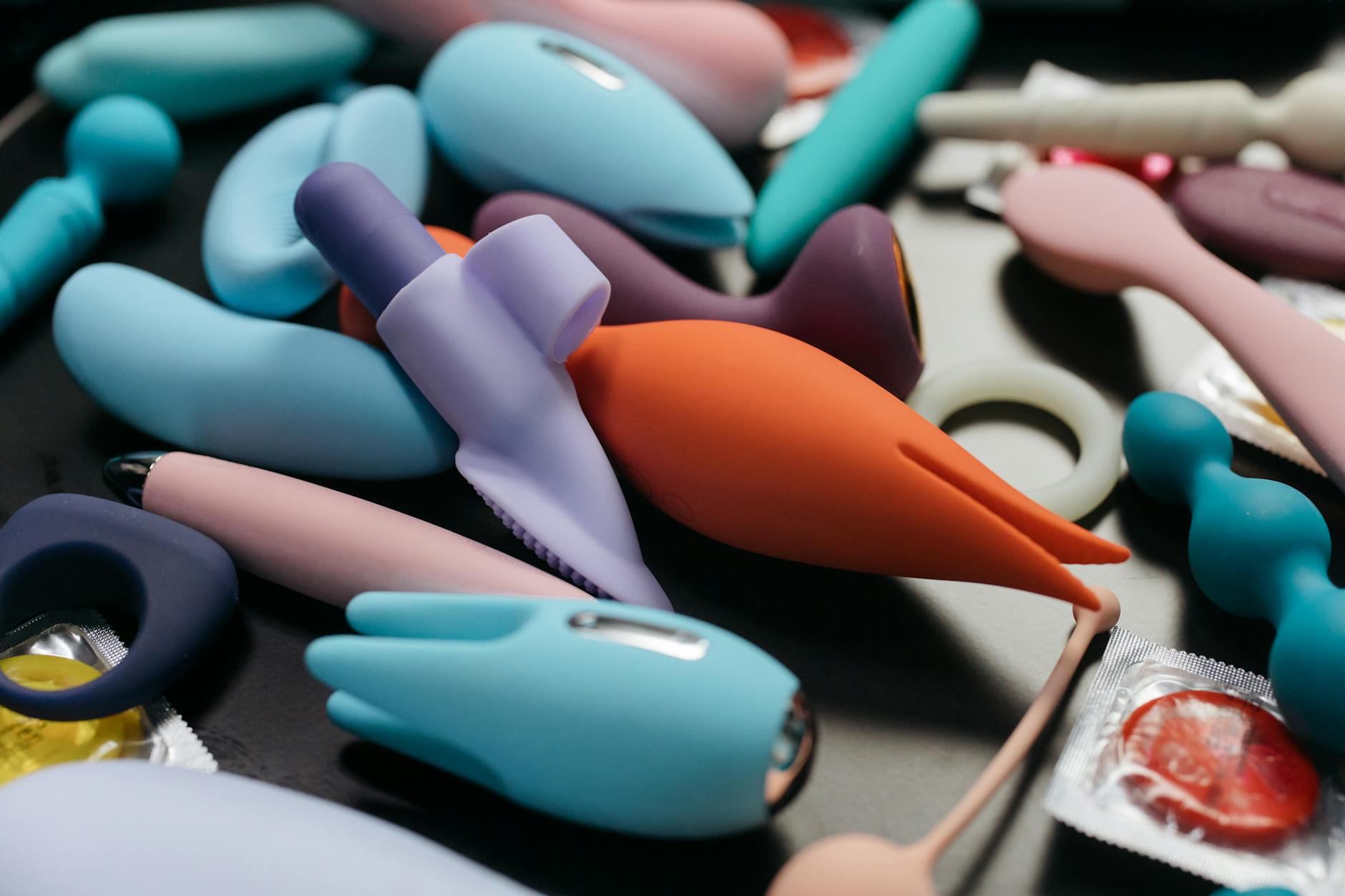
Let's start with the real thing
Most people bring up vibrators in their relationship because they want something different. Not because their partner is failing. That distinction matters, because the conversation you're dreading in your head is probably way more loaded than the one you actually need to have.
Here's what I've learned from working with couples: the anxiety is 80% about the talk, 20% about the toy.
The conversation is easier than you think
Forget the elaborate setup. You don't need wine, a carefully chosen moment, or a rehearsed speech. You just need honesty and timing.
Timing means: not during sex (too vulnerable, too performance-focused), not during a conflict (feels like a complaint), and not casually tossed into an argument about something else. Timing means sitting down when you're both relaxed, maybe on the couch with coffee, and saying something like this.
"I've been thinking about exploring something new sexually. I saw this clitoral vibrator and I'm curious about trying it together. Would you be open to that?"
That's it. You're not saying your partner isn't enough. You're not implying anything is broken. You're saying you want to experiment.
Most partners say yes. Some say "let me think about it," which is fine. Very few say no outright, and if they do, that tells you something important about compatibility that was worth knowing anyway.
Why a lemon vibrator specifically
Lemon vibrators like the Lem use air-suction technology rather than traditional vibration. This matters for partnered sex because:
They're quieter than most vibrators, so you can actually hear your partner and stay present. They're smaller and more intuitive to position. They don't numb out the area over time the way high-intensity vibration can. And honestly, they feel different enough that it's not a "replacement for me" scenario. It's genuinely a new sensation you're both exploring.
If you've never used a lemon clitoral vibrator before, the learning curve is minimal. But learning it together is actually easier than learning alone and then introducing it.
The mechanics of actually using it together
Start with clothes on, if that feels less vulnerable. Let your partner see it, hold it, understand how it works. No surprises mid-intimacy.
When you're getting intimate, I recommend these steps:
First time: external stimulation only. You're building comfort, not chasing an orgasm. Your partner can hold it, you can guide their hand, or you can hold it yourself while your partner touches you elsewhere. The point is familiarity.
Second time: let your partner take the lead. Hand them the Lem. Tell them what feels good. Give them real-time feedback. This is where the magic actually happens, because your partner gets to see what you enjoy in real time. It's intimate in a way that surprises most couples.
Establish a signal system. "Slower," "higher," "softer," "keep doing that." This isn't clinical. It's directing pleasure. Most partners find this sexy, not awkward.
Battery and comfort matter. Have the lemon vibrator charged before you start. Nothing kills the moment like "wait, I have to charge it." Also, if you're using it for more than 10-15 minutes, lube helps. Water-based lube is fine.
The insecurity thing
Here's what partners often worry about: "Does this mean they don't want me anymore?" The answer is almost never yes, but the worry is real.
Your job is to be explicit about this. "I want you here with me. I want your hands on me. The vibrator is an addition, not a replacement." And actually mean it. Keep touching them. Stay present. Make eye contact. The tool is the side dish. Your partner is the meal.
I've seen couples come back to me six months later saying that introducing a lemon clitoral vibrator was the best thing they did for their sex life because it opened up a conversation about pleasure that had been closed for years. Not because the toy is magic. Because it gave them permission to talk about what feels good.
Dealing with mismatched enthusiasm
Sometimes your partner is into it immediately. Sometimes they need time. Sometimes they say yes and then feel weird when it's actually happening. All of that is normal.
If your partner seems uncomfortable mid-session, pause. Not because something is wrong, but because you're checking in. "Is this okay? Do you want to stop?" Their answer matters more than your agenda.
If they're hesitant overall, don't push. Instead, ask: "What would feel better to you?" Maybe they want to watch you use it alone first. Maybe they want to read about it together. Maybe they want to try a different type of toy. The point is, you're collaborating, not convincing.
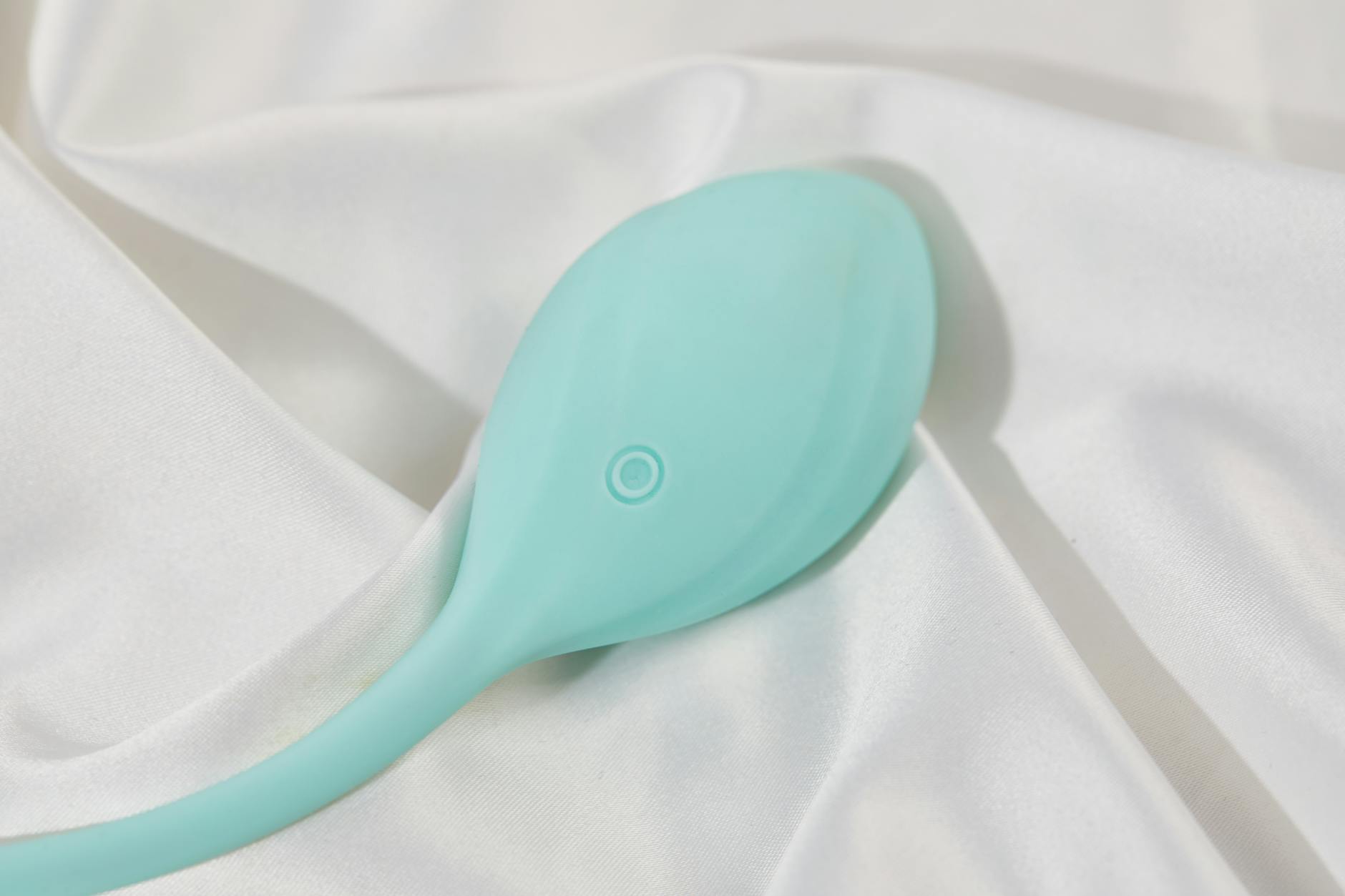
Photo by IFONNX Toys on Pexels
After the experience
Talk about it after. Not a full debrief if that feels weird, but a simple check-in. "I really enjoyed that," or "That was interesting," or even "I want to try that again next time." This tells your partner two things: you're aware they were there with you, and you're thinking about a next time.
If it didn't land, that's information too. Maybe the vibration intensity wasn't right. Maybe the timing was off. Maybe you both need a little more comfort. None of that means the experiment failed. It just means you're learning what works for you as a couple.
Practical setup tips
Location matters. Bedroom is obvious, but familiar is better than perfect. You want to relax, not perform.
Privacy is essential. Make sure you won't be interrupted. Lock the door. Tell kids you need quiet time. Set a phone to silent. Interruption anxiety kills everything.
Cleanliness first. Wash the lemon vibrator with warm water and mild soap before and after. It takes 30 seconds and makes both of you more comfortable.
Start with lower intensity. Most lemon vibrators have multiple settings. Begin at setting 1 or 2, even if you think you want more. You can always go up. Coming down from overstimulation is harder.
Have lube nearby. Even if you don't think you'll need it, you will. Water-based works with all materials.
What this actually opens up
What I see happen most is this: couples who introduce a toy together have better communication about pleasure overall. They use language they didn't use before. They ask each other questions. They pay more attention to response.
That's not because the vibrator is magic. It's because you both agreed to try something new, which means you're both saying "your pleasure matters to me, and I want to explore that together."
That foundation changes things.
People also ask
Can I use a lemon vibrator if my partner is uncomfortable with toys?
You can use it alone, absolutely. But the tension about introducing it usually comes from something other than the toy itself. It might be insecurity, a different relationship to pleasure, or just unfamiliarity. The conversation I mentioned earlier matters here too. Ask specifically what they're uncomfortable with, and listen. Sometimes it's about feeling replaced. Sometimes it's about religious or cultural beliefs. Sometimes it's just "I don't know what to do with it." Different problems need different conversations.
How do I know if my partner actually wants to use a vibrator, or if they're just saying yes?
Watch their body language during the conversation, and again during the actual experience. Genuine enthusiasm shows up as curiosity (questions, wanting to hold it, laughing), not just compliance. If you're getting one-word answers and they look tense, pause and ask directly: "You don't seem totally sure about this. What's going on?" If they say yes but freeze up during sex, same thing. Stop, check in, be kind. Pressure kills pleasure every time.
Is it normal for one person to want a vibrator and the other to not be interested?
Completely normal. Desire doesn't always sync up, and appetite for novelty doesn't either. One person might crave exploration while the other is content with what's working. That's a compatibility conversation, not a problem to solve with the right toy. Some couples compromise (you use it sometimes, they don't have to participate). Some couples decide it's not a priority. The key is honesty about what you both actually want, not what you think you should want.
Can using a vibrator damage my relationship if my partner feels insecure?
The toy itself doesn't damage anything. Poor communication about why you want it does. If you introduce it without talking first, your partner might assume all kinds of things that aren't true. If you do talk first, and you're honest about your reasons (curiosity, sensation, pleasure, wanting to experience something new together), most partners hear that as "you matter to me, and I want to share this." The vibrator becomes a bridge, not a threat.
Should I use a lemon clitoral vibrator every time we have sex if we start using one?
No. It's a tool, not a requirement. You might use it every other time, or once a month, or only when you're in a particular mood. The point is that it's available and you both know how to use it. I'd actually recommend using it inconsistently at first, so you're not building dependency on it for orgasm. Your partner's touch should still feel good and get you there on its own.
What if we use it and then we can't go back to sex without it?
This is the fear, and it rarely happens the way people imagine. What does happen sometimes is that you realize partnered sex was missing something for you, and now that you know what that something feels like, you miss it. That's not the toy's fault. That's information. You can incorporate it sometimes. You can use it and then switch to other kinds of touch. You can get curious about why this particular sensation matters to you. But you don't lose your other options just because you've tried something new.
The bottom line
Introducing a lemon vibrator into partnered sex is less about the toy and more about saying out loud that your pleasure matters, and that you trust your partner enough to explore that together. That conversation is the brave part. The actual mechanics are pretty straightforward. Start with honesty, maintain presence, keep checking in, and remember that your partner being there with you is the main event. The vibrator is just the detail that makes the whole thing richer.
If you're ready to have that conversation, start simple. You don't need permission to want something. You just need to ask.
References and further reading
Gottman, J. M., & Silver, N. (2015). The Seven Principles for Making Marriage Work. Harmony.
Perel, E. (2018). Mating in Captivity: Unlocking Erotic Intelligence. Harper Paperbacks.
Foley, S., Kope, S. A., & Sugrue, D. P. (2002). Sex Matters for Women: A Complete Guide to Taking Care of Your Sexual Self. Guilford Press.