
When numbness finally breaks
Let's be real: numbness doesn't announce its departure. One day you realize you felt something. A touch that would have registered as nothing six months ago suddenly registers as something. Maybe it's gentle. Maybe it startles you. And then comes the question nobody really prepares you for: now what?
If you've recovered from numbness, whether from medication side effects, surgical trauma, nerve damage, or emotional shutdown, reintroducing pleasure requires a completely different strategy than you used before. You're not starting from zero, exactly. You're starting from a place where your body is learning to feel again, and that learning needs to be deliberate.
Understanding what numbness actually does to your nerve pathways
When sensation fades, it's not like a switch flipping off. Your clitoral nerve endings are still there. What changes is the signal getting through. Some medications (SSRIs, antipsychotics, certain blood pressure meds) muffle the transmission. Surgery or trauma can interrupt the pathway temporarily. Emotional dissociation can make your brain ignore the signal entirely, even when the nerve is firing perfectly.
Here's the thing nobody tells you: when sensation returns, it doesn't return evenly. You might feel pressure before you feel pleasure. You might notice temperature or texture but miss the intensity for a while. Your brain and body are literally relearning the conversation. This isn't failure. This is recovery.
The clitoral nerve density doesn't disappear during numbness. It just stops talking. When it starts talking again, it's rusty. It needs time to rebuild the pathway between physical sensation and pleasure recognition in your brain. This is actually good news, because it means sensation can absolutely return to something rich and nuanced, even better than before if you're intentional about it.
Starting with sensation mapping
Before you touch yourself with anything, you need to know what you can feel right now. This sounds clinical, but it's actually kind of intimate.
Set aside 20 minutes. Somewhere private. No pressure to feel anything, no goal beyond information gathering. Use your fingertips (not fingernails) to explore your whole vulva slowly. Outer lips, inner lips, the space between, the hood covering your clitoris. Notice what registers. Pressure? Warmth? Texture? Nothing? All of these are data, not judgment.
Notice where sensation is sharpest and where it's still muted. The inner labia often have different sensitivity than the outer. The clitoral glans itself might be hypersensitive or completely quiet. Document this in your head or literally write it down. You're not diagnosing anything. You're establishing your personal sensation map right now.
Why lemon vibrators work differently during recovery
Traditional vibrators work by direct friction. They require your tissue to be responsive from the first moment. If you're recovering from numbness, direct friction often feels either like nothing or like too much, with very little middle ground.
Lemon vibrators, including the Lem, work through suction and gentle pulse patterns instead. The suction engages nerves without intense pressure. The patterns (especially the lower pulse settings) feel like a rhythmic invitation rather than a demand for response. For someone reawakening sensation, this is the difference between being nudged awake and being shaken awake.
The suction mechanism also creates a much more forgiving entry point. You can start with patterns 1 or 2 on a Lem and feel something substantive without crossing into overstimulation. That bandwidth is crucial when your nervous system is still calibrating what sensation means.
The protocol for reintroduction
Start with zero expectations. This is important enough to repeat: start with zero expectations.
Week one, sessions two or three times: Apply the Lem on its lowest setting to the outer hood of your clitoris (not directly on the glans). Keep it there for 60 seconds. Notice what you feel. Pressure? Pulse? Vibration? Temperature? Numbness? None of these are wrong. You're listening.
If anything feels good after 60 seconds, you can extend to 90 seconds. If it feels like nothing, you can try moving it slightly or keeping it in the exact same place. Consistency sometimes wakes up nerves better than variety.
Week two: If you felt something, move to pattern 2. Same placement, same duration. If you felt nothing, stay with pattern 1 but try a different part of the hood or the upper outer lip instead.
Week three: You're probably starting to feel something more distinct. Try moving to a slightly more direct placement if that appeals to you, or stay where you are. There's no timeline for this.
The point is microscopic progress. You're not trying to orgasm. You're trying to have a conversation with nerve endings that have been quiet.
Managing overstimulation and shutdown during recovery
Sometimes sensation comes back and it's too much. Your clitoris feels raw or oversensitive. Your body might actually shut down partway through because it's overwhelmed. This is a real response, not you doing it wrong.
If you hit this, dial back immediately. Go back to pattern 1. Reduce session length to 30 seconds. Try different placement. It's possible you're asking for too much stimulation too quickly, and your nervous system is hitting the brakes.
It's also possible you have some secondary hyperalgesia (pain from light touch) mixed with the numbness recovery, which is more common than people think. If any part of the process consistently hurts, pause and talk to a pelvic floor physical therapist or your doctor. Recovery shouldn't involve pain.
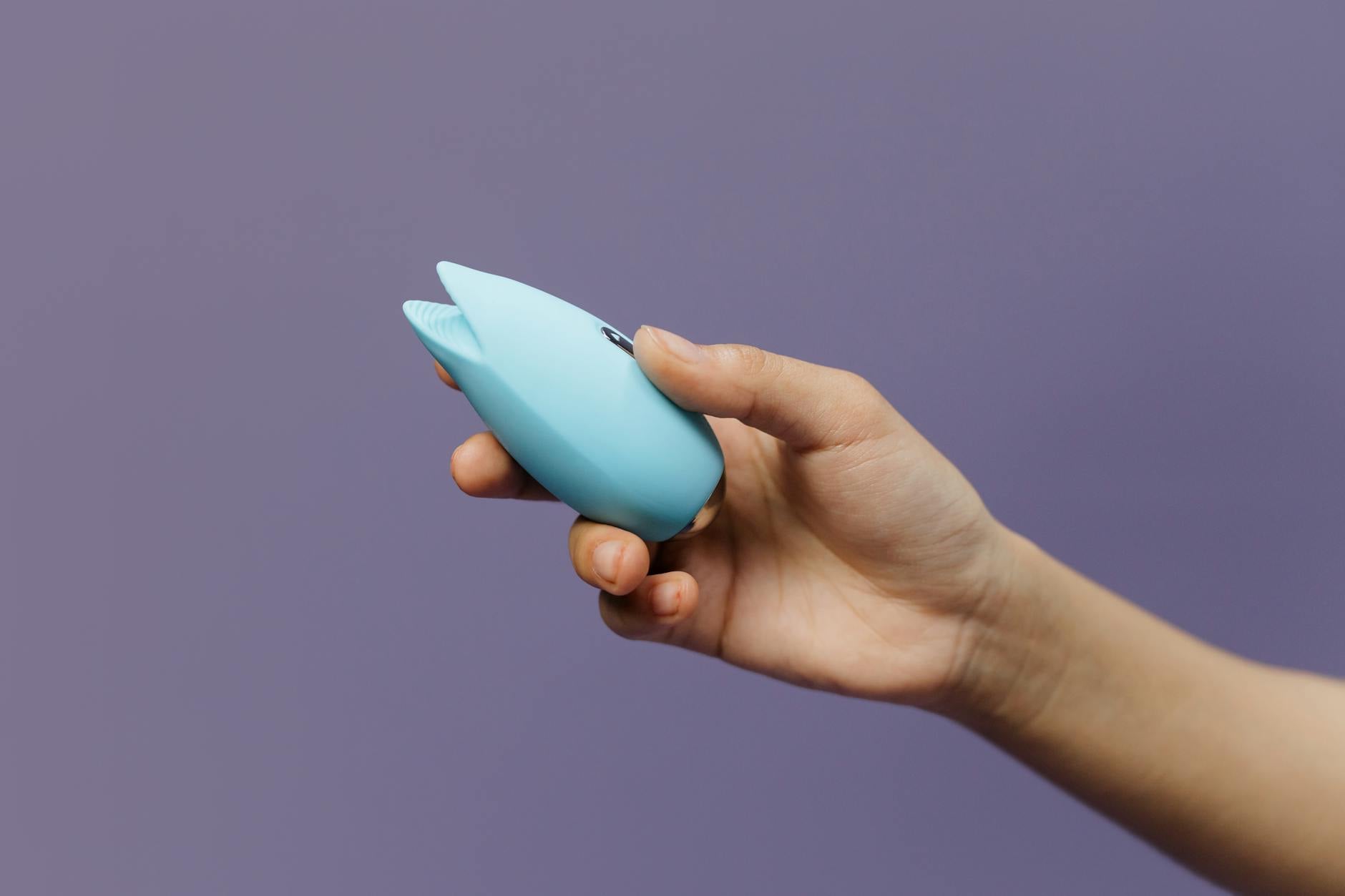
Photo by cottonbro studio on Pexels
Rebuilding the mind-body connection alongside sensation
This is the part that takes longest and matters most. Numbness is often a full-system response. Your body went quiet not just because of medication or injury, but because something in your life made quieting down feel safer.
As sensation returns physically, your brain might resist. You might feel something and flinch. You might go numb on purpose because numbness feels predictable. You might feel guilt or weirdness around pleasure.
This is where therapy or coaching genuinely helps. Working with a therapist who understands trauma, medication side effects, or relationship dynamics gives you a place to process what comes up as sensation returns. Sometimes the clitoris knows how to feel again before the mind does.
While you're reawakening sensation with a lemon vibrator, also notice what stories run in your head. "This doesn't work." "I'm broken." "I should feel something by now." These aren't facts. They're your nervous system still protecting you. Gently notice them and let them pass. Replace them with something closer to: "I'm in recovery. This takes time. My body is learning again."
When to bring a partner into the process
If you have a partner, there's usually pressure to include them quickly. Resist this. The first 4-6 weeks of sensation recovery work best solo. You need to know what your own body feels without any performance pressure, any observation, any need to explain what's happening.
Once you're consistently feeling something and enjoying it, you can invite your partner in, but with clear boundaries. "I'm reawakening sensation. I need you to do exactly what I ask, exactly when I ask, and not improvise." A partner who understands this is a partner who actually supports healing.
Many people discover that <a href="/blog/how-to-use-lemon-vibrators-for-solo-pleasure-without-a-partner">solo pleasure during recovery is not a stepping stone to partnered pleasure</a>. Sometimes it's the destination. Your body might find its way back to shared intimacy differently than it was before, or it might not. Let recovery happen first. The shape of your pleasure comes later.
The emotional shift when feeling returns
There's a grief that arrives when numbness lifts. You spent a long time not feeling, and there was something safe about that. Now you're vulnerable to sensation and desire again, which means you're vulnerable to disappointment, to wanting, to loss. All of that is real.
Journaling helps. Talking to a therapist helps. Staying patient with yourself helps most of all. You're not just recovering sensation. You're recovering your relationship with pleasure, which is tied to your relationship with your body, which is tied to whether you believe you deserve to feel good.
The Lem and other lemon clitoral vibrators are tools, not magic. The actual work is showing up consistently, without judgment, and letting your body remember what it knows how to do.
When recovery plateaus
Some people find that sensation returns beautifully in the first two months and then stalls. You can feel something, but deep pleasure stays distant. This is normal and also worth investigating.
First: have you talked to your doctor about your original cause? If it was medication, is that medication still necessary, or can you switch? If it was trauma, are you working with a therapist? Sometimes sensation needs both the physical tools and the psychological work to fully return.
Second: are you still following the gradual protocol, or have you jumped back to your old intensity? If numbness is lifting, your instinct might be to go all the way to pattern 8 and hour-long sessions. Resist. Keep building gradually for at least two months. Your nerves need the slow progression.
Third: are you checking in with pleasure, or just checking in with sensation? These are different. Sensation is physical. Pleasure is interpretation. You might feel everything perfectly and still not experience pleasure if you're tense, distracted, or unconsciously protecting yourself.
FAQ: Reawakening sensation and lemon vibrators
How long does it usually take to recover full sensation after numbness?
It varies wildly depending on the cause. If it's medication side effects and you switch medications, sometimes feeling returns in 2-3 weeks. If it's nerve damage from surgery, you might be looking at 6-9 months. Emotional numbness can take even longer because it requires both physical and psychological rewiring. The most important thing is consistency, not speed. Showing up twice a week for three months beats showing up intensely once and then stopping.
Can I use lemon vibrators if sensation is returning unevenly?
Absolutely. In fact, uneven sensation recovery is the main reason lemon vibrators are so useful during this phase. The adjustable patterns let you match your current sensation level. One part of your clitoris might be ready for pattern 3 while another part is still at pattern 1. You can literally adapt in real time.
What if I feel more numb after using a lemon vibrator?
This sometimes happens, especially if you've pushed too hard or if your nervous system is overwhelmed. It's not damage. Your body is downregulating overstimulation. Back off to shorter sessions, lower patterns, and less frequent use for a few days. If numbness deepens and stays, talk to your doctor.
Is it normal to feel emotional during sensation recovery?
Very. You're not just rewiring your clitoris. You're rewiring your relationship with your own body. Tears, anger, grief, or unexpected joy are all legitimate. Let them happen. They're part of recovery.
Should I tell my partner I'm using a vibrator during recovery if they don't know?
That depends on your relationship and what "knowing" means. If you have a generally honest dynamic, honesty works better than secrecy. But you don't need permission to heal your own body. If you decide to tell them, frame it clearly: "I'm reawakening sensation from numbness. This is medical. I'm doing it solo. I might want your support later." That's different from "I got a vibrator and didn't tell you," which often lands as deception.
Can numbness come back after it goes away?
Yes, if the original cause (medication, stress, trauma) returns. If it's about medication, switching back to the original drug or a similar class can re-trigger numbness. If it's emotional, periods of high stress can bring it back. But you now know how to recover from it, which changes everything.
Moving forward
Recovery isn't linear. Some days sensation feels strong and some days it's quiet again. This is normal. Your nervous system is learning a new baseline, and that learning happens in fits and starts.
The lemon vibrators in Hello Nancy's collection, especially the Lem, are built for exactly this kind of work. The suction design and variable pulse patterns give you the fine control you need while your body is relearning what pleasure feels like.
Most importantly: you're not broken, you're not lazy, and you're not too far gone. Sensation returns. It takes time, intentionality, and patience, but it returns. Your body remembers how to feel. You just have to let it.