Let's start with the obvious truth
Postpartum bodies don't feel like themselves. That's not poetic. That's medical fact. Hormones tank, tissues are still healing, sleep deprivation is real, and suddenly your partner's touch lands differently. Maybe it feels too intense. Maybe it feels distant. Maybe it just feels wrong, and you can't explain why.
Here's what matters: this is temporary and fixable. And lemon clitoral vibrators are one of the smartest tools for rebuilding that connection without the pressure.
What actually changes in postpartum bodies
Let's separate the obvious from the overlooked. Yes, hormone levels crash. Estrogen and progesterone plummet after delivery, which affects sensation, lubrication, and how quickly arousal builds. If you're breastfeeding, prolactin rises, which actively suppresses desire in many people. That's not in your head.
But here's what nobody explains clearly: your partner's touch changes how it lands because your nervous system is in recovery mode. Your pelvic floor is healing, whether you had vaginal delivery or C-section. Your body is literally rebuilding muscle and tissue. On top of that, you're in constant physical contact with a baby. You're being touched out.
When a partner reaches for you after weeks of that, the sensory experience isn't the same. It might feel invasive instead of intimate. It might feel too much when you've already given everything. That's not rejection. That's your body being honest.
The specific ways partner touch feels different
There are a few patterns I see consistently.
Hypersensitivity mixed with numbness. Your vulva may feel raw or overly sensitive in some spots while other areas feel muted. Direct pressure from a partner's hand or body might be uncomfortable in a way it wasn't before. A lemon sucker or lemon clitoral vibrator distributes sensation differently than finger contact. Suction creates a gentle, surrounding pressure rather than localized friction. That changes everything.
Disconnection from partner touch as pleasure. Partner touch now means tending to someone else's needs in your brain, even if you want it. The context has shifted. During pregnancy and early postpartum, touch becomes functional. Your partner touched you during labor. They've been helping with physical recovery. Touch has become care, not desire. Separating those wires takes time.
Speed mismatches. Your partner wants to move quickly. You need slow. Arousal takes longer when your body is depleted. A lemon vibrator lets you control the pace entirely. Your partner can be present without needing to perform pleasure.
Emotional distance that shows up as physical distance. Some partners feel disconnected after birth. Others feel anxious. Some people grieve the version of their partner's body they knew before. That emotional gap shows up as "I don't want to be touched right now," which is accurate but incomplete.
How lemon vibrators fit into postpartum reconnection
Here's the practical part. Lemon clitoral vibrators work exceptionally well postpartum because they bypass the problems partner touch creates.
They're solo or partnered, your choice. You can use a lemon sucker alone when you're ready to remember what pleasure feels like in your body without the pressure of someone else's needs. That's powerful. You rebuild the sensation pathway without stakes. Then, once you've reclaimed it, you invite your partner in. They can watch. They can hold you. They can narrate what they see. That's intimate without requiring your body to perform in a way it's not ready for.
They don't require arousal to feel good. This matters so much postpartum. Partner touch usually requires you to be already interested. A lem vibrator can kick-start arousal because suction works on the nervous system level, not the emotional level. Your body responds even when your brain is still in "I have no capacity" mode.
They give your partner something to do besides wait. A lot of postpartum relationship friction comes from one partner feeling rejected while the other feels guilty for not wanting touch. A lemon clitoral vibrator in the room changes the dynamic. Your partner can participate. They're not standing outside the experience. That shared moment rebuilds connection faster than a conversation about it ever will.
A practical framework for reintroduction
Weeks 6 to 8 postpartum is typically when provider clearance happens. That doesn't mean you're ready. Start here.
Solo exploration first. Grab a lemon vibrator. You don't need arousal, foreplay, or readiness. Just five minutes alone to rediscover what sensation feels like. You're not trying to orgasm. You're not checking a box. You're just remembering that your body can feel good on its own terms. Do this a few times.
Invite your partner to be present but not active. Tell them you want to try something and you'd like them in the room. Use your lemon sucker while they're sitting nearby, not touching. They might read. You're not performing. You're just normalizing pleasure in shared space.
Add narration if it helps. Your partner says what they observe. "I love watching you do this." "Your body looks so relaxed." Narration keeps them engaged without requiring you to do anything except exist. That's surprisingly intimate.
Then move to partnered application. Your partner holds the lemon vibrator. They control the intensity. This gives them back agency while you stay in control of consent. They can feel useful. You can receive without the pressure of reciprocating immediately.
That progression matters because it rebuilds trust in pleasure without collapsing into sex.
Managing the emotional layer
Physical reconnection is half the work. The other half is getting honest about the emotional terrain.
Some postpartum couples feel closer than ever. Some feel like strangers. Both are normal. Here's what usually helps: separate the intimacy conversation from the sex conversation. "I want us to feel connected again" is different from "I'm ready to have sex." If you tangle them, both stall.
Use the lemon vibrator reintroduction as a physical conversation, not a pivot to sex. You're saying, "I'm rediscovering pleasure in my body." That's a statement about you, not about readiness for your partner. It often makes space for your partner to feel less rejected. And once the pressure drops, actual desire sometimes follows.
When to get clinical support
If pain appears, see a pelvic floor physical therapist. Not later. Now. Postpartum pelvic pain is real and fixable, and it won't resolve by waiting.
If desire hasn't returned by six months postpartum and you're not breastfeeding anymore, talk to your doctor. Sometimes hormones don't recalibrate on their own. Sometimes it's depression masquerading as low libido. Sometimes it's relationship disconnection that needs a therapist, not a vibrator.
But most of the time, when couples use tools like lemon clitoral vibrators thoughtfully and talk about what's actually happening, reconnection happens naturally. It just takes permission and patience.
The long view
Postpartum feels like it lasts forever. It doesn't. Your body will feel like yours again. Your pelvic floor will heal. Your hormones will stabilize. And when they do, your partner's touch will land differently because you've both remembered what pleasure feels like.
The lemon vibrator isn't a workaround. It's a bridge. You're not bypassing intimacy with your partner. You're protecting it while both of you figure out what works in this new body, in this new life. That's the opposite of disconnection. That's actually how couples rebuild.
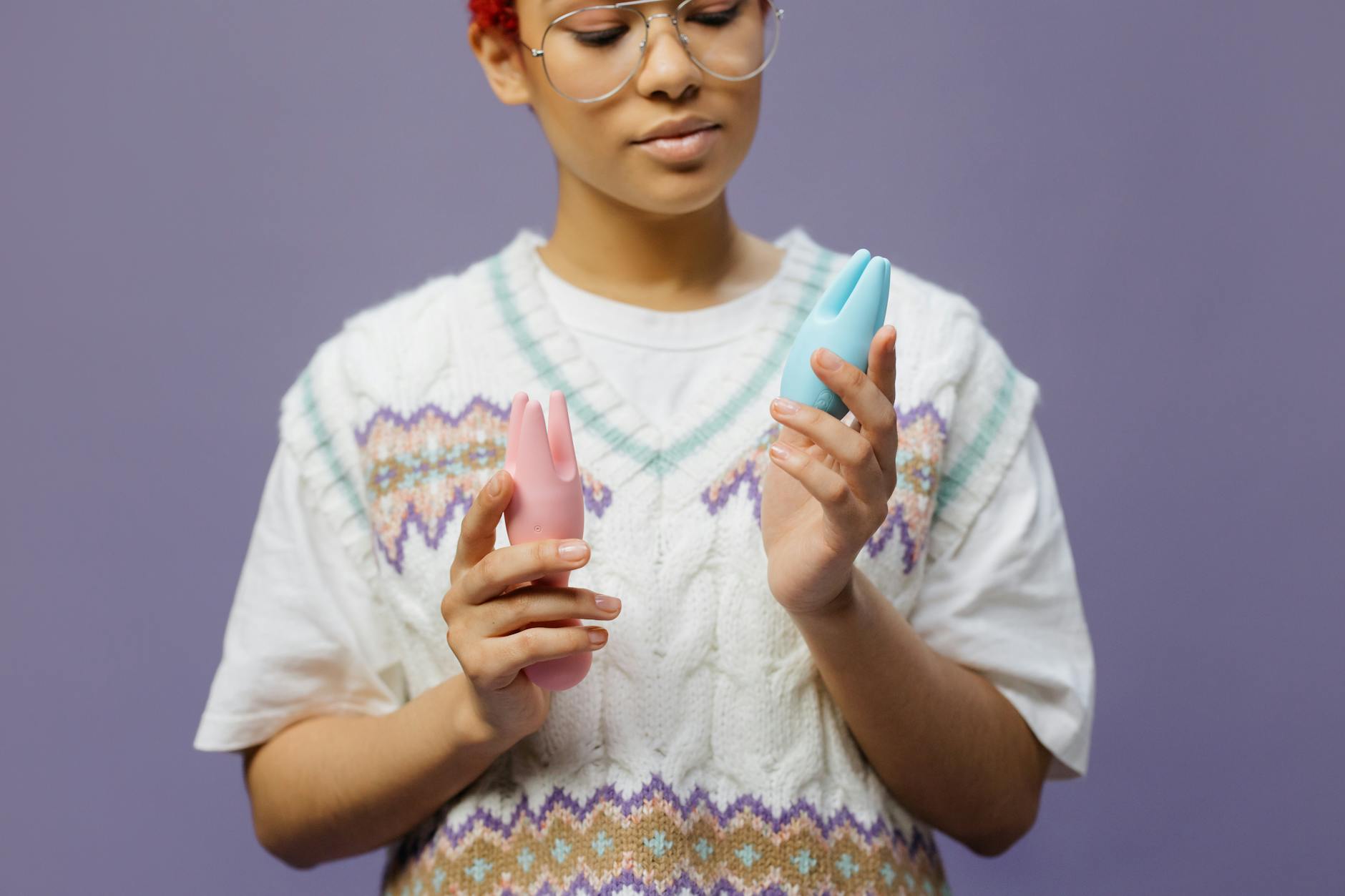
Photo by cottonbro studio on Pexels
People also ask
How long after birth should you wait before using a lemon vibrator?
Your medical provider will clear you for penetrative sex, usually around 6 weeks for vaginal delivery or 8 weeks for C-section. You can use a lemon clitoral vibrator externally before that clearance if it feels comfortable. External stimulation doesn't involve the healing areas, so it's typically lower-risk. That said, listen to your body. If you're still bleeding heavily or feel unsafe, wait. The lemon vibrator isn't going anywhere.
Can using a lemon vibrator affect breastfeeding?
No. Pleasure and lactation use different hormonal pathways. That said, orgasms do trigger oxytocin release, which can cause milk letdown. So you might leak. That's it. Wear a nursing pad or plan accordingly, but it's zero risk to your milk supply or your baby.
Does partner use of a lemon clitoral vibrator feel different than solo use?
Yes. When your partner holds the lemon sucker, you lose some control but gain the experience of being touched intentionally. The sensation is the same, but the context changes. For postpartum couples, that context shift is often what rebuilds intimacy. You're being attended to rather than performing. That distinction matters emotionally.
What if you still don't want touch from your partner after trying the lemon vibrator?
Pay attention. Sometimes pleasure with a tool doesn't translate to desire for partner contact. That's information. It might mean you need more solo recovery time. It might mean you need to talk about disconnection in the relationship. It might mean touch starvation is being expressed as touch aversion. A therapist who specializes in postpartum dynamics can help you parse it.
Can lemon vibrators help with postpartum depression symptoms?
Pleasure and orgasm can temporarily boost mood and reduce anxiety, but they're not treatment for postpartum depression. If you're experiencing persistent low mood, hopelessness, or intrusive thoughts, talk to your doctor. A lemon vibrator is a tool for reconnection, not a substitute for clinical care.
Is it normal to feel numb during postpartum pleasure?
Very. Hormone shifts, nervous system recovery, and mental load all contribute to reduced sensation. That numbness doesn't mean something's broken. It means your body is still recalibrating. Lemon vibrators often help because suction stimulates the nervous system in ways that bypass the numbness temporarily. As hormones stabilize and stress reduces, sensation usually returns naturally.
What comes next
Postpartum isn't about rushing back to the way things were. It's about building something new that fits your postpartum body and your postpartum relationship. A lemon vibrator is one tool for that. Honesty with your partner is another. And patience with yourself is the third. When you combine all three, reconnection happens. It just takes time.
If you're ready to explore lemon clitoral vibrators as part of your postpartum recovery, or if you'd like support thinking through how to have this conversation with your partner, reach out to us. We're here to help.