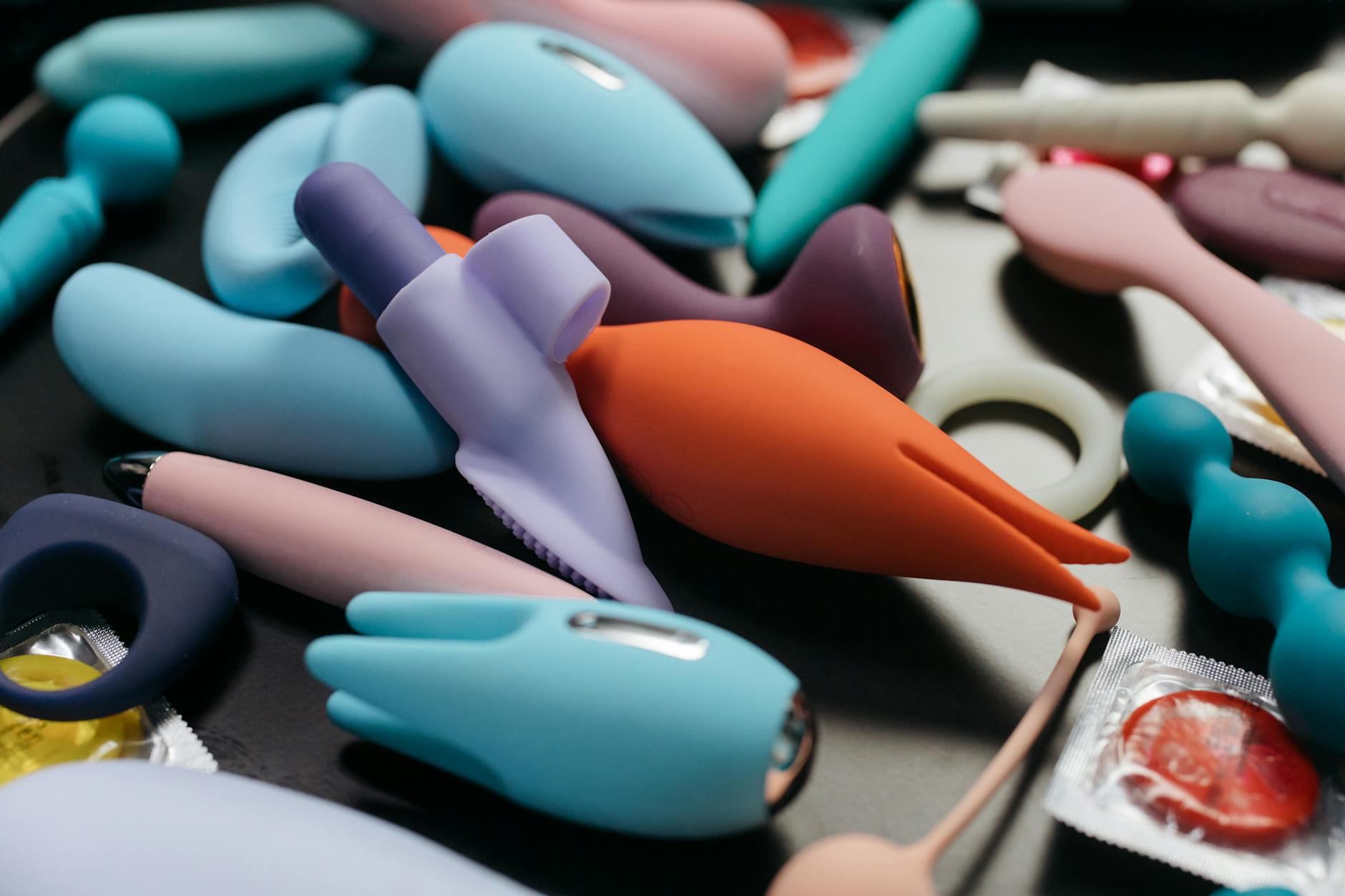
Let's talk about pain during sex
If penetration hurts, you're not broken. You're also not alone. Somewhere between 10 and 20 percent of people with vulvas experience pain during penetration, and that number climbs higher when you factor in situational pain or pain that comes and goes. But here's what gets less airtime: pain during penetration doesn't mean you can't have incredible sex. It just means you might need to change the route.
Clitoral stimulation with a lemon vibrator like the Lem skips penetration entirely. No pressure on painful tissue, no guessing about what your partner's doing down there, no performance anxiety layered on top of physical discomfort. Just direct, consistent stimulation to the part of your body that's absolutely capable of pleasure.
Understanding why penetration hurts
Pain during penetration has a bunch of different sources, and knowing yours matters because the solution changes depending on the cause.
Vaginismus is involuntary muscle tension in the pelvic floor that makes penetration feel impossible or painful. It's not psychological weakness. It's a reflex. Your body is protecting you from something it perceives as a threat, whether that's previous trauma, anxiety about sex, or sometimes nothing obvious at all.
Vulvodynia is chronic pain in the vulva that can feel like burning, rawness, or stabbing sensations. It shows up randomly or during specific activities like penetration or exercise.
Genitourinary syndrome of menopause (GSM) happens when estrogen drops and vaginal tissue gets thinner and drier. Penetration becomes painful because the tissue is literally more fragile.
Pelvic floor dysfunction could mean the muscles are too tight (hypertonic) or too weak (hypotonic). Either way, penetration becomes uncomfortable.
There are also simple mechanical reasons. If your partner's moving too fast, you're not aroused enough, or there's not enough lubrication, penetration hurts. That's not a medical condition. It's just misalignment.
Why clitoral vibrators work differently
Here's the anatomical fact that changes everything: the clitoris and the vagina are different structures with different nerve pathways. When penetration hurts, your clitoris can still feel amazing.
A lemon clitoral vibrator like the Lem uses air-suction technology or gentle vibration to stimulate the clitoris directly. There's no penetration involved. No pressure on painful vaginal tissue. No waiting for arousal to build passively while you're anxious about pain. You control the intensity, the rhythm, and exactly how much stimulation you want.
Most people with penetration pain say the same thing: "I didn't realize I could still have orgasms this way." Not as a compromise. As a full, real orgasm that feels completely different and often more powerful than what they were getting before.
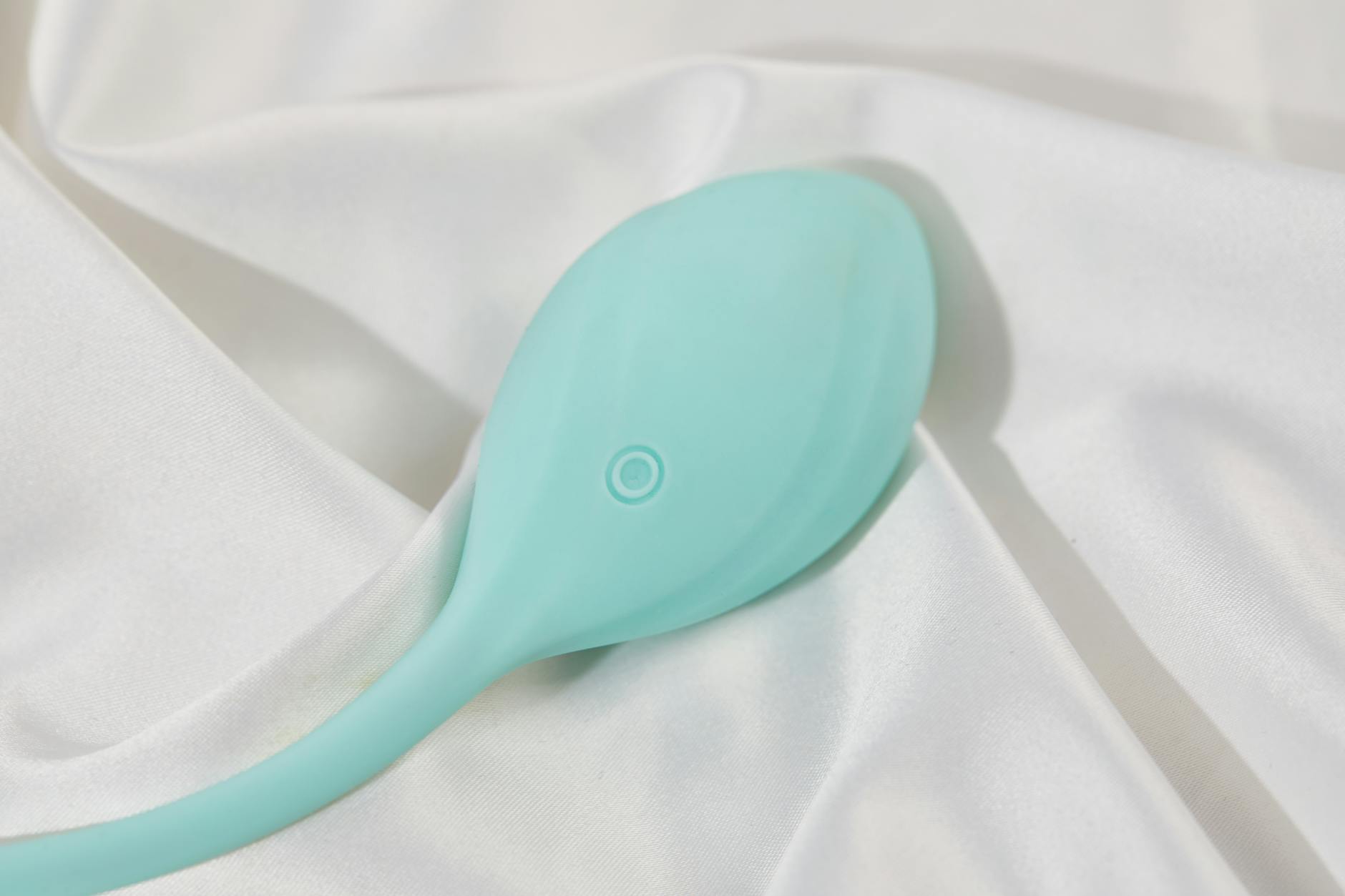
Photo by IFONNX Toys on Pexels
Getting started with clitoral vibrators
If you've been avoiding sex because of pain, jumping straight to a vibrator might feel like a lot. Here's how to ease in.
First, use the vibrator alone. No pressure, no performance, no partner watching. Get comfortable with how it feels, what speeds work for you, and how your body responds. Most people need 10 to 15 minutes of exploration before they find their rhythm. That's completely normal.
Start with low intensity. If you're using a lemon sucker like the Lem, begin on the lowest setting. You can always turn it up. Going too hard too fast either doesn't feel great or makes you tense up, which defeats the whole point.
Find your angle. Some people love direct clitoral contact. Others prefer stimulation on the side or over the hood. Move the vibrator around until something feels right. There's no wrong answer.
Don't expect an orgasm the first time. Some people come in five minutes. Others take weeks of exploration before their body feels safe enough to let go. Both are fine. The goal right now is just to feel pleasure without pain.
Using a lemon vibrator with a partner
If you have a partner, this is the conversation to have before you bring the vibrator to bed.
"I want to try using a clitoral vibrator because penetration hurts right now, and I want to feel good. This is about my body, not about you." That's the whole message. Don't soften it with apologies or explanations about whether he's doing something wrong. He probably isn't. Your body just has different needs right now.
Then actually use it together. Your partner can hold it while you guide them. They can watch you use it solo and then you can use it together during foreplay. They can be in the room or not. The structure is flexible, but the boundary is firm: penetration is off the table until you decide it's not.
This changes the entire dynamic. Instead of your partner trying to pleasure you while you're tensing up and bracing for pain, you're both focused on what actually feels good. That's way less stressful for both of you. And often, once pain stops being the main event, couples find their way back to penetration naturally. But that's a conversation for later.
Managing the mental piece
Pain during sex lives in your body, but it also lives in your head. After enough painful experiences, anxiety gets woven into the whole thing. Your pelvic floor tenses up before penetration even happens because your brain is already bracing for pain.
Clitoral stimulation gives your nervous system permission to relax. There's no threat. There's no pain waiting at the end. Just straightforward pleasure. That mental reset matters as much as the physical sensation.
But here's the honest part: if the pain is from trauma, vaginismus, or significant anxiety, a vibrator alone won't fix it. You'll probably benefit from talking to a pelvic floor physical therapist, a trauma-informed sex therapist, or both. They can help you understand what your body's protecting you from and teach you actual techniques for releasing the tension. A vibrator is an amazing tool within that process, not a replacement for it.
When to see a medical professional
If penetration pain is new, sudden, or getting worse, see a gynecologist. Pain that appears overnight could mean infection, injury, or a condition that needs treatment. That's not something to manage with a vibrator.
If pain is consistent but you're not sure why, a pelvic floor physical therapist can do an assessment and figure out whether it's muscle tension, tissue fragility, scar tissue, or something else. Treatment depends on diagnosis.
If penetration pain is tied to anxiety or trauma, a sex therapist or trauma therapist can help you work through the mental and emotional layers. You'd probably use a vibrator as part of that process, but the therapy is doing the real heavy lifting.
The pleasure part
Honestly though? The best thing about clitoral vibrators is that they just feel really good. The Lem and other lemon sexual toys are designed to stimulate the clitoris efficiently. You get consistent sensation, you control the intensity, and most people orgasm faster and more intensely than they do with any other method.
For people dealing with penetration pain, that's not just nice. It's liberation. Sex stops being something you're trying to survive and becomes something you actually want. Your partner gets to be with someone who's genuinely enjoying themselves instead of someone who's grinding their teeth and hoping it's over soon. Everyone wins.
Start with a vibrator. See what your body can do when pain isn't in the way. Then build from there.
Frequently asked questions
Can I use a clitoral vibrator if I have vaginismus?
Absolutely. Vaginismus is involuntary pelvic floor tension, which means penetration triggers the reflex. Clitoral stimulation doesn't require penetration, so it completely bypasses the problem. Many people with vaginismus find that using a lemon vibrator actually helps them relax because they're experiencing pleasure without the threat that usually comes before the pain.
Will using a vibrator make penetration better eventually?
Sometimes. When you stop associating sex with pain and start associating it with pleasure, your nervous system genuinely does relax. That makes penetration easier down the line. But you can't count on it. Some people use clitoral vibrators for years and never go back to penetration, and that's completely fine. Pleasure is the goal, not penetration.
Is it normal to need a vibrator to orgasm?
Yes. Orgasm requires specific stimulation at the right intensity and rhythm. Most people with vulvas need direct clitoral stimulation to come, which is what vibrators provide. There's nothing wrong with needing that. It's actually how your body is designed to work.
What if my partner feels threatened by a vibrator?
That's worth addressing directly. A vibrator isn't replacing him. It's solving a pain problem that his penis can't solve. The difference between "your penis hurts me" and "I need a different kind of stimulation" is real. If your partner can't separate his ego from your pain, that's a bigger conversation. But most partners are relieved when sex stops involving pain.
Can I use a lemon clitoral vibrator during my period?
Yes. Some people find that clitoral stimulation feels better during their period because the tissue is slightly more sensitive. Others prefer to wait. There's no rule. Listen to your body.
How do I know if my pain is physical or psychological?
That's genuinely hard to know on your own, which is why a pelvic floor physical therapist or gynecologist is helpful. But here's a clue: if you can orgasm with a vibrator but penetration hurts, the pain is likely physical or situational (not enough arousal, wrong angle, insufficient lubrication). If you can't orgasm at all and sex feels scary, anxiety might be woven in. Usually it's both. A professional can help you untangle it.