Your doctor explained side effects like headaches, nausea, and spotting. Probably didn't mention that the hormones stopping your ovaries from releasing eggs also affect how wet you get. But that's the trade-off. Hormonal birth control suppresses estrogen and shifts your overall hormone profile, and one of the consequences is less natural lubrication.
This isn't a sign something's wrong with you. It's not a dealbreaker for pleasure either. But pretending it doesn't happen is worse than acknowledging it and adapting.
Estrogen keeps vaginal and clitoral tissues plump, elastic, and primed to produce moisture. When you take hormonal birth control, your estrogen levels drop significantly. Your body isn't cycling through hormonal peaks and valleys anymore. Instead, you're on a steady, suppressed hormone level.
The result? Thinner vaginal tissue, less blood flow to the vulva, and reduced fluid production. Some people barely notice. Others find it genuinely frustrating.
The timeline varies. Some folks experience reduced lubrication within weeks of starting. Others take months to notice. And if you switch formulations, the dryness can improve or worsen depending on the progestin type and dose.
Here's what matters: this is predictable, manageable, and doesn't mean your pleasure capacity has shrunk.
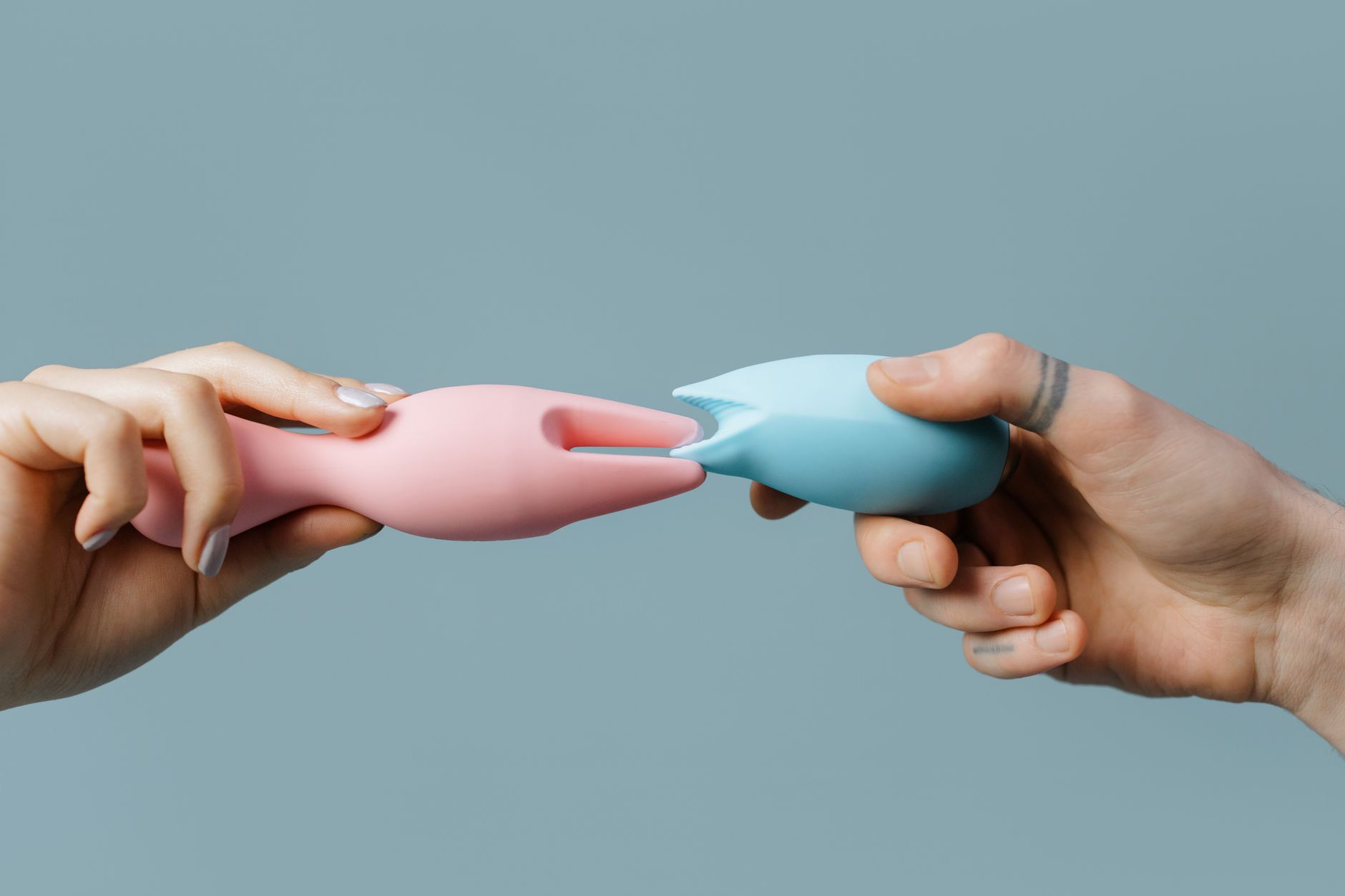
If you're used to penetrative sex or hand stimulation, you might assume dryness makes pleasure harder across the board. That's not quite how it works with clitoral suction vibrators like the Lem.
Clitoral stimulation doesn't require the same amount of lubrication that penetration does. Suction-based clitoral vibrators actually work better on slightly less-lubricated tissue because there's better contact between the silicone and your skin. No slipping. No need to keep reapplying lube every thirty seconds.
This is why people on hormonal birth control often find that switching from traditional vibrators to air-pulse or suction-style devices like lemon vibrators makes pleasure feel suddenly accessible again. You're not fighting friction. You're working with your anatomy instead of against it.
Yes, you should still use lubricant. But differently.
With penetration, you're adding glide. With clitoral suction, you're adding sensation and reducing friction. Water-based lube is your friend here. A small amount goes a long way because the suction creates its own seal.
The mistake people make is using too much. That breaks the suction effect. Start with a pea-sized amount on your clitoris before using your lemon vibrator, or apply a thin layer to the device's opening. If it feels slippery or the vibrations feel muted, you've used too much.
Silicone lube feels richer and lasts longer, but it can damage silicone toys over time. Stick with water-based. Your Lem will thank you.
Three things happen that make birth control dryness feel less relevant:
Suction creates its own micro-environment. The device creates a slight vacuum seal on your clitoris. This increases blood flow locally and creates natural lubrication inside that seal. You're not relying entirely on your body's baseline moisture production.
No friction means no discomfort. Traditional vibrators buzz directly against tissue. With dryness, that can feel uncomfortable or even painful after a while. Suction vibrators don't work through friction. They work through pulsation patterns. Completely different sensation, no friction burn.
Patterns matter more than power. When you have plenty of natural lubrication, you might enjoy a strong, direct vibration. With less moisture, the best lemon clitoral vibrators focus on rhythm and pattern variation rather than raw intensity. The Lem's pulse patterns are specifically designed for this. Start on pattern 1 or 2. Most people never need to go higher.
Here's what I recommend to people starting clitoral vibrators for the first time while on hormonal birth control:
Before you start. Spend 10-15 minutes on foreplay. Your body can still produce some natural moisture. You just need longer to get there. This matters because any baseline lubrication you create makes everything feel better.
Add lube intentionally. Water-based, pea-sized amount. Apply it to your clitoris or the device's opening. Not both. One is enough.
Begin at pattern 1. Don't start on the strongest setting just because you're worried it won't work. The gentle patterns on a quality lemon vibrator like the Lem are designed to build sensation. Let the rhythm do the work.
Adjust as you learn your body. After a few sessions, you'll know if you prefer starting gentle and building intensity, or if certain patterns feel better than others. Every person's anatomy responds differently. There's no universal "right" intensity.
Stay hydrated. Drink water regularly. Systemic dehydration makes everything drier, including vaginal tissue. This is especially true if you drink caffeine or alcohol regularly.
Birth control explains most of it. But sometimes decreased lubrication points to other factors worth addressing.
If you switched birth control formulations and the dryness got worse, talk to your doctor about trying a different pill or IUD. Some formulations have lower progestin doses that affect lubrication less.
If you're also experiencing pain during penetration, decreased libido across the board, or mood changes, those can all stack on top of the dryness and make pleasure feel genuinely inaccessible. This is worth discussing with a reproductive health specialist. Sometimes switching to a different contraceptive method entirely (IUD, barrier methods, non-hormonal options) resolves the issue.
If dryness came on suddenly and you haven't changed anything, it's worth ruling out other causes: stress, sleep deprivation, medications that affect moisture, or even just a shift in your cycle if you're on a pill with placebo weeks.
If you have a partner, they might notice the change in your lubrication before you do. Or you might be self-conscious about needing lube where you didn't before.
The framing matters. "My birth control changed my body's moisture level" is a fact. It's not something you did wrong. It's not a reflection of how attracted you are to them. It's a physiological side effect you're handling.
Most partners are relieved when you name it clearly. They stop wondering if something's wrong and start helping you figure out what works. That's when things actually get better.
If you're exploring solo pleasure while on birth control, you get to experiment without anyone else's expectations. That's actually an advantage. You can figure out exactly what pattern, intensity, and timing works for your body in that moment.
Clitoral vibrators like lemon sexual toys don't "fix" the dryness. Your body still produces less moisture. What they do is make pleasure feel accessible despite that change. You're working with your anatomy instead of fighting it.
Many people find that clitoral stimulation feels more satisfying when they're on hormonal birth control and using a quality suction vibrator than it did before. Not because the vibrator is magic, but because suction-based stimulation doesn't depend on friction or high levels of lubrication the way other methods do.
If you also struggle with other pleasure-related shifts on birth control, like delayed orgasms or decreased libido overall, those are separate conversations worth having with a doctor. But the lubrication piece? That's solvable with the right approach and the right tool.
No. When you stop taking hormonal birth control, your estrogen levels return to normal within days or weeks. Natural lubrication typically rebounds pretty quickly. Some people notice improvement within a cycle or two. Others take longer. It depends on your individual hormone patterns and what you switch to next.
Absolutely. In fact, suction-based clitoral vibrators often work better with lower lubrication than traditional vibrators do. You'll still want to use a small amount of water-based lubricant, but you won't need as much as you'd think. Start with a pea-sized amount and adjust from there.
That usually means one of three things: too much lube (which breaks the suction), starting on too high an intensity, or not enough foreplay beforehand. Try reducing the lube, starting on pattern 1, and giving yourself more time to warm up. If it still feels uncomfortable after a few tries, it might not be the right device for you, and that's fine. Every body prefers different stimulation.
No. Lots of people use lube for lots of reasons, regardless of birth control. Lubrication is just a tool. Using it doesn't mean your body is broken or your pleasure is less valid. It's like using sunscreen or moisturizer. You're adapting to what your body needs in that moment.
That depends on how bothersome it is and whether other side effects are also frustrating you. If dryness is the only issue and you're otherwise happy with your birth control, adapting with lube and a better device might be all you need. If it's compounded with mood changes, low libido, and other side effects, talking to a doctor about other options (different pills, IUDs, non-hormonal methods) is worth your time.
Clitoral suction vibrators in general work well when lubrication is lower because they don't rely on friction. The Lem is specifically designed with patterns that feel good on less-lubricated tissue and build sensation gradually. But there are other quality suction devices out there too. The key is choosing a clitoral vibrator that focuses on pulsation and pattern rather than intense direct buzzing.
If hormonal birth control has changed your lubrication and you've been avoiding pleasure because of it, you don't have to keep doing that. Clitoral vibrators like lemon toys are designed for exactly this situation. Water-based lube, time for foreplay, and the right device make a real difference.
If you're still figuring out what works for your body, or if dryness is compounded with other pleasure-related shifts, let's talk about it. Understanding your body's needs during this phase of your life matters. Pleasure matters. You deserve both.
American College of Obstetricians and Gynecologists. (2023). "Hormonal contraception and vaginal health." ACOG Clinical Guidelines.
Graziottin, A., & Serafini, A. (2009). "HPV infection in women and role of hormonal contraceptives." Gynecological Endocrinology, 25(3), 149-163.
Wiegel, M., Meston, C., & Rosen, R. (2005). "The female sexual function index: A multidimensional self-report instrument for the assessment of female sexual function." Journal of Sex & Marital Therapy, 31(2), 125-139.