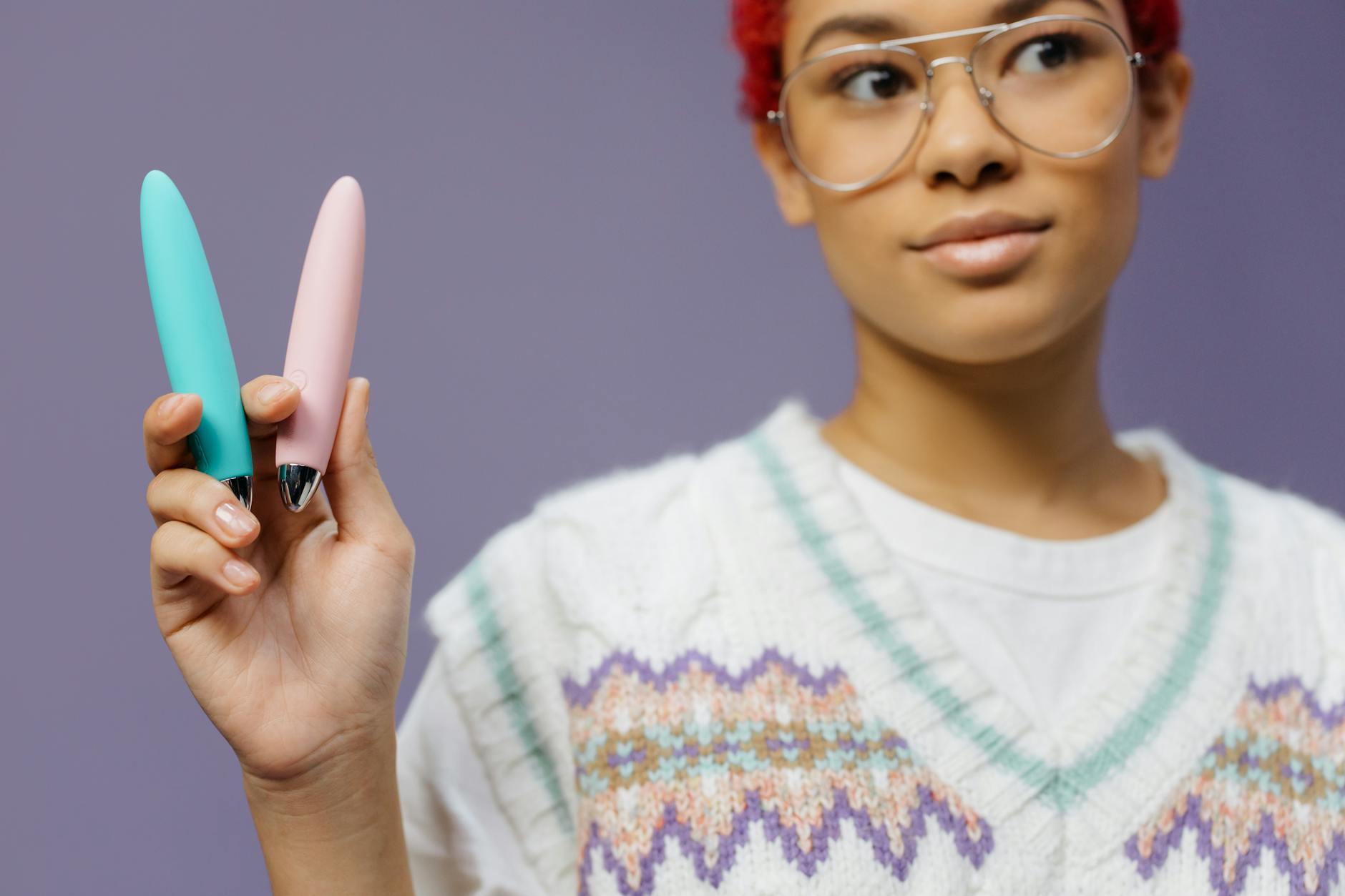
The thing no one warns you about
Lubrication doesn't just disappear overnight. It dries up gradually, and the first place you notice it is usually mid-pleasure, when you expect things to be flowing and they're not. If you've been using clitoral vibrators the same way for years, suddenly they feel too intense, or the sensation goes flat. The instinct is to blame the toy. It's usually not the toy.
This shift happens for real, biological reasons. Estrogen supports vaginal tissue thickness and natural lubrication. As estrogen drops in perimenopause, menopause, or just from aging, that tissue thins and dries. Your vulva produces less of its own moisture. And if you're on certain medications, dealing with stress, or managing health conditions, lubrication can drop even more. The good news: this is completely manageable, and lemon vibrators are actually ideal for adapting to it.
Why dryness changes the feel of lemon vibrators
The Lem and other clitoral sucking toys work through gentle suction and pulsing patterns. That design means they're already gentler than traditional vibrators on direct friction. But when natural lubrication decreases, several things shift.
First, the suction sensation becomes more pronounced because there's less cushioning between the toy and your skin. Some people find this incredibly intense in a good way. Others find it uncomfortable or even painful if the tissue underneath is sensitive or thinned.
Second, without moisture, the toy can sometimes lose its seal or feel grabby instead of smooth. That breaks the rhythm and kills the moment.
Third, and this is worth knowing: your clitoral tissue itself changes with less estrogen. It can become more sensitive in some spots and less responsive in others. So the patterns that worked at 35 might feel completely different at 50.
The solution isn't to stop using lemon vibrators or clitoral vibrators generally. It's to work with your body's new reality instead of against it.
The lube question: which ones actually work
Lubricant isn't optional once dryness sets in. It's a fundamental part of the setup, like the toy itself. But not all lubes are created equal, especially with silicone toys.
Water-based lubricants are your safest bet with the Lem and other silicone lemon vibrators. They won't degrade the material, they're easy to reapply, and they rinse off completely. Brands like Hyalo Gyn, Sliquid, or even basic water-based options work fine. Apply generously. You want more than you think you need.
Silicone-based lubes feel richer and last longer, but they'll break down silicone toys over time. If you're using a silicone lemon sucker, skip them entirely.
Hyaluronic acid serums are worth trying if standard lube feels too thin. They're thicker and mimic natural lubrication more closely. They won't damage silicone, and they feel less clinical. Apply it first, then use water-based lube on top if you need extra glide.
One thing I recommend: keep your lube in the bedroom, not in the bathroom. Cold lube is unpleasant. Room temperature feels so much better.
The technique shift that actually matters
When you have plenty of natural lubrication, you can press harder, move faster, and your body absorbs some of that pressure. When you don't, the same technique can feel raw or uncomfortable.
Start with lower intensity settings on your lemon vibrator. If the Lem has pattern 1 through 5, begin at 1 or 2. Your goal isn't maximum sensation immediately. It's to wake up the nerves and build arousal gradually.
Focus on the outer edges of your clitoris before the direct center. When tissue is dry, the direct point can feel too sharp. Coming at it from the sides, or using the suction on surrounding tissue first, builds arousal without the shock.
Take longer to warm up. This isn't laziness. This is biology. Without estrogen supporting blood flow to the area, arousal takes longer to build. Budget 20 to 30 minutes instead of 10. Use your fingers, a partner's touch, or just time with the vibrator on the lowest setting. Patience rewires your nervous system and changes how the rest of the experience unfolds.
Don't press the toy hard against your body. Let it do the work. The suction in a lemon clitoral vibrator means you don't need to apply pressure. In fact, pressing too hard creates friction instead of the smooth sensation the toy is designed for. Gentle contact, then let the suction pull slightly. That's the rhythm.
The bigger picture: is it just dryness?
I ask my clients this question all the time, and the answer matters. Decreased lubrication can coincide with other hormonal shifts that also affect pleasure. Lower testosterone means desire might take longer to kick in. Thinned tissue means sensation feels different. Pelvic floor tension, which often increases with stress and age, can make everything feel tighter.
If you're adding more lube but things still feel off, it might be worth checking whether one of those other pieces is in play. A good menopause-trained GP can run hormone panels. A pelvic floor physical therapist can assess tension. Neither is overkill. They're information. And information changes what you do next.
Sometimes the answer is topical hormone cream. Sometimes it's relaxation work. Sometimes it's all three: lube, technique adjustment, and one other intervention.
Solo use versus partnered use
When you're using lemon vibrators or any clitoral vibrator alone, you control everything. You know how wet you are, how sensitive you feel, and you can adjust instantly. You're the expert on your own body.
With a partner, communication becomes essential. Your partner might not realize lubrication has changed. They might still expect the same intensity or rhythm. The conversation doesn't have to be clinical. "I need more lube today" or "Can we go slower right now?" is enough. If your partner understands that this is about working with your body, not a reflection on attraction or desire, the adaptation usually feels easy.
Many couples find that adding lube actually improves partnered sex. It removes friction and pressure, making sensation softer and longer lasting. For some, that's even better than what came before.
When to consider other interventions
Lube and technique adjustment solve most dryness issues. But if you're dealing with persistent pain, significant tissue thinning (genitourinary syndrome of menopause, or GSM), or dryness that's severe enough to affect daily life, don't wait. Vaginal estrogen creams like Premarin or Estradiol work quickly and have minimal systemic absorption. They're prescribed easily and change the experience in weeks.
If dryness is tied to medication side effects, sometimes switching timing or dosage helps. If it's stress-related, addressing sleep or anxiety can actually improve lubrication more than you'd expect.
The point: dryness is treatable. It doesn't require accepting less pleasure.
FAQ
Can I use lemon vibrators if I have severe vaginal dryness?
Yes, but with lube and lowered intensity at first. The gentle suction design of toys like the Lem means they're actually easier on dry tissue than traditional vibrators. Start slow, use plenty of water-based lube, and give yourself longer warm-up time. If pain appears, stop and consider topical hormone cream from your GP.
How often do I need to reapply lube during use?
It depends on the lube and your body. Water-based lube tends to dry out or get absorbed within 15 to 20 minutes. Keep it nearby and reapply as needed without shame. Some people reapply two or three times during a session. That's normal and fine.
Does using lemon vibrators with lube feel different than without?
Completely. With lube, sensation is smoother and less sharp. The toy glides instead of grabbing. It feels more like the toy is part of your body's experience rather than something pressing against it. Most people prefer it once they adjust.
Will using lubricant while using a clitoral vibrator affect my natural lubrication long-term?
No. Using lube doesn't suppress your body's natural lubrication. It supplements it. In fact, some people find that consistent use of lube and pleasure practice actually encourages more natural lubrication over time because you're increasing blood flow and arousal regularly.
What if I'm allergic to most lubricants?
Try hyaluronic acid serums first. They're less likely to trigger reactions. You could also test patch any new lube on your inner arm first. If sensitivity persists, your GP can refer you to an allergist or a gynecologist who specializes in vulvar sensitivity. It's rare, but it's treatable.
Can I combine lube with other products like estrogen cream?
Yes. In fact, many people use topical estrogen cream a few nights a week, then add water-based lube on top when they're using toys. The combination often works better than either alone. Check with your GP about timing, but generally there's no interaction issue.
The reality
Decreased lubrication is one of the most common reasons people think their pleasure is ending. It's not. It's shifting. Lemon clitoral vibrators, combined with the right lube and a patient approach, often deliver some of the most satisfying sensations people experience. Your body isn't broken. It's just asking you to pay attention, adjust, and keep going. You deserve pleasure at every age.