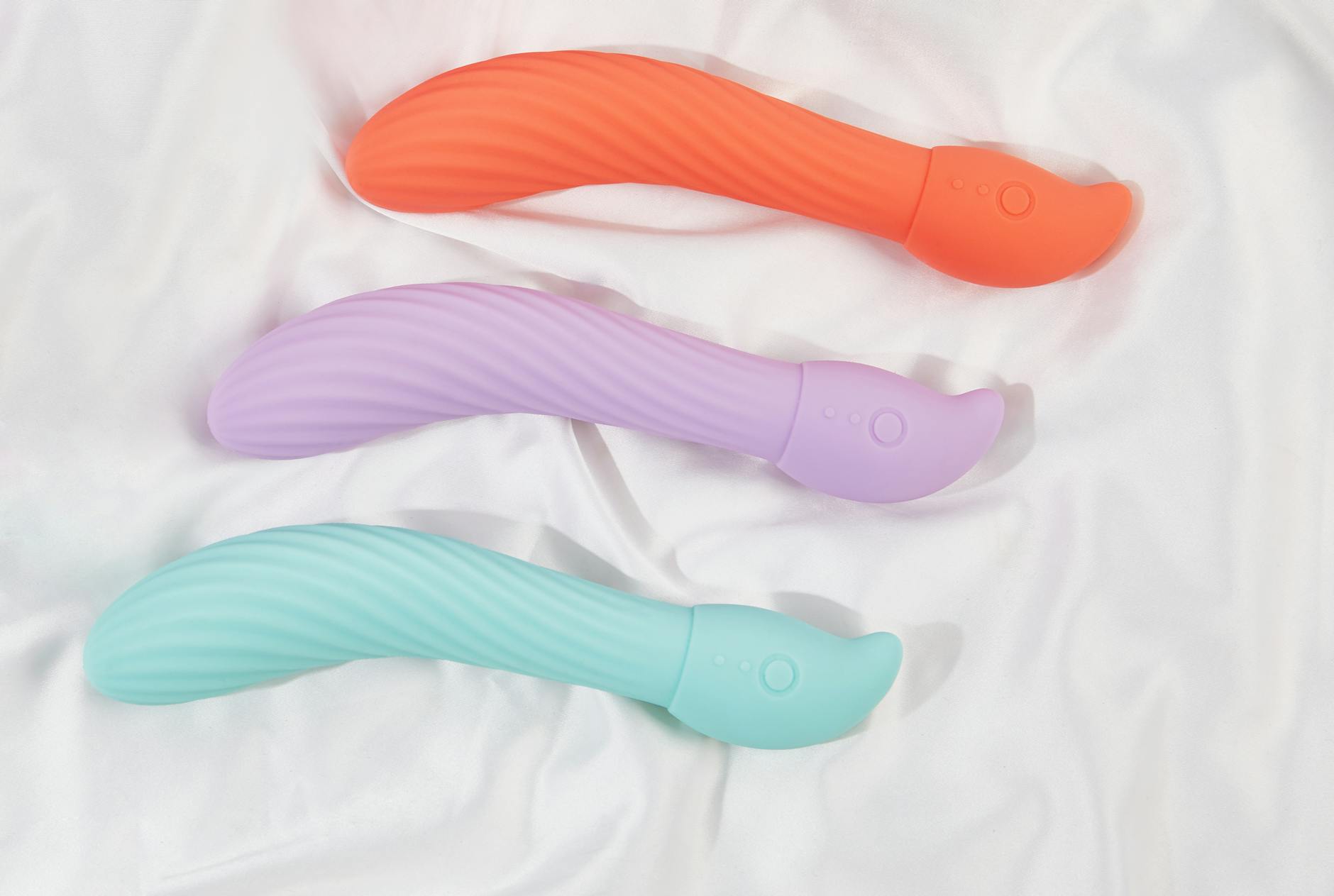
How to Use Lemon Vibrators When Estrogen Drops in Perimenopause
Let's be real. Perimenopause doesn't announce itself with a marquee. It whispers through hot flashes, weird sleep, and one day you notice arousal takes longer. Sometimes way longer. The clitoris that responded to a breeze now needs actual attention.
This isn't permanent decline. It's transition. And it's the exact moment when lemon clitoral vibrators become smarter than traditional buzzers.
Here's what actually happens when estrogen starts its slow fade into perimenopause, and why your pleasure doesn't have to fade with it.
What estrogen actually does to sensation
Estrogen doesn't just regulate your cycle. It's a major player in blood flow, nerve sensitivity, lubrication, and how quickly arousal builds. When estrogen begins to drop in perimenopause, tissue thins slightly. The vulva gets less blood flow during arousal. The clitoris feels different under your fingers.
This is not broken. This is different.
Many people describe perimenopause arousal as flatter at first. Less spontaneous. Orgasms feel less intense, or they take longer to build, or they plateau in a way that's frustrating after decades of knowing your own body.
The temptation is to assume you've lost capacity. You haven't. You've just shifted how your nervous system responds to stimulation. The neural pathways are intact. The clitoral nerve density hasn't changed. What has changed is speed and consistency of blood flow.
This is where the lemon vibrator's design becomes genuinely useful instead of just nice to have.
Why suction changes the game in perimenopause
Traditional vibrators rely on mechanical oscillation. They buzz at a consistent frequency, and your tissue needs to be engorged enough to feel that buzzing as pleasure instead of numbness.
Lemon vibrators like the Lem use air-suction technology. They don't vibrate. They pulse suction around the clitoris in patterns that simulate oral sensation. This matters in perimenopause because suction creates sustained sensation that doesn't depend on tissue engorgement the way vibration does.
Translate that into real terms: you get pleasure faster, with less arousal buildup required, because suction stimulates nerve endings directly without needing the tissue to swell as much first.
I've had clients in perimenopause report that they switched from traditional vibrators to lemon suction toys and suddenly orgasms came back to intensity they thought they'd lost. Not because the toy is magic. Because the mechanism matches what their body can do right now.
The three timing shifts that matter
Perimenopausal bodies follow different timelines. Recognize them and you stop fighting.
Warm-up takes longer now. Plan for 20 to 30 minutes instead of 10. This isn't failure. This is how your arousal works when estrogen is lower. Build it into the plan. When you stop resisting this timeline and work with it, intensity actually comes back.
Plateau duration changes. You might hit a point where sensation feels stable but doesn't quite tip into orgasm. This used to happen for 2 minutes max. Now it might be 5 or 8. When using a lemon clitoral vibrator, this is your moment to shift patterns. The Lem has multiple settings. Move through them. Don't stay in one pattern waiting for the old crescendo.
Recovery between orgasms shifts too. If you used to be able to have multiple orgasms back to back, the spacing probably stretches out now. That's not less pleasure. That's different sequencing. Solo exploration actually helps you map this new pattern without partner pressure.
Using the Lem through the perimenopause window
When you're starting to notice estrogen is dropping, here's what I recommend.
Start with pattern 1 or 2. Not because you're fragile, but because lower estrogen means tissue is slightly less engorged. Gentler initial contact prevents the sensation from feeling overwhelming or numb.
Lubricate even if you think you don't need it. Water-based lubrication helps the suction mechanism engage more effectively and protects thinner tissue from micro-abrasion. This isn't a sexuality issue. It's a mechanical one.
Spend 5 to 10 minutes on lower settings before moving up. This gives your body time to build arousal, blood flow to arrive, and sensitivity to peak. Then escalate through patterns.
If sensation feels muted, slow down instead of ramping up. The instinct when something doesn't feel strong enough is to turn it up. With perimenopause estrogen changes, sometimes the opposite works better. Slower pulses, longer contact, less movement. Your nervous system catches up.
Track what works. Keep a simple note of which patterns, which settings, which timing windows feel best. Perimenopause changes week to week sometimes. What worked brilliantly last week might feel off this week as hormone fluctuations continue. This tracking takes two weeks and gives you a map.
The emotional piece that nobody talks about
Perimenopausal bodies don't just feel different physically. They feel different emotionally. Arousal can feel less automatic, which can trigger anxiety or frustration. You might second-guess yourself. "Is this normal?" "Am I broken?" "Will it come back?"
Yes, it's normal. No, you're not broken. And yes, it comes back, often more satisfying than before because you're not running on autopilot.
The shift is real enough that some people benefit from reclaiming pleasure as intentional rather than spontaneous. That sounds like loss but often feels like gain once you're in it. Intention removes the performance pressure. You're not waiting to feel turned on spontaneously. You're choosing arousal.
A lemon clitoral vibrator actually supports this reframe because it's so effective at building sensation from a lower baseline. It works with your body's current capacity instead of asking your body to feel like it did when estrogen was higher.
When to check in with your doctor
If arousal changes come with pain, that's worth mentioning to your GP. Perimenopause can bring slight changes in lubrication and tissue thickness, but it shouldn't hurt. Genitourinary syndrome of menopause (GSM) is treatable if it develops.
If hot flashes are interfering with your ability to relax into arousal, or if mood changes are tanking your desire, your doctor might suggest checking hormone levels or discussing treatments that help with the whole picture, not just sex.
This isn't about jumping straight to hormone replacement. It's about knowing what tools exist and making informed choices.
Solo exploration as a perimenopause tool
There's something valuable about exploring your changing body alone before (or without) partner involvement. Solo time with a lemon vibrator lets you learn your new arousal timeline, discover which patterns feel best, and rebuild confidence in your own pleasure without anyone else's expectations in the room.
I recommend at least two weeks of solo exploration, one to three times per week, before assuming anything is wrong or that you need to "fix" things with a partner.
FAQ: Lemon Vibrators and Perimenopause
Can I use the same lemon vibrator I used before perimenopause?
Yes. The toy doesn't change. What changes is how you use it. Lower settings first, longer warm-up, more lubrication. The Lem works beautifully in perimenopause when you adjust expectations around speed and intensity.
Will my orgasms feel the same?
Likely not immediately. But many people report that perimenopause orgasms, once they rebuild, feel different in ways that are actually richer. Less reflexive, more intentional. This takes time though. Six to eight weeks of consistent exploration is typical before you feel the new normal.
Should I use pattern 1 forever or eventually move to higher settings?
Start at 1 or 2 for the first two weeks. Then experiment. As your body adjusts to hormonal transition and you get more blood flow and tissue engagement, you'll naturally move through higher settings. There's no "forever" rule. Some days pattern 3 feels right. Some days you stay at 2. That's normal.
Does perimenopause arousal ever go back to how it felt before?
Not exactly. Estrogen levels are lower now, so the baseline shifts. But intensity and pleasure capacity usually return once you stop fighting the new timeline. Many people find their 40s and 50s bring orgasms that feel more powerful than before, just built differently.
What if nothing feels good anymore?
If you've given it eight weeks with consistent exploration and nothing is shifting, check in with your doctor. Sometimes there's another factor at play. Thyroid changes, other hormone shifts, medication side effects, relationship stress. A good GP trained in menopause care can help you sort what's hormonal from what's something else.
Can I use a lemon vibrator with my partner during this transition?
Absolutely. The conversation just needs to happen first. "My body is responding differently to arousal right now, and I want to use this tool to help me build sensation. This isn't about you. It's about me learning my new body." Most partners are relieved to have something concrete to work with instead of guessing.
The thing about transitions
Perimenopausal bodies aren't broken versions of younger bodies. They're bodies in transition, learning a new operating system. A lemon clitoral vibrator isn't a patch for that transition. It's a tool that works with how your nervous system is functioning right now, not against it.
Your pleasure matters as much at 45 as it did at 25. It just looks different. And sometimes, when you stop fighting the difference and start exploring it, it feels better.
If you're navigating perimenopause shifts and want to talk through what's happening in your relationship or your body, let's connect. Reach out to Hello Nancy and we can figure out what you need.