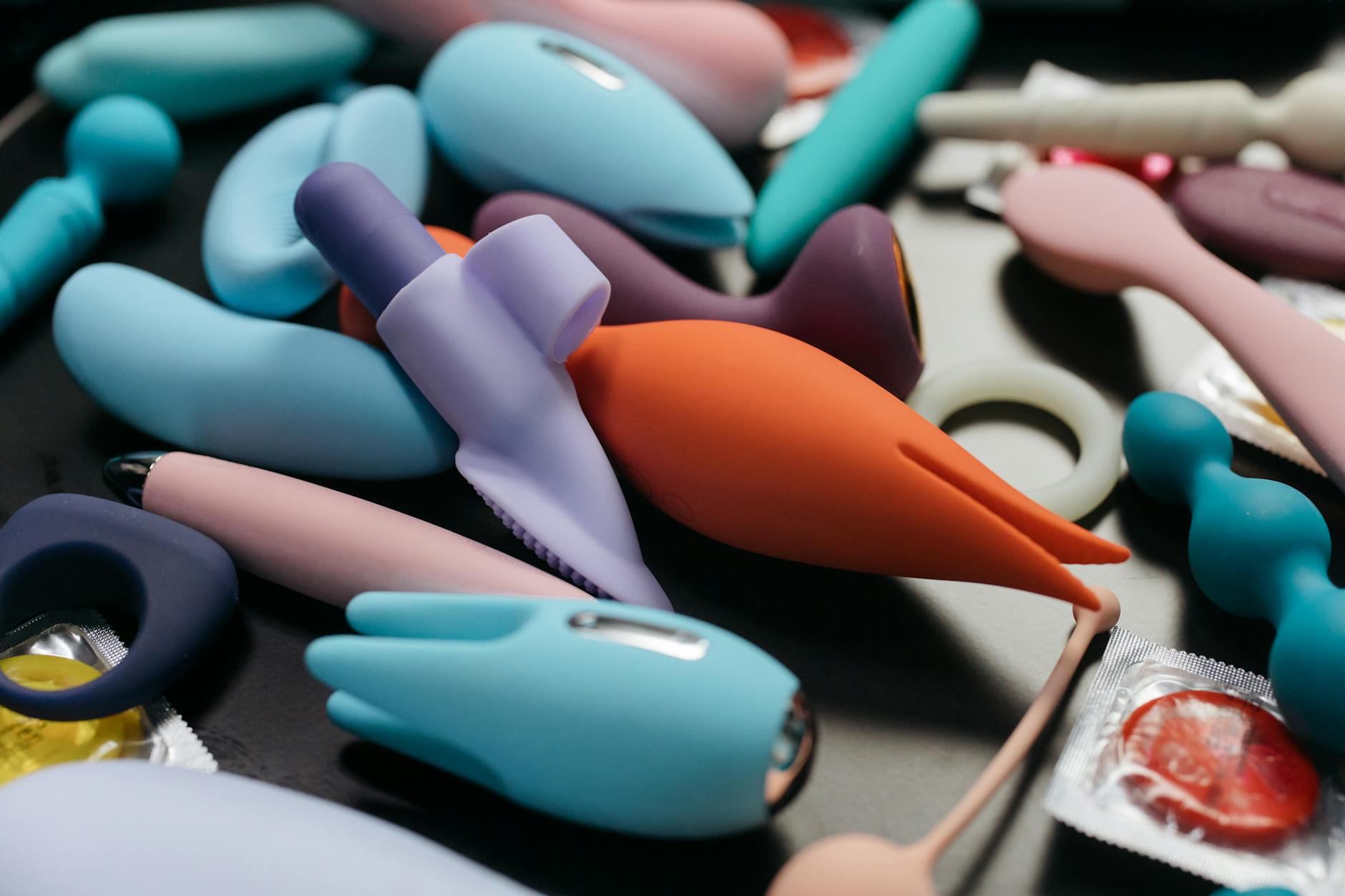
Emotional distance kills sex. Not the desire for sex, exactly, but the wanting sex with this person part. You can scroll through ads for lemon vibrators all day, add them to your cart, read reviews. But if the person in your bed doesn't feel safe or close or truly seen by you anymore, arousal gets weird. Your body knows. It stops cooperating.
Here's the contradiction: we treat physical disconnection and emotional disconnection like separate problems. We don't. They're the same problem wearing different clothes. And here's where it gets interesting. Tools like clitoral vibrators aren't a band-aid over emotional distance. When used with intention, they can actually be the bridge that rebuilds it.
Emotional distance doesn't require a fight or betrayal. It grows quietly. It's a partner who stops asking how your day actually went. It's months of logistics instead of conversation. It's sex that happens on schedule, not desire. It's the slow erosion of knowing each other.
Then arousal stops. And the couple assumes it's a physical problem. Hormone levels. Stress. Medication. All real. But often? The body's shutting down because the emotional intimacy dried up first.
With women especially, the research is clear: emotional safety precedes physical arousal. Your nervous system needs to feel secure before your body releases the chemicals that allow pleasure. A lemon clitoral vibrator can't create that security alone. But it can create a context where you rebuild it.
When you and your partner slow down to be present with a clitoral vibrator, three things shift simultaneously.
First: attention redirects. You're not checking your phone. You're not planning tomorrow. You're not rehearsing a fight from three days ago. You're here. Both of you. That presence alone rewires the nervous system. Your partner isn't a person who's been distant. Your partner is someone choosing to show up for your pleasure.
Second: vulnerability returns. Pleasure is vulnerable. Letting someone watch you feel good, letting them help you come, requires a specific kind of trust. When you can do that again, even if it's awkward at first, the emotional walls come down. Vulnerability is connection. Your brain and body know the difference between performing and actually being present.
Third: novelty matters. Using a lemon sucker or lem vibrator with your partner isn't the same as solo play. It's unfamiliar. It requires communication. "Is this good?" "Do you like it here?" That conversation, that coordination, that curiosity about each other's bodies. That's intimacy building in real time.
Let's be real. If emotional distance exists, suggesting a vibrator can feel risky. Your partner might think you're saying they're not enough. Or you might feel self-conscious. Here's what works.
Separate the conversation from the tool. Don't lead with "I bought a lemon vibrator." Lead with "I miss being close to you. I want to explore what feels good for both of us again." The vibrator is the how, not the why. The why is connection.
Use it solo first, if needed. Let your partner see you enjoying a clitoral vibrator on your own. Not as a performance, but as you taking your pleasure seriously. This does two things. One: it normalizes the tool. Two: it shows your partner that you're not outsourcing your pleasure, you're expanding it. There's a difference.
Start with lower intensity. The Lem and other lemon adult toys excel at this because they use suction and air-pulse patterns rather than just vibration. Lower settings let you rebuild sensitivity and awareness of your body without the intensity that can feel clinical or disconnected. You're rediscovering pleasure together, not chasing it.
Set a boundary that doesn't feel like rejection. "I want us to spend time together on this, but I'd like it to be when we're not stressed or rushed." That's not "no." That's "yes, but with intention." Emotional distance often lives in the spaces where we're treating intimacy like it fits between errands. It doesn't.
Over weeks, things shift. The partner who was distant starts asking what you liked. You start paying attention to their breathing, their responses. You laugh when something doesn't work. You try something different. You stop performing and start being. Lemon clitoral vibrators become less about the device and more about the permission structure they create. Permission to slow down. Permission to want. Permission to be known.
Then, something that seemed broken starts working again. Not because you added a toy, but because the emotional foundation came back first. The toy was just the vehicle. The real work was showing up with attention.
If emotional distance is entrenched. If your partner actively resists intimacy or shuts down conversations about connection. If there's infidelity or betrayal underneath the surface. A vibrator isn't therapy. A lemon sexual toy can't fix a relationship that needs actual repair.
That's when you need a couples therapist. Not because your relationship is broken beyond repair, but because rebuilding emotional safety sometimes requires a trained guide. I've seen it work. Couples who thought they were done, who'd been sleeping in separate rooms, who hadn't had sex in years. They came back. But they needed help. If that's you, that's okay. It's not failure. It's honesty.
Emotional distance doesn't mean you stop loving someone. It means you stop liking being with them in that specific way. That can reverse. It takes intention, presence, and permission to explore again. Sometimes that permission comes in a small yellow package shaped like a lemon. Sometimes it comes from your partner finally asking how you actually want to be touched.
No, but it can create the conditions for you to rebuild it. A lemon vibrator isn't therapy. It's a tool that gives you permission to be present and vulnerable together. That presence is where connection returns. The device is just the opening.
No. Honesty about pleasure matters. If you've been using one solo and haven't told your partner, bringing it into shared intimacy without context can feel like a secret. Start with "I've been exploring what feels good" and go from there. Transparency builds trust. Trust builds connection.
Frame it as exploration together, not as something your partner is failing to provide. Say something like "I've been curious about how this feels" or "I want us to try something new together." Emphasize curiosity and teamwork, not lack. Your partner's job isn't to be your only source of pleasure. Your partner's job is to show up with you.
Then you have a boundary mismatch, which is a real relationship issue. Some people have beliefs about vibrators that aren't about you. Some people feel threatened. Some people genuinely aren't interested. You get to want what you want. Your partner gets to have limits. When those don't overlap, that's a conversation worth having, possibly with a therapist.
There's no "should." What matters is intentionality. If it happens once a month but you're both present and connected, that's better than once a week on autopilot. Start with whatever rhythm feels natural. Let it evolve. If you're checking off boxes, you're missing the point.
Yes, if you're using it to avoid talking. If you're using it as a substitute for the hard conversations you actually need to have. If your partner feels pressured. A lemon vibrator works best when it opens a door to connection, not when it's a distraction from disconnection. Be honest about what you're actually trying to accomplish.
Emotional distance and sexual disconnect are symptoms of the same problem. You've stopped knowing each other. You've stopped wanting to. Intimacy requires vulnerability, and vulnerability requires safety. When you lose one, you lose the other. Tools like lemon adult toys can remind you what pleasure together feels like. But the real work is remembering why you wanted to be close in the first place. If you're ready to do that work, your partner is worth asking. If you're not sure where to start, reach out. Sometimes having someone else hold the space while you figure it out makes all the difference.