Let's talk about what actually changes
Here's what nobody tells you: arousal doesn't disappear as you get older. It shifts. The pathway gets longer. Your body needs more time, more attention, sometimes different kinds of touch. And that's not a problem to fix. It's information.
My clients in their 40s, 50s, and beyond often report the same frustration: "It used to happen in seconds. Now I'm lying here for ten minutes waiting to feel anything." Then they panic, assume something's broken, and shut down. That reaction is the real issue.
The physical part is straightforward. Estrogen declines. Blood flow to the genitals changes. Nerves become less responsive to immediate stimulation. These are measurable, predictable shifts. They're also completely workable once you know what you're dealing with.
Why slower arousal isn't a failure
Honestly, the old way of thinking about arousal is pretty flawed anyway. We've been taught to treat arousal like a light switch: off or on. In reality, it's a dimmer. And at every age, that dimmer works best when you actually adjust it instead of flipping it and hoping.
The difference is that younger bodies often tolerate rushed arousal. Older bodies reward you for patience. You actually get more sensation, more satisfaction, sometimes more intense orgasms when you spend time building.
That's not compensation. That's an upgrade.
The role of lemon clitoral vibrators in slower arousal
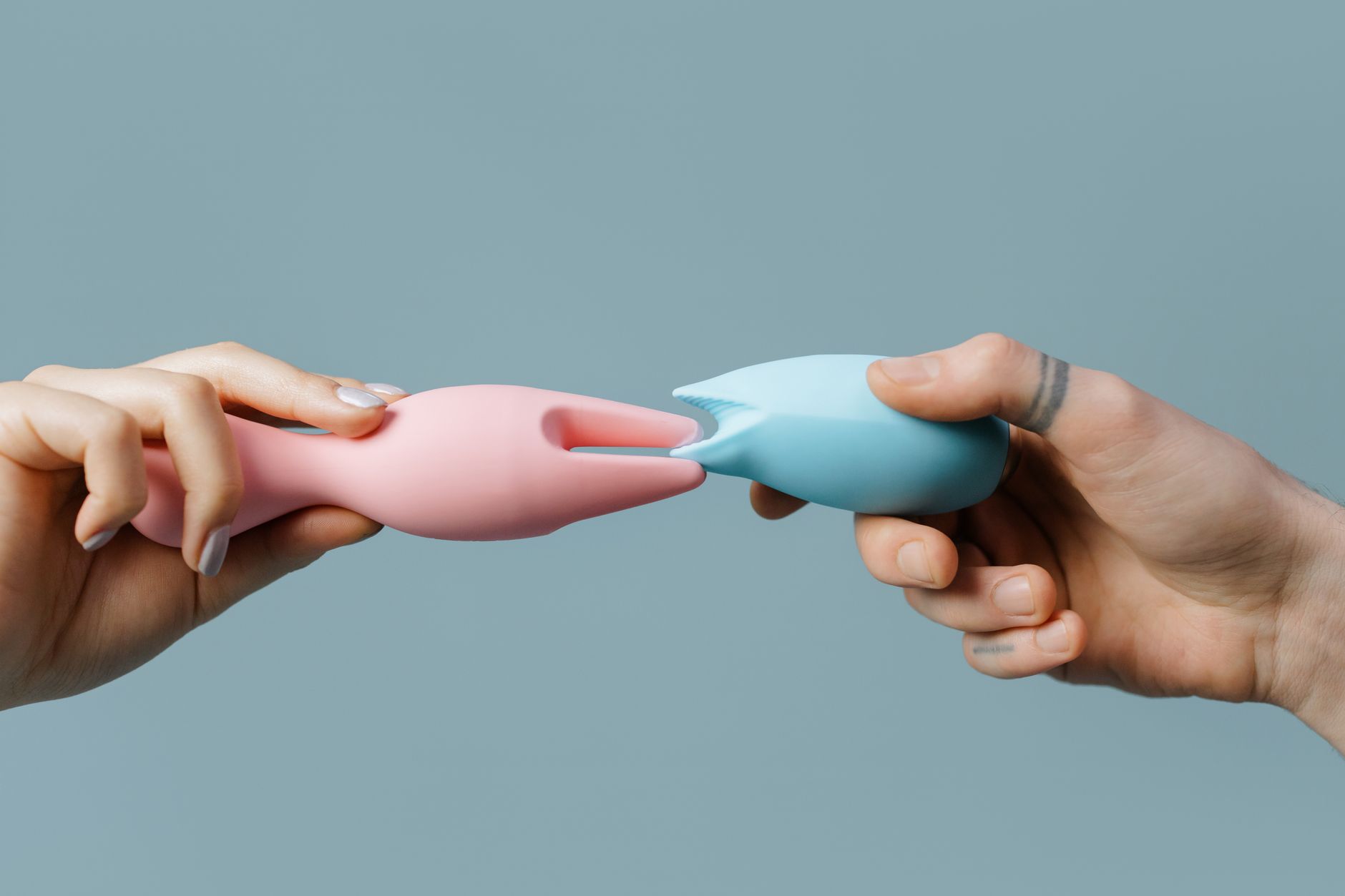
Here's where a lemon vibrator changes the equation. Vibration does something your hand, or even your partner's hand, may not do well: it provides consistent, targeted stimulation that doesn't depend on strength, stamina, or perfect pressure.
When arousal is slower, you need a tool that works for extended sessions without fatigue. Vibrators like the Lemon are engineered precisely for this. You can use them at lower intensities for longer periods, then gradually increase patterns as sensation builds. No hand cramps. No stopping to rest. No apologies.
The suction-based design of a lemon sexual toy is particularly useful here because it stimulates through gentle pressure and rhythm rather than direct friction. For bodies where tissue sensitivity changes with age, this makes a real difference in comfort and pleasure.
Practical timing: how long is actually normal now
Let me give you real numbers so you stop second-guessing yourself.
In your 20s and 30s, the research shows arousal can spike in two to five minutes. By your 50s and 60s, twelve to twenty minutes is completely normal. This isn't a decline. It's a different pace. And when you stop fighting it, you actually experience more sustained pleasure overall.
So here's what I tell clients: budget time. Not "squeeze this in between dinner and sleep," but actual dedicated time. Twenty to thirty minutes. Go into it knowing you have space to warm up gradually. Remove the clock-watching anxiety that sabotages everything.
Layer your approach for deeper arousal
Slower arousal doesn't mean you need to do more. It means you need to do things more deliberately.
Start with what I call the "pre-vibrator window." Ten minutes of something that feels good but doesn't have to lead anywhere. A bath. Reading something that turns you on. Your partner's hands, no pressure to escalate. Then introduce the lemon vibrator at the lower pattern settings, the ones you might have skipped over in your 30s.
This isn't foreplay in the old sense. It's honoring what your body actually needs to access pleasure. There's a difference, and it matters.
The partner conversation that changes everything
If you're with a partner, this is where miscommunication happens. They're trained to expect rapid arousal. You're frustrated that yours is slower. They think you're less interested. You think they don't understand your body. Everyone gets quiet.
<a href="/blog/how-to-use-a-lemon-vibrator-when-your-partner-doesnt-know-how-to-ask-for-toys">Having a conversation about lemon vibrators when your partner hasn't brought them up</a> is part of this. But the bigger conversation is about timing. "Here's how my arousal works now. Here's what helps. Here's the time I need." Not as apology. As fact.
A lemon clitoral vibrator becomes a tool you both understand together. Not a replacement for them, but an honest acknowledgment that your body has different needs now, and you're willing to show up for yourself.
Sensitivity changes and what helps
Sometimes slower arousal comes with reduced sensitivity. The clitoris has fewer nerve endings responding as quickly as they used to. Other times arousal is just slower but sensation is as intense or more so once you get there.
The tool adapts either way. If sensitivity has genuinely decreased, you might use the higher pattern settings on a lemon adult toy to get the same nerve stimulation. If you're just slower to warm up, the lower settings let you build gradually without overwhelming sensation.
There's also a mental piece here. If you've spent years worrying your body is broken, your nervous system stays vigilant, ready to prove it. <a href="/blog/how-to-use-lemon-vibrators-when-sensation-feels-numb-after-anxiety-medication">Anxiety and medication can affect arousal as much as age does</a>, and sometimes they're all happening at once. A vibrator lets you focus on sensation without the cognitive load of "Is this working? Why isn't this working? Am I broken?" You can just feel what you feel.
Building anticipation between sessions
Here's something that happens naturally with slower arousal if you let it: anticipation becomes part of the pleasure.
When arousal can't be instant, you start looking forward to sex differently. You think about it during the day. You notice desire building gradually. That wasn't possible when everything was supposed to happen in ninety seconds.
Some of my clients report that introducing a lemon vibrator actually rekindled desire they thought was gone because they stopped treating sex like a sprint. It became something they wanted rather than something they felt obligated to perform.
Solo exploration as the foundation
If you're rediscovering your body's timeline, solo time with a lemon clitoral vibrator teaches you more than anything else can. You learn exactly how long your arousal takes. What patterns feel best. When sensation intensifies. What your actual rhythm is, not what you think it should be.
Then you bring that information to partnered sex. "This is how I work now. These are the patterns I respond to. This is my timeline." Information changes everything.
When to check in with a professional
If arousal is slower and you're also experiencing pain, loss of lubrication you can't address, or completely absent desire, talk to a gynecologist or menopause specialist. Some of this is age, some might be medication, some might be treatable medical changes.
You deserve to know which is which.
The reframe that matters
Slower arousal isn't something wrong with you. It's your nervous system being honest about what it needs. A lemon vibrator is just a tool that respects that honesty instead of fighting it.
You have decades of pleasure ahead. The arousal timeline is just different now. Work with it, not against it. Your body will thank you.