The anxiety trap nobody talks about
Anxiety doesn't just make you worry. It literally hijacks the neural pathways that allow your body to feel pleasure. Your sympathetic nervous system kicks in (fight-or-flight mode), and your parasympathetic system (the one responsible for arousal and relaxation) gets locked out. So you can be attracted to someone, want to be intimate, and still find your body completely unresponsive. It's not a character flaw. It's neurobiology.
The frustrating part is that trying harder makes it worse. The more you focus on "Why can't I feel this?", the deeper anxiety digs in. You're caught in a feedback loop: anxiety blocks sensation, you panic about the lack of sensation, anxiety intensifies, sensation drops further.
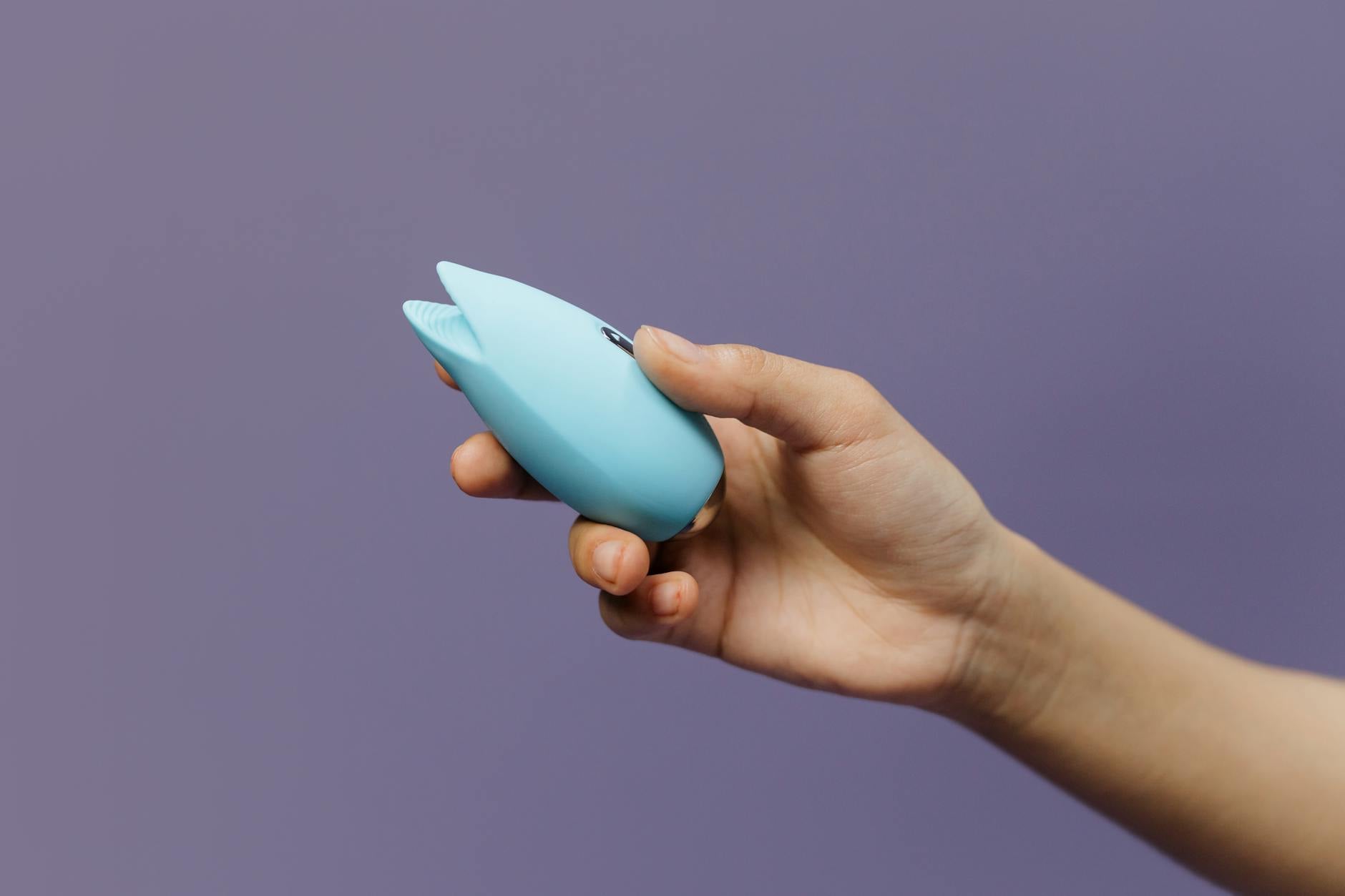
Lemon clitoral vibrators like the Lem break this cycle by working below the anxiety threshold. They're fast, direct, and powerful enough that they can trigger physical pleasure before anxiety has a chance to interfere.
Why regular stimulation fails when anxiety is present
When your nervous system is in fight-or-flight mode, subtle touch goes completely unnoticed. Manual stimulation requires you to stay present, feel your way through arousal, and adjust based on feedback. That self-awareness triggers more anxiety. You're essentially asking your anxious brain to focus on pleasure while it's busy scanning for threats.
Clitoral suction vibrators work differently. The sensation is intense enough that it bypasses conscious processing. Your nervous system registers the stimulus as powerful and immediate, which actually helps shift you out of anxiety mode. The suction pattern creates a rhythmic signal that can override the stress response.
This is why many people with anxiety find that penetration, manual touch, or even regular vibrators feel numb or overwhelming. A lemon sexual toy with suction technology hits a sweet spot: strong enough to register clearly, rhythmic enough to be soothing, and contained enough that it doesn't feel threatening.
How suction helps your nervous system reset
The Lem and similar lemon adult toys use air-pulse technology. Instead of vibration alone, they create gentle suction waves. Neurologically, this matters because suction stimulates a broader area of nerve endings without the intensity of direct pressure. For someone with anxiety, this feels less invasive and more immediately pleasurable.
The rhythm is also key. Suction-based lemon vibrators typically pulse at 180-240 times per minute. That cadence mirrors a slowed heart rate and breathing, which signals safety to your parasympathetic nervous system. Your body starts to believe arousal is possible because the physical sensation is creating actual physiological calm, not more arousal.
Many people report that the first few seconds feel strange, then almost immediately click into pleasure. That's because the sensation is strong enough to snap you out of the anxious thought loop and into pure physical feeling.
Starting with the right settings
When anxiety is your main obstacle, don't start on the highest intensity. Counter-intuitive as it sounds, gentler patterns often work better because they give your nervous system permission to relax.
Here's what typically works: Begin with pattern 1 or 2 on the Lem, the lowest suction levels. Spend 2-3 minutes just letting your body register the sensation without expectation. Most people with anxiety are holding their breath, bracing, waiting for something. The first few minutes are about teaching your body it's actually safe.
If you're with a partner, let them hold the toy or be nearby but not watching. Performance anxiety amplifies general anxiety, so removing that pressure matters. If you're alone, try it lying down in a dark room, or with your eyes closed. Reducing visual stimuli helps some people drop into their bodies faster.
After your nervous system settles, you can gradually increase intensity if it feels right. Many people find that the medium patterns (3-5) work best long-term because they're strong enough to maintain focus but not so intense they feel aggressive.
The mental shift that comes with pleasure
Once your body actually feels pleasure for the first time in a while, something shifts. It sounds simple, but it's neurologically significant. Your brain gets evidence that arousal is possible. The anxiety narrative loses power.
I've worked with many clients who describe this as "remembering what pleasure felt like." Anxiety doesn't just block sensation. Over time, it convinces you that pleasure was never that good, or that you've permanently lost the ability to feel. Using a lemon clitoral vibrator shatters that belief because the evidence is immediate and undeniable.
From there, pleasure becomes easier to access. Not because the anxiety is gone (it probably isn't), but because your nervous system now has a recent memory of safety and sensation. You can build on that.
What to do if anxiety still creeps in during use
Anxiety is stubborn. You might feel pleasure ramping up, then suddenly feel yourself bracing or disconnecting. That's your nervous system triggering old protective patterns. It's normal and fixable.
When you notice anxiety returning, pause for 30 seconds. Take three deep breaths where the exhale is longer than the inhale. This signals your parasympathetic system to stay engaged. Then restart at a lower intensity. You're essentially negotiating with your nervous system: "It's actually safe here."
Some people benefit from grounding techniques: naming five things you can see, four you can touch, three you can hear. This redirects the anxious scanning impulse into something useful. By the time you restart, your body is often ready to relax again.
If anxiety stays high, stop. This isn't about pushing through. The goal is to prove to your nervous system that pleasure is accessible, not to white-knuckle your way to an orgasm. Short, successful sessions build confidence faster than long, tense ones.
Pairing clitoral vibrators with actual anxiety management
Using a lemon vibrator is helpful, but it's not a substitute for addressing the underlying anxiety. If anxiety is pervasive, consider talking to a therapist, especially one trained in somatic or trauma-informed approaches. Therapy and pleasure work together.
That said, clitoral vibrators can accelerate other anxiety work. Once you've experienced arousal using the Lem, you have a baseline. You know pleasure is neurologically possible for you. That belief is half the battle in retraining your nervous system.
Some people also find that regular use of a lemon clitoral vibrator helps them understand their anxiety patterns. You notice: "I feel anxiety when someone's watching, but not alone." Or: "Pressure to orgasm makes it worse, but no pressure at all works." That self-knowledge is gold for therapy.
FAQ: Anxiety and arousal
Why does anxiety kill arousal more than other emotions?
Anxiety activates your fight-or-flight response, which literally suppresses the parasympathetic nervous system needed for arousal. Unlike sadness or frustration, which are compatible with some sexual feeling, anxiety is actively antagonistic to pleasure because it's a threat-detection system. Your body cannot simultaneously believe it's in danger and relax into arousal.
Can a lemon sexual toy actually help with anxiety long-term, or just in the moment?
Both. In the moment, a lem vibrator breaks the anxiety cycle by creating undeniable physical pleasure. Long-term, repeated successful experiences rewire your brain's association with intimacy and your body. You're building new neural pathways that link arousal with safety instead of threat. That's why regular use tends to make arousal easier to access, even without the toy.
What if I feel more anxious when I start using the vibrator?
That happens, especially if anxiety is tied to shame or fear around pleasure. Start even slower: maybe just holding the toy without turning it on, or turning it on at the lowest setting for 10 seconds at a time. You're teaching your nervous system that pleasure-related touch is safe. That takes time. If anxiety is severe, working with a therapist first might help you understand what's driving it.
Is a lemon vibrator better than other clitoral vibrators for anxiety?
Suction-based vibrators like the Lem tend to work better for anxiety than traditional vibrators because they stimulate a broader area without intense localized pressure. That said, what works is personal. Some people prefer the steady rhythm of a traditional vibrator. Try different patterns on your current toy before upgrading. Sometimes pattern matters more than device.
How long before I notice anxiety affecting me less during sex?
Most people report a shift within 2-4 weeks of regular use (2-3 times per week). That's the time it takes for your nervous system to build new associations. But some people feel a difference after one successful session. Your timeline depends on how entrenched the anxiety is and what else you're doing to address it. Therapy plus regular pleasure work typically shows faster results than either alone.
Can my partner help reduce my anxiety during intimate time?
Yes. Partners who check in without pressure, who don't take lack of arousal personally, and who create genuine emotional safety make a huge difference. Many people find that using a lemon clitoral vibrator together, where the partner isn't the primary stimulator, reduces performance pressure. You're both focused on your pleasure, not on whether they're "doing it right." That shared focus often calms anxiety faster than anything else.
The reset you've been waiting for
Anxiety is powerful, but it's not permanent. Your nervous system can be retrained. A lemon vibrator isn't magic, but it's a tool that works below anxiety's defenses. It gives your body permission to feel pleasure again, which gives your mind permission to believe pleasure is possible.
Start small, be patient with yourself, and remember: the goal isn't a perfect orgasm. It's reclaiming the knowledge that your body can feel good. Everything else builds from there.
Ready to explore? Check out our full collection of clitoral vibrators and tools designed to help you reconnect with pleasure, no matter what's blocking it.