Let's name the thing that's actually happening
You want sex more often than your partner does. You're not broken. Your partner isn't broken. You're just mismatched, and that mismatch is one of the most common relationship friction points that nobody talks about openly. Here's what I see in my practice: one person waits, compromises, schedules, adjusts downward. The other person feels guilty or pressured. Neither person gets what they need.
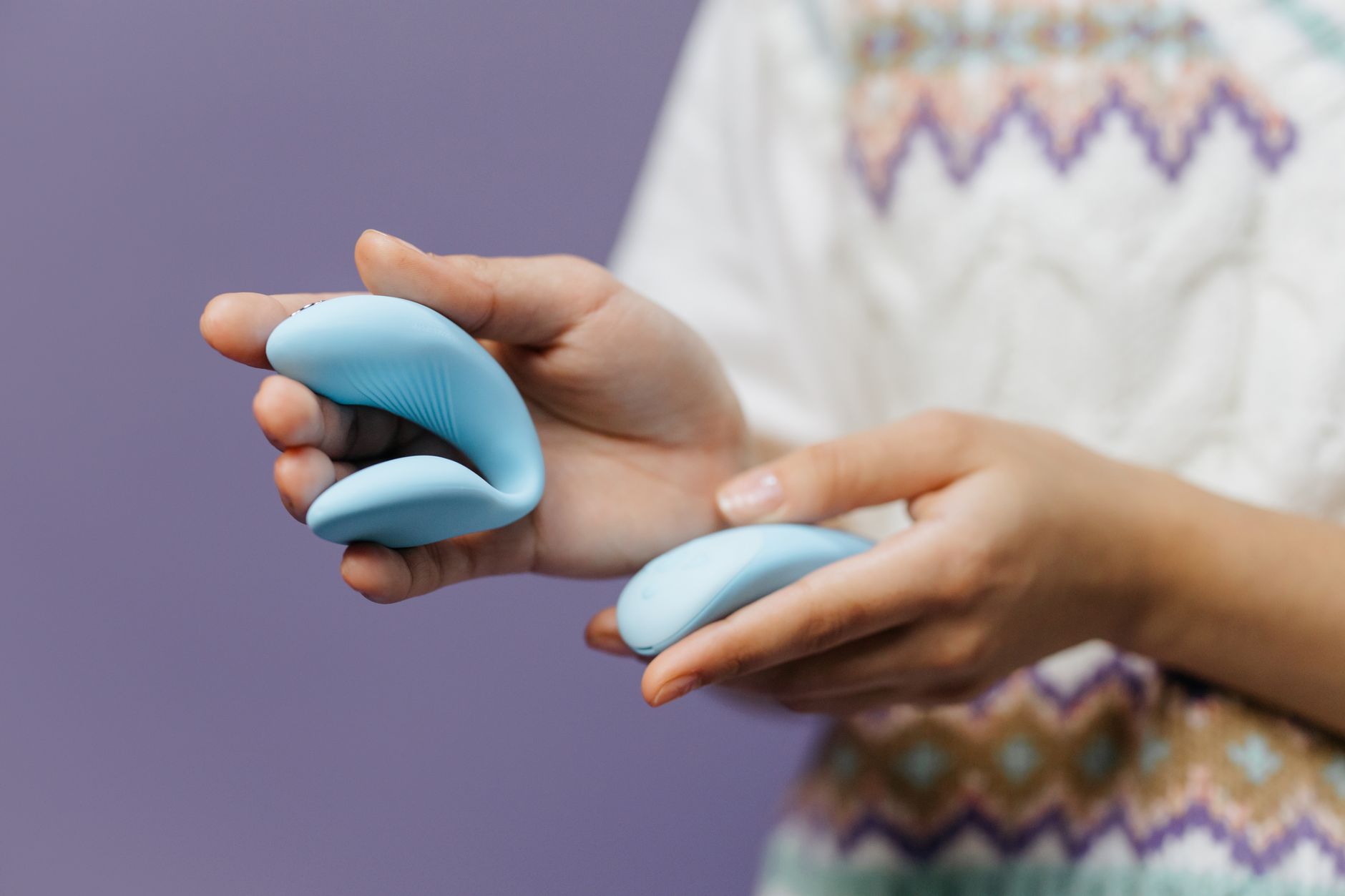
A lemon vibrator isn't a fix for mismatched desire. But it's a tool that lets you stop waiting.
The actual cost of a libido mismatch
When you're the person with the higher sex drive, you exist in a strange psychological space. You're not rejected outright, usually. Instead, you negotiate smaller intimacy windows. You learn to take what you can get. You might stop initiating entirely because rejection (or obligation sex) feels worse than no sex. Over months or years, this creates resentment, shame, or a kind of resignation that leaks into other parts of the relationship.
Your partner isn't trying to hurt you. They have their own rhythm, their own capacity. But their capacity isn't your responsibility to shrink into.
Why clitoral vibrators work differently in this dynamic
A lemon vibrator, or any quality clitoral vibrator, does three things that matter here.
First, it gives you autonomy. Solo pleasure stops being a consolation prize and becomes a choice. Second, it works. Most people with clitorises can orgasm much faster alone than partnered, because there's no negotiating another person's pace or stamina. Third, it separates two conversations that get tangled up constantly: "I want to be close to you" and "I need an orgasm." Those are different conversations with different solutions.
Building the conversation that actually works
Here's where most couples get stuck. They try to solve desire mismatch by increasing partnered sex. That's backward. You can't fix a libido gap by forcing more of the activity that already feels obligatory to the lower-desire partner. That only builds resentment.
Instead, I recommend decoupling. Tell your partner something like this: "My desire for sex doesn't mean I need it from you on that schedule. I want us to stay connected, and I also want to take care of my own needs independently. That's not about you." Most partners feel relief when they hear this. It removes pressure.
Then, you actually follow through. You use a lemon vibrator without shame. You have solo orgasms. You schedule partnered intimacy separately from your solo pleasure routine. Many couples report that when the lower-desire partner isn't constantly managing guilt, they actually want partnered sex more often. Weird how that works.
Practical setup for your specific situation
If you're the higher-desire person, you probably already have a timeline in your head: maybe you want sex or orgasm three times a week, and your partner wants it once. That's a real gap. Here's a realistic rhythm.
Two of those orgasms happen solo, with a lemon clitoral vibrator. They take 10-15 minutes, no negotiation, no guilt. One happens with your partner when you're both genuinely available. This keeps you from becoming resentful about the gap, and it keeps your partner from feeling pressured.
The solo sessions also matter because they teach your body what it actually needs. When you're rushing through partnered sex or calibrating around someone else's comfort, you learn to ignore your own signals. Solo time with a lemon vibrator is where you remember what you actually like.
Why the shame piece is critical here
If you're using a lemon vibrator in a relationship where your partner doesn't know, that's often not about the vibrator. That's about shame living in your body about your own desire. And shame will poison the relationship faster than any libido mismatch.
If you haven't told your partner that you're using a clitoral vibrator for solo pleasure, I'd recommend doing that. Not as a confession or apology. Just as information. "I'm taking care of my own sexual health, which helps me feel less resentful about our mismatch." Most partners get it. Some even find it sexy.
If your partner has explicitly said they don't want you using toys, that's a different conversation. That boundary usually isn't about the toy. It's about control, or old shame, or fear of not being enough. Those are worth working through with a couples therapist, not a vibrator.
The sensations you'll actually notice
When you switch from partnered sex (where sensation is mixed with negotiation and performance) to solo pleasure with a lemon vibrator, you notice things. The intensity of the clitoral stimulation hits differently when you're not managing another person's timing. The orgasm often feels stronger, more localized, or weirder than partnered orgasms. That's normal. Your body knows the difference.
If you're new to clitoral vibrators entirely, start with the lower settings. Your body might surprise you with how quickly you respond when there's no pressure. Some people report that solo orgasms with a vibrator feel almost alien compared to manual stimulation. That usually gets easier after two or three sessions.
The rhythm of solo pleasure also differs. You're not on someone else's stamina clock. You can take 20 minutes if you want, or eight. You can stop and restart. You're building a relationship with your own body, not performing.
When to get professional support
If the libido mismatch is creating constant conflict, consider couples counseling before the resentment becomes the primary thread of the relationship. A therapist can help you both understand where the mismatch comes from, whether there are treatable factors (medication side effects, untreated depression, relationship stress), and how to actually talk about it without blame.
If you're using a lemon vibrator to avoid addressing the gap entirely, that's worth noticing. Solo pleasure is valid, but it's not a replacement for communication. Both things can be true: you deserve to have orgasms on your timeline, and your partner deserves to not feel guilty about their lower desire.
Many couples find that when the lower-desire partner isn't carrying guilt, and the higher-desire partner isn't resentful, the actual mismatch narrows naturally. Not always. But often enough that it's worth trying.
The permission part
Your sex drive is real. Your need for release is not a failure of your partner, and it's not something you should shrink to accommodate. Your partner's lower desire is also real and not something they can just willpower their way past. Both truths exist. A lemon vibrator lets you stop arguing with your body about what it needs and start honoring it instead. That shift usually improves the relationship, not damages it.
You deserve pleasure that doesn't depend on someone else's availability.
People also ask
How do I bring up using a lemon vibrator to my partner if we've never talked about toys before?
Start small and neutral. You don't need to make it a big announcement. Something like "I'm thinking about trying a vibrator for solo play to help with my libido" works. If they ask questions, answer honestly. If they seem uncomfortable, that's worth a separate conversation about why. Often the discomfort isn't actually about the vibrator itself. It might be rooted in ideas about what toys "mean" about your relationship or about their adequacy. Those beliefs are worth examining together, but they're separate from whether you use one.
Can a lemon clitoral vibrator actually make orgasms happen faster than manual stimulation?
Yes, usually. The consistency and intensity of vibration works differently than fingers alone, and most people with clitorises orgasm more reliably and quickly with a vibrator than without one. That's just physiology. If you're used to longer partnered sessions, the speed might feel strange at first. Your body isn't rushing. The stimulation is just more direct and consistent.
Should I only use a lemon vibrator solo, or can I use it with my partner too?
Both. Some couples find that bringing a clitoral vibrator into partnered sex actually strengthens their intimacy because the lower-desire partner can participate without as much physical effort, which sometimes removes barrier to wanting sex. If you introduce it, frame it as something that helps you both, not as a replacement for partner stimulation.
What if my partner feels threatened or inadequate when I use a vibrator?
That's worth addressing directly, ideally in a calm moment when you're not in conflict. Ask specifically what threatens them about it. Is it that they feel they're not enough? Is it about control? Is it rooted in beliefs about what toys "mean"? Those are addressable. Sometimes a short couples session with a therapist helps reframe this. Some partners feel less threatened once they understand that a vibrator handles one very specific job (fast clitoral stimulation) and doesn't replace emotional intimacy or partnered sex.
How often should I use a lemon vibrator if I have a higher sex drive than my partner?
As often as you want. There's no normal here. Some people use a vibrator several times a week, others monthly. The point is that it's your choice, not negotiated. If you're using it because you're angry at your partner for not wanting sex, that's worth noticing. But if you're using it because your body needs release and your partner's availability doesn't match your timing, that's just self-care.
Is using a lemon vibrator a sign the relationship is in trouble?
No. It's a sign you're taking responsibility for your own sexual health instead of waiting for someone else to provide it. Most relationships are actually stronger when the higher-desire partner stops expecting the lower-desire partner to be someone they're not. If anything, introducing solo pleasure often eases pressure and improves the connection.
Mismatched libido feels like a personal failure when you're in it. It's not. It's just one of the normal friction points that couples navigate. The question isn't how to make your desire disappear or how to force your partner's desire to match yours. The question is how to honor both realities without one person sacrificing their pleasure or the other person drowning in guilt. A lemon vibrator is part of that answer.
If you're ready to move past the waiting and the resentment, we're here to help. Reach out at /contact to talk through your specific situation.