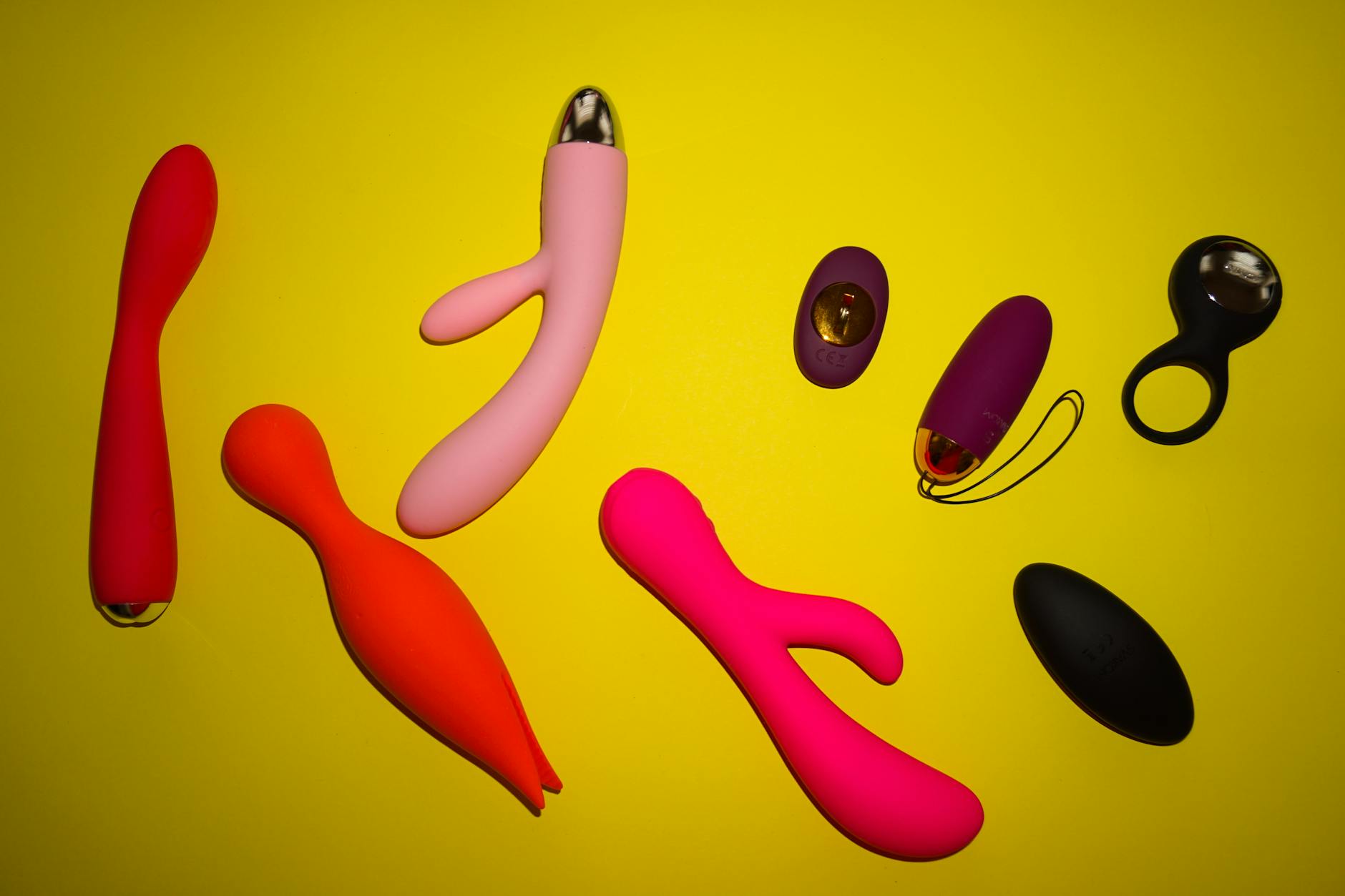
Puberty rewires your pleasure response—here's what that actually means
Let's be real: nobody tells you that rising estrogen during puberty changes how your body responds to touch. You get the period talk. You get the acne talk. You definitely get the "don't get pregnant" talk. What you don't get is an honest conversation about how arousal works now that your hormones are shifting, why some touches feel electric and others feel numb, or what solo exploration actually looks like when your body is rewiring itself.
I've worked with teens and young adults navigating this transition, and the pattern is consistent: confusion about what's normal, pressure to either suppress sexuality entirely or perform enthusiasm you don't actually feel, and zero practical information about how your own body works. That gap matters. Self-knowledge during puberty is foundational to sexual confidence later.
Here's what I'll lay out in this post: what estrogen does to your clitoris and arousal patterns, why many people find solo pleasure easier to explore than partnered sex during this phase, and how tools like the lemon clitoral vibrator from Heilonancy can make that exploration safer and more informative.
How rising estrogen reshapes sensation
When estrogen climbs during puberty, your entire pelvic region gets more blood flow. That's not metaphorical. The tissues swell slightly, the nerve endings become more responsive, and the clitoris itself becomes more sensitive. For some people, this is intensely pleasurable. For others, it's overwhelming or unpredictable.
Your arousal timeline also shifts. Pre-puberty, most people can be physically aroused without much mental engagement. During and after puberty, the brain piece becomes central. You need novelty, emotional safety, or mental stimulation to build arousal. That's not a flaw. It's just how your neurobiology rewires.
The clitoris has over 8,000 nerve endings. All of them are waking up during these years. That means what felt neutral at 12 might feel intense at 14. What felt good last month might feel wrong this month. This isn't hormonal chaos. It's normal variation as your body calibrates its baseline.
Why solo exploration beats partnered pressure right now
I'm going to say this plainly: there is zero developmental reason to have partnered sex during early puberty. There's also zero shame in wanting to explore. Both things are true.
Solo exploration has specific advantages at this stage. You control the pace, the pressure, the timing, and the stop button. You're not managing someone else's pleasure, expectations, or insecurity. You're gathering data about your own body in private. That data—what sensation feels good, how long arousal takes to build, what your orgasm feels like—is gold for your future sexual confidence.
Most importantly, solo exploration with a tool like a lemon clitoral vibrator teaches you that pleasure isn't something that happens to you or that requires a partner. It's something you can generate yourself. That conviction, built early, changes everything about how you navigate sex later.
What a lemon vibrator teaches you that fingers alone can't
Your fingers are wonderful. They're always available, they provide pressure and movement, and they're how most people start exploring. But they have one limitation: they get tired, and you can't feel your own pleasure and control at the same time.
A lemon sucker or lemon vibrator does something different. The suction technology (unique to the Lem and similar clitoral vibrators) doesn't use friction the way traditional vibrators do. Instead, it creates a gentle pulse that mimics the way a partner might use their mouth. That's significant because it introduces you to a sensation pattern you might not create with your hands.
More importantly, a vibrator teaches you about sensation intensity. Most lemon sexual toys have multiple settings. You can start at level 1, which is barely perceptible, and work up to level 3 or 4. That progression teaches your body something crucial: that pleasure has a volume dial. You can dial it down if things feel too much. That sense of control is grounding, especially during puberty when everything feels volatile.
Using a clitoral vibrator also removes the self-consciousness of "am I doing this right?" With a tool, you're not performing a technique. You're exploring sensation. That distinction matters emotionally.
Starting with lemon vibrators if you're new to solo pleasure
If you're considering exploring with a vibrator for the first time, here's what makes sense at your stage.
Start with something smaller and gentler than you think you need. The Lem is elegant and discreet, but even then, some people in early puberty prefer starting with something even smaller. A lemon vibrator with lower starting intensity is your friend. You're not trying to achieve the most intense orgasm possible. You're gathering information about what you like.
Privacy is non-negotiable. This isn't about shame. It's about being able to relax. If you share a room, invest in a lock. If locks aren't possible, explore when you know you're genuinely alone. Anxiety about being discovered will tank arousal faster than anything else.
Use a water-based lubricant. Even though your arousal response is improving, the clitoris benefits from additional slip, especially when you're first learning. It reduces friction and makes the experience feel less clinical.
Start your exploration when you're curious, not when you're expecting an orgasm. The first few times using a vibrator, many people don't orgasm. That's not failure. You're teaching your nervous system a new sensation. Orgasm comes later. Pressure to climax is the fastest way to shut down arousal.
Consider how to use lemon vibrators when spontaneous arousal feels impossible for additional context on building arousal pathways—that post covers mental strategies that apply to your stage too.
Understanding your new sensitivity patterns
One thing that surprises people during this stage is that sensitivity isn't constant. Some days your clitoris feels almost too sensitive to touch directly. Other days you crave more intense stimulation. That's not dysfunction. That's your body responding to your hormone cycle, your stress level, whether you slept, what you ate, and your mental state.
With a lemon clitoral vibrator, you can adjust to these fluctuations. On high-sensitivity days, use a lower setting or add more lubricant as a barrier. On days when you feel more numb, a higher setting might feel right. This responsiveness teaches you something vital: you're not broken on the days you feel less sensation. You're just in a different part of your cycle.
Some people also notice that their preferred sensation pattern shifts. Maybe direct stimulation felt intense at 13 but feels perfect at 15. That's normal recalibration. Your body is still in flux. Nothing is permanent. Nothing is wrong.
Why exploring solo now matters for later relationships
Let me be direct about the long-term view. People who explored their own pleasure during puberty and early adulthood report higher sexual confidence, clearer communication with partners about what they like, and more satisfying orgasms in partnered contexts. That's not coincidence.
When you know your own arousal pattern, you can tell a partner what helps. You're not guessing. You're not performing. You're sharing information. That transforms partnered sex from something that happens to you into something you create together.
Solo exploration with tools also demystifies pleasure. Vibrators aren't mysterious. They're not a substitute for "real" intimacy. They're tools that teach you about your own neurobiology. Knowing that makes you less likely to feel insecure or dependent on a partner later.
Addressing the shame and secrecy piece
If exploring solo pleasure feels shameful, that's not coming from you. That's cultural messaging you've absorbed. The reality: everyone with a vulva explores at some point. Most people start during puberty. There's nothing wrong with you for being curious. There's nothing wrong with you for wanting to understand your own body.
The secrecy matters for safety and privacy, not because you're doing something bad. But internally, I want you to know: curiosity about your own body is healthy. Acting on that curiosity alone is safe. Using a tool designed for pleasure is fine. You deserve to know yourself.
If you're dealing with religious or cultural conditioning that makes this feel like a transgression, that's a conversation worth having with a therapist who specializes in sexual health. That's not judgment. It's recognizing that conflicted feelings about your own body deserve proper support.
When to consider reaching out for support
Most solo exploration during puberty is straightforward and healthy. Sometimes, though, it's worth getting support.
If arousal or orgasm feels painful, talk to a doctor. Pain isn't normal, and it's very treatable.
If you feel shame that's stopping you from exploring, or if you're exploring compulsively in ways that feel out of control, a therapist trained in adolescent sexuality can help. That's not pathology. That's resource-gathering.
If you're exploring in response to pressure from someone else, or if you're feeling coerced into sexual activity, that's a different category entirely. That's not about your own pleasure. That's about your boundaries. Talk to an adult you trust—a school counselor, a doctor, a trusted family member.
For context on how this stage connects to later challenges, how to use lemon vibrators when spontaneous arousal feels impossible addresses arousal shifts across the lifespan.
FAQ: Your actual questions about puberty and pleasure
Is it normal to feel more aroused during puberty than before?
Completely normal. Rising estrogen, increased blood flow to the pelvis, and hormonal changes all amplify arousal capacity. For some people, this feels welcome. For others, it feels overwhelming. Both are normal responses to a major hormonal shift.
How often should I explore solo?
As often as feels right for you. There's no quota. Some people explore a few times a week. Some explore once a month. Some skip weeks. What matters is that exploration feels voluntary and pleasure-focused, not compulsive or driven by anxiety or pressure.
Will using a vibrator make regular touching feel boring later?
No. Tools teach your body new sensation patterns. That doesn't make your hands feel boring. Different partners, different contexts, and different tools all create different experiences. Your body is capable of enjoying all of them.
What if I can't orgasm with a vibrator?
Orgasm isn't the goal of early exploration. You're learning what sensation you like. Orgasm will come when it comes. Pressure to climax is the fastest way to shut arousal down. Focus on sensation and curiosity, not outcomes.
Is it okay to feel weird or uncomfortable trying a vibrator for the first time?
Yes. New sensations can feel strange. Your mind might second-guess the whole thing. That's normal. If it feels wrong, you can stop. If it feels weird but not bad, you can keep exploring gently. Listen to your body. Your comfort level is the only metric that matters.
How do I talk to a partner about what I've learned about myself?
Start with what you know: "I like slower builds," or "I prefer this kind of touch," or "I need some time to get aroused." You don't need to detail your solo exploration unless you want to. What matters is sharing what you've learned about your own body.
You're building sexual literacy right now
Exploring your own pleasure during puberty isn't indulgence. It's education. You're learning how your body works, what you like, and how to prioritize your own sensation. That knowledge is the foundation for every satisfying sexual experience you'll have.
The tools matter—lemon vibrators and other clitoral toys teach you sensation patterns your hands alone can't. But the real work is internal: building trust in your own body, recognizing that your pleasure matters, and understanding that you're the expert on what feels good to you.
If you want support navigating these changes or exploring sexual health questions beyond this post, reach out to our team. We're here to help.