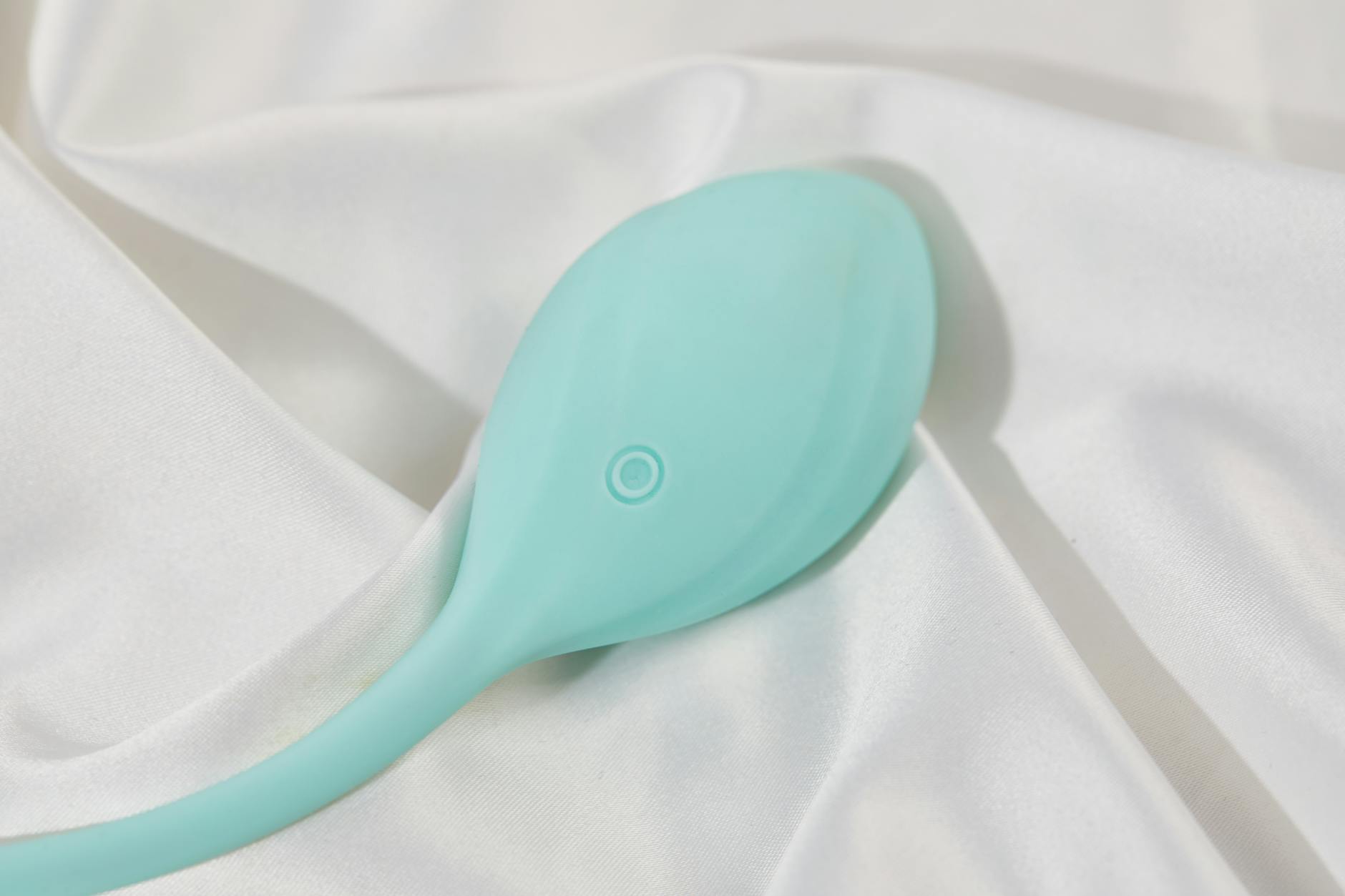
The real reason people avoid pleasure during a break
Let's be real: when a relationship takes a pause, most people default to a pleasure pause too. There's guilt involved. There's the fear of "moving on too fast." There's the whole tangled narrative about what it means if you're exploring your own pleasure while the relationship is unresolved. And honestly, there's exhaustion. Breaktime is confusing.
But here's what I've seen in two decades of working with couples: the people who use this time to reconnect with their own bodies emerge clearer about what they want. Not "clearer about whether to get back together," though sometimes that happens. Clearer about whether they actually like their own company. Whether they can pleasure themselves without waiting for permission or external validation. Whether their pleasure is something they've been outsourcing instead of claiming.
A relationship break is a rare gift of uninterrupted access to your own body. That's not something to skip over.
Why lemon vibrators work differently when you're alone
When you're partnered, even when you're using a clitoral vibrator solo in the relationship, there's usually an edge of performance. Performance doesn't mean "bad." It means the part of your brain that's conscious of a partner, a timeline, or an expectation stays a little bit online. That's normal. It's also exhausting over time.
When you're on a relationship break, that performer can finally clock out. You're not building toward anything. You're not on anyone else's schedule. There's no audience, no one waiting, no implicit pressure to orgasm on cue.
Lemon vibrators and other clitoral suckers are particularly good for this kind of pressure-free exploration because they work differently than traditional vibrators. They use gentle suction and rhythmic pulsing instead of direct vibration. For many people, that means less performance anxiety and more ability to just... feel what's happening. The Lem vibrator, in particular, tends to feel less clinical and more like a new kind of conversation with your own body.
Starting a solo practice without shame
Three things you need first:
Permission. Not from me, not from anyone else. From yourself. This time is not infidelity. This time is not moving on. This time is you saying: my pleasure matters, even when things are uncertain. Even when the future is unclear. Even right now.
Realistic expectations. The first few times might feel awkward. You might feel weird, or guilty, or like you're "supposed" to come quickly to prove something. You're not. The whole point is to take time. To notice what you actually like instead of what you think you should like.
A specific plan. "I'll use a clitoral vibrator sometime" drifts. "Every Tuesday and Thursday evening after dinner, lights off, phone silenced, 20 minutes." That commits.
Building a practice around discovery
When you're partnered, pleasure usually has a narrative arc: foreplay, building, release. When you're alone during a break, you can throw that structure out entirely. Here's what I recommend instead:
Week 1 and 2: Exploration without outcome. Set a timer for 15 minutes. Your job is not to orgasm. Your job is to notice. How does the lemon toy feel at different pressure levels? What rhythm makes you curious? What makes you want to slow down? Clitoral vibrators work best when you're not rushing them. Try the Lem vibrator on patterns 1 through 5 and notice which one makes you lose your train of thought in a good way.
Week 3 and 4: Expanding sensation. Now that you know what pressure feels good, you can bring in other elements. Where else on your body do you want touch? Many people discover during relationship breaks that they've been skipping whole zones of pleasure because they were focused on PIV or partnered-specific activities. Use lemon clitoral vibrators as part of a fuller experience. Touch your thighs. Use your other hand. Pay attention to what your body is asking for when no one else's needs are in the equation.
Week 5 onward: Integration. By now you should have some solid information: what patterns of lemon vibrators work for you, what timing feels right, what mental state helps you relax into pleasure. The goal here is to stop this from feeling like a "break" practice and start it feeling like a normal part of your life. Not because you're getting back together or moving forward. Just because you deserve this regardless.
What you're actually learning
Here's the thing that surprised most of my clients when they did this work: using a clitoral vibrator solo during a relationship break taught them things that actually improved their relationships afterward. Not because the break "fixed" anything, but because they returned with clearer information.
You learn your own rhythm. You discover that you need more time than you thought. You figure out that pattern 3 on the Lem vibrator gets you there faster than your partner ever did, and that's information worth keeping. You realize that you've been giving away control of your pleasure for so long that reclaiming it feels radical. Sometimes that's about the relationship. Sometimes it's just about you.
If you do get back together, that clarity is currency. You know what you like. You can ask for it. You're not waiting for your partner to guess. You've remembered that your pleasure is not a problem they have to solve. It's something you get to be an expert in.
If guilt keeps showing up
It probably will. Especially if the relationship break is recent or messy or uncertain. Here's what I tell people: guilt usually isn't about what you're doing. It's about what you believe you deserve.
You deserve pleasure. Not "when the relationship is officially over." Not "if you ever get back together and your partner approves." Right now. In this uncertain middle time. The pleasure you give yourself during a break isn't disloyal. It's not "moving on." It's not even necessarily about whether the relationship survives. It's you saying: I matter. My body matters. My feeling good matters, even when everything else is unclear.
That's not a small thing. In fact, that's the whole foundation.
Practical logistics for your break practice
A few things that make this actually work:
Storage and privacy. Make sure your lemon vibrator has a place where it's not hidden, but it's not sitting on your nightstand for roommates or family to find. A small drawer, a closed box, behind other things. It's not about shame. It's about boundaries, which is healthy. The Lem vibrator or other clitoral suckers come in neutral colors that don't announce themselves.
Charging strategy. If you have a practice (say, Tuesday and Thursday evenings), charge your lemon clitoral vibrator on Monday and Friday. Never be caught without battery when you've set aside the time. That sounds silly until it happens and you feel like the universe is conspiring against your pleasure.
Mental prep. Five minutes before your time, put the phone in another room. Set the lights how you like them (bright, dim, candlelit, whatever). Put on music or silence, whatever helps you relax. This isn't self-care theater. It's just removing one more layer of distraction so you can actually feel something.
After-care. You don't need rose petals and a journal. But you might benefit from a few minutes afterward where you just lie there and notice how you feel. Grounded. Tired. Energized. Distant. Just observing that. You're learning your own response map.
What this looks like when you get back together
And maybe you do. Maybe you don't. But if you do, you're bringing something back: knowledge of yourself that you didn't have before. Your partner doesn't have to guess what you like anymore. You can tell them. You can show them. You can ask for what you actually want instead of what you think you're supposed to want.
You're also bringing back a sense that your pleasure is your job, not theirs. That's not selfish. That's sustainable. Because the people who spend all their energy trying to pleasure a partner who hasn't learned to pleasure themselves end up resentful. The people who know their own bodies, who've spent time alone with that knowledge, who can ask for what they need? Those are the partners everyone wants.
So use this break. Use the lemon vibrator. Use the time. You're not abandoning the relationship. You're building yourself back. And that's exactly what a break is for.
People also ask
Is using a vibrator during a relationship break a form of moving on?
Not unless you decide it is. Pleasure and emotional attachment are different systems. You can love someone and still need to understand your own body. You can be unsure about a relationship and still deserve to feel good. Using a lemon clitoral vibrator during a break isn't a referendum on whether you'll get back together. It's just you saying: my body and my pleasure don't pause because the relationship did.
How do I know if this practice is helping or just distracting from the real issues?
Both things can be true. The solo time with a clitoral vibrator isn't a substitute for thinking clearly about the relationship itself. But it is a container that helps you think more clearly. When you're not deprived of pleasure, when you're not desperately waiting to feel good again, when you've proven to yourself that you can access your own capacity for pleasure independently, you actually get clearer about the relationship questions. Not foggier. You're doing this alongside reflection, not instead of it.
What if my partner finds out I'm using a lemon vibrator during our break?
Then you'll need to have a conversation about whether you're allowed to have privacy, autonomy, and a body that belongs to you during a break. If a partner's response to you exploring your own sexuality alone is anger or betrayal, that's useful information about whether this relationship is actually safe for you. Your pleasure during a break isn't something you need to hide or defend. It's something you're entitled to.
If I orgasm easily with a clitoral vibrator but not with my partner, what does that mean?
It usually means one or more of these things: you're more relaxed alone. You're not managing anyone else's feelings. You're not performing. You know your own body better than your partner does. You're not anxious about being "too slow" or "too fast." It doesn't mean you don't love your partner. It means you've discovered valuable information about what conditions help you feel good. Now you get to decide whether you want to share that information with your partner and rebuild from there.
Can I use a lemon sucker if I have high sensitivity or numbness?
Lemon vibrators and clitoral suckers are actually excellent for rebuilding sensation because they work differently than traditional vibrators. If you're numb, they provide a new kind of stimulation that your body might respond to. If you're sensitive, you can control the suction pattern and intensity much more finely. Start with lower patterns and adjust. But yes, this is one of the main reasons a Lem vibrator or similar lemon clitoral vibrator is so useful during a break where you're rediscovering your own body.
Should I tell my partner what I've learned about my body if we get back together?
Absolutely. That's not oversharing. That's partnership. Telling your partner that you've figured out you prefer a certain kind of pressure, or that you need more time, or that you learned something about your own body during the break is giving them a map. It's the opposite of secrets. It's saying: here's what I've learned about myself. Can we build on this together? That's intimate.
A relationship break is a strange liminal space. It's not the relationship. It's not being single. It's being in active pause. During that pause, your body doesn't stop mattering. Your pleasure doesn't pause. You can use this time to reclaim both. A lemon vibrator or clitoral sucker is just a tool. The real work is giving yourself permission to feel good while everything else is uncertain. That's the practice. Everything else follows from there.
If you're navigating this and want more support beyond self-exploration, we're here to help. Reach out at /contact to discuss next steps.