
How to Use Lemon Vibrators During Midlife Relationship Transitions
Let's be real. Midlife is not the season most people talk about when they talk about passion. Someone's kids just left home. A partner changed jobs. There's money stress, aging parents, the weird feeling that you're supposed to know who you are by now but you're still figuring it out. Sex is not usually first on anyone's mind.
Except here's the thing. This is exactly when pleasure matters most. Not as a luxury. As a lifeline.
Why midlife relationships lose momentum (and why it's fixable)
Twenty years into a relationship, you've optimized almost everything away. Sex becomes predictable. Foreplay shrinks. Desire gets filed under "nice to have" instead of "necessary." Then one person initiates less, the other stops trying, and suddenly you're roommates with a mortgage.
The research backs this up. Couples therapists see a huge spike in what we call "desire discrepancy" around year 15-20 of a relationship. One partner wants sex; the other would rather sleep. And it's almost never because anyone stopped loving anyone. It's because no one's paid attention to pleasure in so long that it stopped feeling relevant.
That's where lemon vibrators, specifically clitoral vibrators like those from Hello Nancy, come in. They're not about fixing a broken thing. They're about remembering that pleasure was always available. You just stopped reaching for it.
The conversation you actually need to have first
Before any toy enters the picture, you need to separate two conversations that most couples jam together.
Conversation A is about your body: "I want to explore pleasure differently than we have been." This is not a criticism of your partner. This is information about you.
Conversation B is about your connection: "I miss you. I want us to be close again in ways that feel good and easy."
Most couples lead with Conversation B while thinking they're having Conversation A. That's when it gets defensive. "Are you saying I don't turn you on?" No. That's not what's happening. You're saying you want to feel good, and that feeling good together might look different now.
Start with your own body. Start solo. This sounds counterintuitive, but a lemon vibrator used alone first gives you crucial information: what actually works for you now. Your body has changed. Your preferences might have changed. Knowing your body first means showing up to partnered sex with real knowledge instead of old assumptions.
How to introduce it with a partner (without the awkward)
The Lem vibrator, a clitoral suction toy, is genuinely easier to introduce than traditional vibrators. Here's why: it's a clear artifact. It's not pretending to be anything. It's explicitly a pleasure tool. That actually makes the conversation simpler.
Try this angle. "I read something about how different people's bodies respond to clitoral vibrators differently. I'm curious what works for me now. Want to explore together?" This is invitational, not accusatory. It's about curiosity, not criticism.
If your partner's nervous, say it out loud: "This isn't about you not being enough. This is about both of us getting better at this part of our life together." Then actually mean it. Because if you're using a lemon clitoral vibrator to avoid intimacy instead of to deepen it, you're solving the wrong problem.
The specific pattern that works in midlife
Take time. Set it up. Midlife couples are often timing sex around when someone's not tired. That's not intimate. That's transactional.
Instead, choose a time when you're both rested. Maybe you take turns. One weekend, you set it up. The other weekend, your partner does. This isn't about obligation. It's about showing up intentionally.
Start with touch without the toy. Fifteen to twenty minutes of skin contact, kissing, conversation. Your nervous system needs to actually settle. Then introduce the lemon vibrator.
Here's what I tell clients: the toy is not the main event. It's the bridge between disconnection and feeling good together again. Some sessions, you'll use it for a few minutes. Some sessions, longer. The point is you're paying attention to pleasure as something that matters.
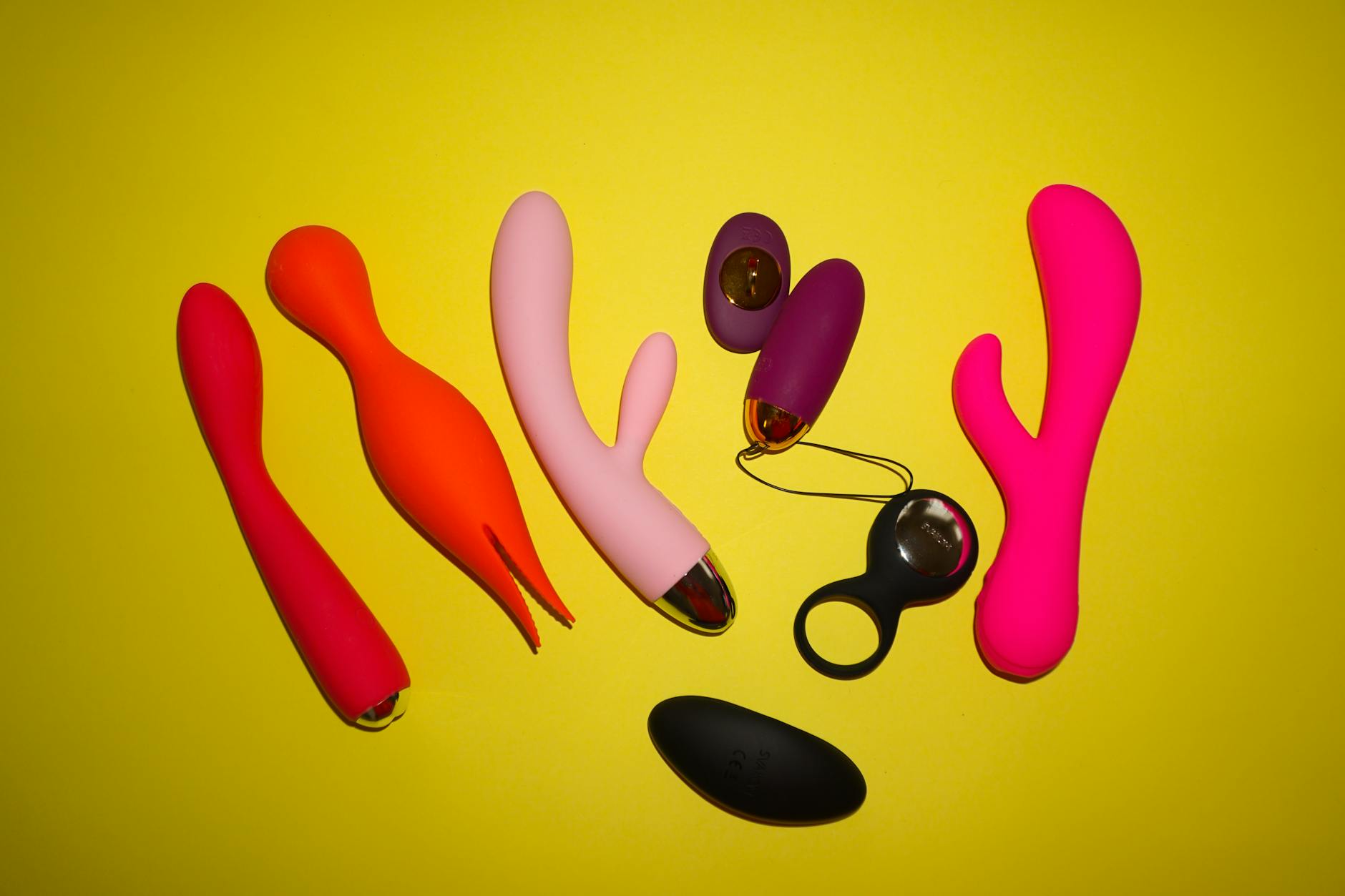
Photo by FounderTips on Pexels
Why sensation play shifts in your 40s and 50s
Sensitivity changes. Arousal takes longer. This is not dysfunction. This is just how bodies work. And honestly, clitoral vibrators handle this shift better than most alternatives.
A traditional vibrator, especially a powerful one, can feel overwhelming on tissue that's become more sensitive with age. The lemon vibrator uses suction and pulsing instead of pure vibration. This creates gentler, broader stimulation. Many people find it's more comfortable and more intense simultaneously. Which is a weird equation, but it works.
Your partner doesn't have to do less. You're just doing it differently. And different often means more interesting, not less.
The pleasure confidence piece nobody talks about
Midlife couples often feel weirdly ashamed about not having figured this out by now. Like everyone else is just vibing and you're the only ones struggling. You're not. This is universal.
But shame kills desire faster than anything. So here's the permission you need: introducing a clitoral vibrator into your midlife relationship is not admitting failure. It's admitting that you're willing to pay attention. And attention is the sexiest thing there is.
Take pleasure confidence seriously. If you need to start solo, start solo. If you need to read about how other people are using tools like the Lem vibrator, read about it. This is not cheating. This is preparation.
What happens when it actually lands
Here's what I see in sessions: couples who commit to this shift report that intimacy stops feeling like one more thing on the to-do list. It becomes something they want again. Because they're not performing. They're just feeling.
Sometimes that leads to more frequent sex. Sometimes it just means the sex that does happen feels better. Both are victories. The goal is not frequency. The goal is that you both want to be there.
And that changes everything else. When you're feeling close, you're kinder about the dishwasher. You're less resentful about who didn't call the plumber. You're not expecting one person to fix the whole relationship through sex, which is an impossible ask anyway.
This is the real work. Not the toy. The willingness to say, "I want to feel good. I want you to feel good. Let's figure this out together."
FAQ: Lemon Vibrators and Midlife Relationships
Can introducing a vibrator fix a relationship that's actually in trouble?
No. If you're fighting about real things, a lemon vibrator won't address those. But if the fighting is because you're both stressed and disconnected, pleasure can be the thing that helps you reconnect enough to actually talk. It's a context shift, not a problem-solver.
Will my partner feel threatened if I want to use a clitoral vibrator?
Possibly. Some people worry that a toy means they're not enough. But that's usually rooted in insecurity, not reality. Your job is to be clear: you want to feel good with them, not instead of them. Show them that. Use the vibrator together. Invite them into the pleasure. That changes the whole conversation.
How often should we be using a lemon vibrator as a couple?
There's no right answer. Once a month. Once a week. It doesn't matter. The point is that you're making space for it at all. Frequency matters less than consistency and presence. Pick a rhythm that feels sustainable and actually happens.
What if we don't like it when we try?
That's fine. Not every tool works for every person. But don't stop at one try. Bodies are weird and contextual. Something that feels awkward at first might feel great when you're both more relaxed. Give it at least three times before deciding.
Is it weird to introduce this conversation if we haven't had sex in a while?
Not weird. Actually natural. Long dry spells are the biggest sign that something's broken in how you're approaching pleasure together. A lemon vibrator is a way to press reset without pretending nothing happened. You're saying, "I want to start over. Not with judgment, just with intention."
Should I research what type of clitoral vibrator to get together or alone first?
Depends on your partner. Some couples enjoy the research phase as foreplay. Others find it awkward. Start by understanding your own body first. Then bring that knowledge to your partner. You'll have more confidence in what you're suggesting.
The real win
Midlife is not the end of good sex. It's usually the beginning of honest sex. You know your body better. You know what you actually want instead of what you think you should want. You care less about performance and more about connection.
The lemon clitoral vibrators, the Lem and other quality tools from Hello Nancy, are just permission to act on that shift. They're saying, "Yes, this matters. Yes, you deserve to feel good. Yes, let's rebuild this together."
That's not a toy fix. That's a relationship investment. And in midlife, when so much feels like loss, that might be the most important thing you can do.